Water-based Inks
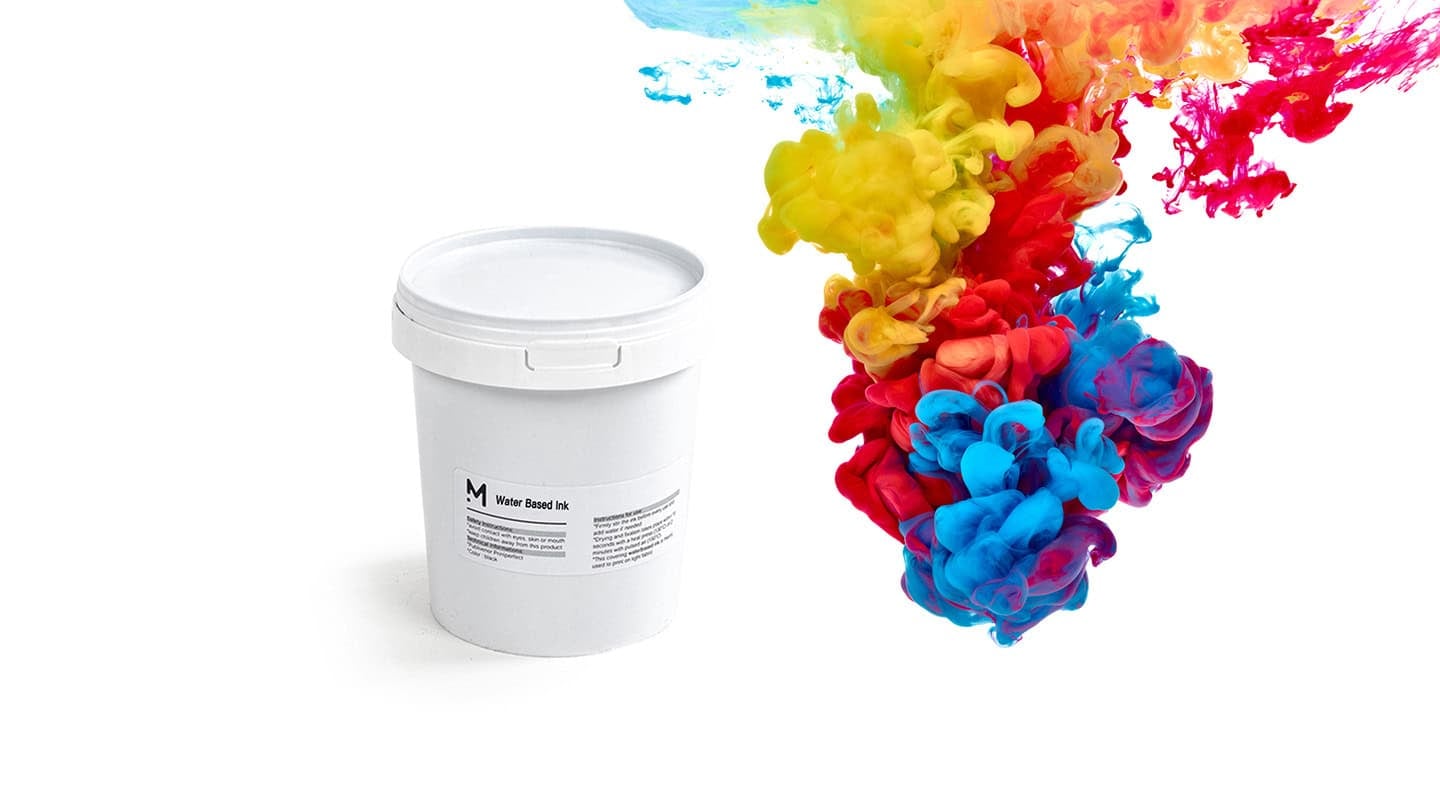
Water-based inks are special inks used in packaging printing that mainly contain water instead of harsh chemicals. They are an eco-friendly alternative to traditional inks that rely heavily on solvents.
But why does this matter?
Regular inks can release chemicals into the air and harm the environment. In contrast, water-based inks are safer, cleaner, and better for your health—and the planet.
Here’s why people love them:
- Eco-Friendly: They produce fewer harmful emissions, reducing pollution.
- Safe: Contain fewer harmful chemicals, making them safer for workers and consumers.
- Bright and Clear Colors: Offer vibrant, high-quality prints that look great on packaging.
- Versatile: Can be used on various packaging materials, including paper, cardboard, and even certain plastics.
Simply put, choosing water-based inks is choosing to care about the environment and people’s health. It’s a smart and responsible way to print packaging that looks good and does good.
Best Used With
- Details
- Examples
Overview
Water-based inks use water as the primary solvent carrier rather than petroleum-based chemicals, dramatically reducing volatile organic compound (VOC) emissions while meeting stringent food-safety requirements for direct and indirect food contact packaging. This environmentally responsible ink technology has become the industry standard for flexible packaging, labels, and applications where human health, environmental impact, and regulatory compliance are paramount considerations.
The water-based formulation eliminates the harsh chemical odors and workplace hazards associated with solvent-based inks, creating safer production environments while reducing air pollution and greenhouse gas emissions. Modern water-based ink chemistry has evolved to deliver excellent adhesion across diverse substrates including paper, film, and coated materials, with color vibrancy and durability that rivals traditional solvent systems. Advanced formulations now support high-speed flexographic printing, enabling efficient production without sacrificing environmental benefits.
Water-based inks particularly excel in food packaging applications where migration concerns and regulatory requirements favor non-toxic, low-odor solutions. The technology’s compatibility with recyclable and compostable substrates supports end-of-life sustainability goals while maintaining the print quality essential for brand presentation and consumer information. As regulations tighten around VOC emissions and food-contact materials, water-based inks are transitioning from specialty applications to mainstream packaging production, offering brands a pathway to reduce environmental impact while meeting performance and safety requirements.







I am a heading
I am a heading
| Column |
|---|