UV Printing
What is UV Printing?
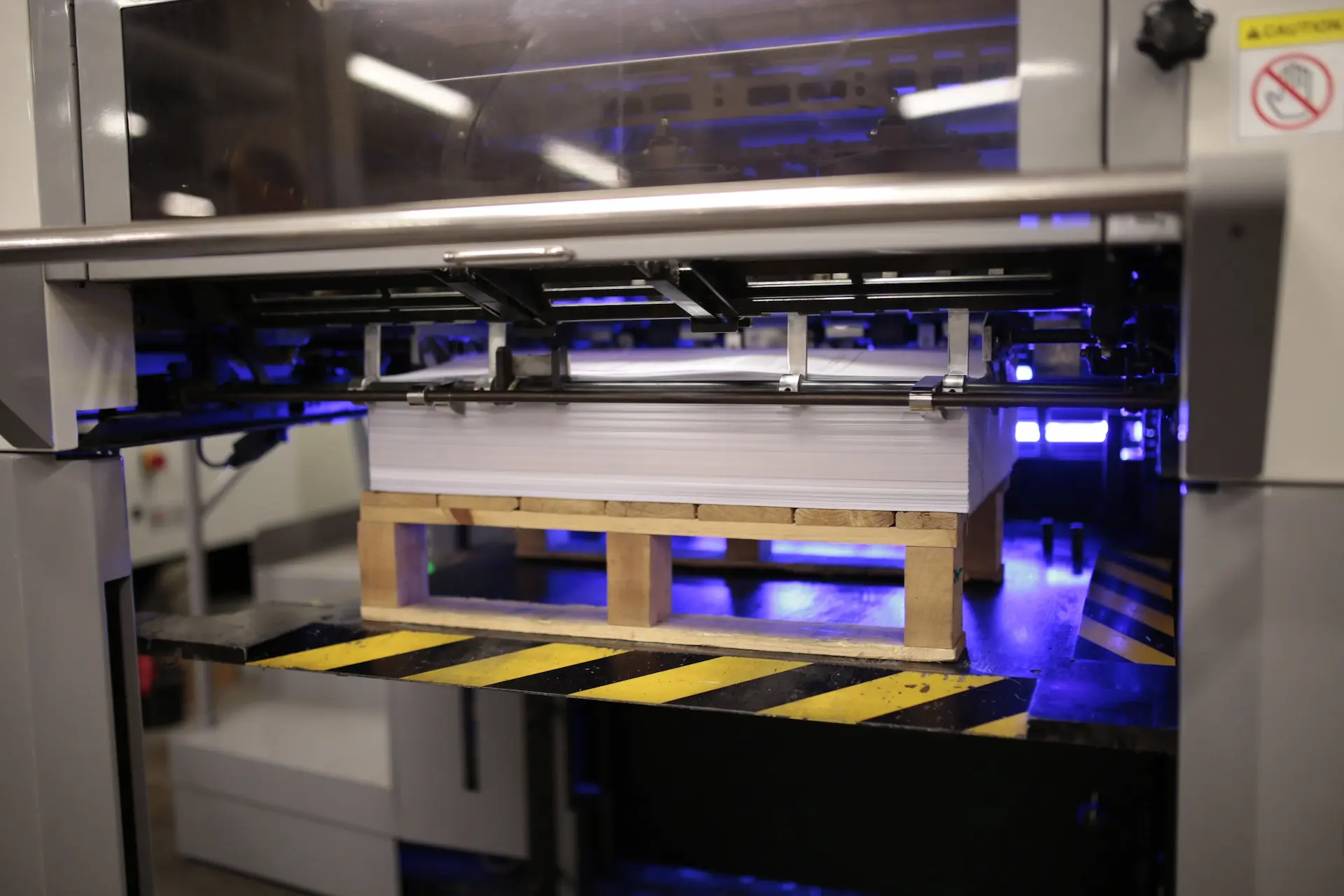
UV printing is a modern way of printing that dries ink instantly using ultraviolet (UV) light. This means no waiting around for the ink to dry—your prints are ready in seconds!
Unlike traditional inks that dry by evaporation, UV inks become solid when exposed to UV rays. The ink stays vibrant and clear, making colors pop and images sharp.
But why does this matter to you?
- Quicker Turnaround: Your job gets done faster since there’s no drying time.
- Sharper Images & Brighter Colors: Your packaging looks more attractive and professional.
- Durable Finish: UV printing resists scratches, scuffs, and fading, so your packaging stays looking great longer.
- Environmentally Friendly: UV inks contain fewer solvents, making the printing process better for the planet.
Imagine walking down a store aisle. Your eyes are drawn to vivid, glossy packaging that stands out from the crowd—this is what UV printing delivers.
In short: UV printing gives you eye-catching, durable, and eco-friendly packaging that instantly grabs attention on store shelves.
Best Used With
- Details
- Examples
Overview
UV printing employs specialized inks that cure instantly when exposed to ultraviolet light, enabling printing on non-porous surfaces, delivering exceptional durability, and supporting unique special effects impossible with conventional inks. This advanced printing technology has become essential for applications requiring superior scratch resistance, chemical stability, or printing on challenging substrates like plastics, metals, and coated papers that reject traditional inks.
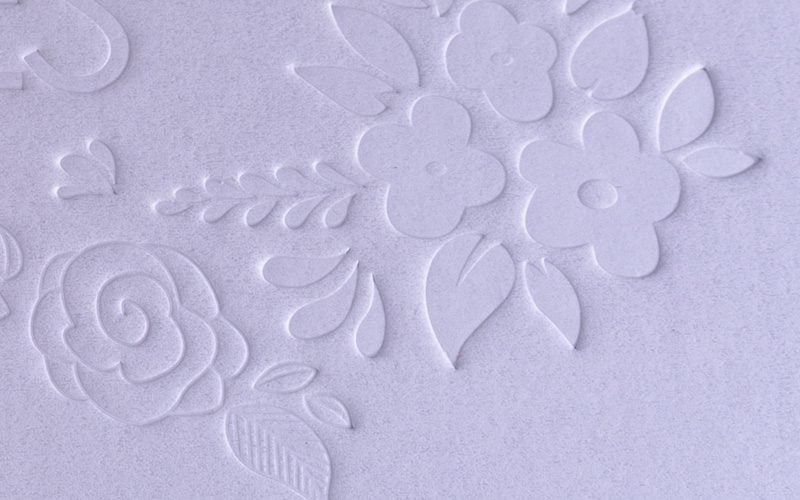
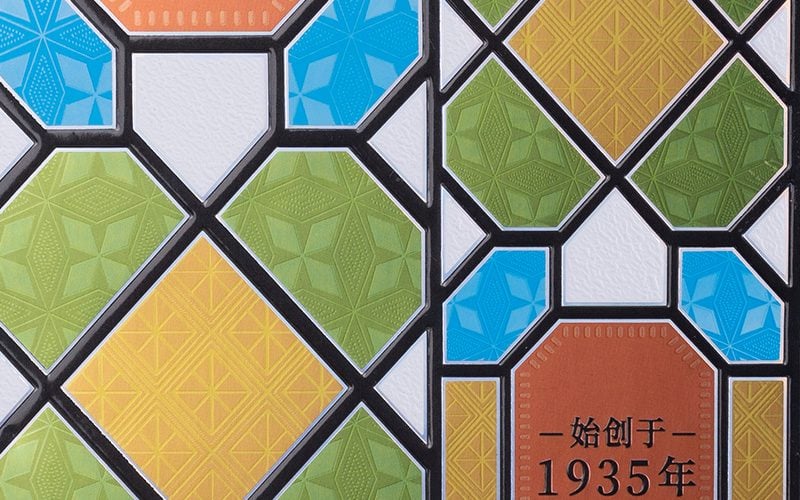
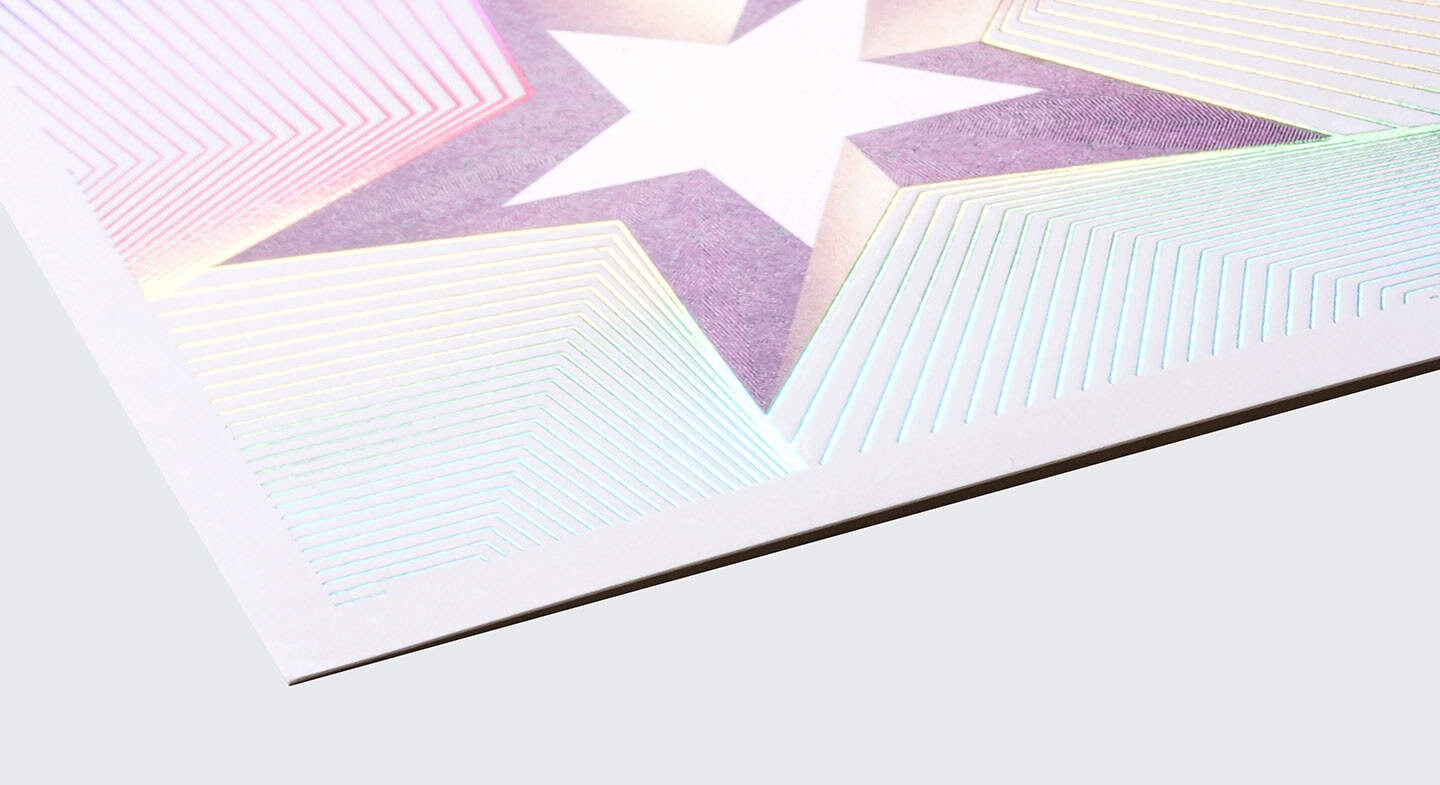
The instant-curing characteristic of UV inks eliminates drying time and prevents ink absorption into substrates, resulting in vibrant colors with exceptional opacity and surface brilliance. This controlled curing enables precise dot placement and sharp detail reproduction while preventing color bleeding or smudging. UV printing also supports raised textures and dimensional effects through multiple ink layers, creating tactile elements that enhance premium positioning and sensory engagement.
UV printing’s environmental profile has improved significantly with LED-UV technology, which reduces energy consumption by up to 80% compared to traditional UV systems while eliminating ozone emissions and heat-related substrate distortion. The technology’s versatility across substrate types—from rigid plastics to flexible films to specialty papers—makes it invaluable for brands requiring consistent print quality across diverse packaging formats. Modern UV inks increasingly incorporate bio-based components and low-migration formulations that meet stringent food-safety requirements while maintaining the performance characteristics that make UV printing essential for demanding packaging applications.
I am a heading
I am a heading
| Column |
|---|