Oil Based Inks
Oil-based inks are traditional printing inks made primarily from petroleum-based oils. For many years, these inks have been widely used in packaging printing because they produce vivid, durable prints.
But what’s the catch?
Oil-based inks rely heavily on petroleum products, which means they’re not very eco-friendly compared to water-based or vegetable-based alternatives. They can also emit strong odors and harmful chemicals into the environment.
Here’s a quick breakdown of oil-based inks:
- Strong and Durable: They provide rich, glossy colors and long-lasting prints.
- Slow-Drying: They typically dry slower than water-based inks, requiring longer production times.
- Less Eco-Friendly: Made from petroleum-based ingredients, they’re less sustainable and harder to recycle.
- Higher VOCs: They emit higher levels of Volatile Organic Compounds (VOCs), which can impact air quality and worker health.
In simple terms, while oil-based inks produce impressive visual results, they’re less kind to the environment and health than newer ink technologies. Today, many brands are shifting towards eco-friendly options like water-based and vegetable-based inks to promote sustainability and consumer safety.
Best Used With
- Details
- Examples
Overview
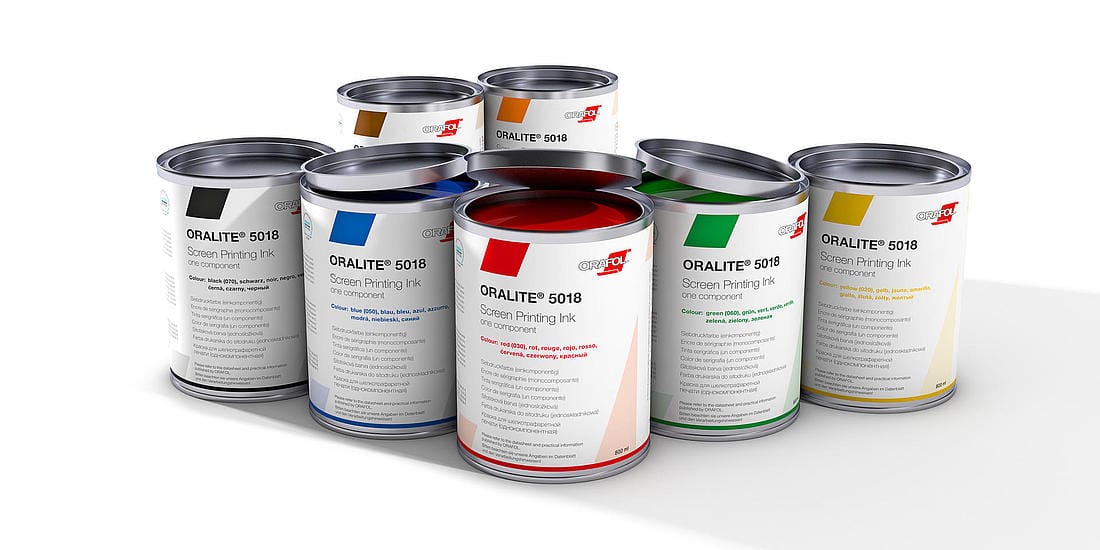
Oil-based inks utilize petroleum-derived mineral oils as the primary vehicle, delivering exceptional color saturation, superior adhesion to non-porous surfaces, and proven durability that has made them the workhorse of commercial printing for decades. While facing increasing competition from water-based and UV alternatives, oil-based inks remain essential for applications requiring maximum color density, extended outdoor durability, or printing on challenging substrates where other ink systems struggle to perform.
The oil-based formulation provides excellent flow characteristics and ink transfer properties that enable consistent, high-quality reproduction across long production runs. The slower drying time allows for better ink leveling and color blending, producing smooth gradients and solid coverage without the streaking or banding that can occur with faster-drying systems. This extended open time also provides flexibility in production scheduling and reduces waste from dried ink in printing systems during pauses or changeovers.
Oil-based inks deliver unmatched performance for specific applications including metallic and fluorescent colors, outdoor signage, and industrial packaging requiring chemical resistance or extreme durability. However, the petroleum base and VOC content present environmental and regulatory challenges that are driving gradual transition toward alternative technologies. Modern oil-based ink formulations increasingly incorporate bio-based components and reduced VOC levels to address sustainability concerns while maintaining the performance characteristics that make them indispensable for demanding applications where alternative ink systems cannot yet match their durability and versatility.








I am a heading
I am a heading
| Column |
|---|