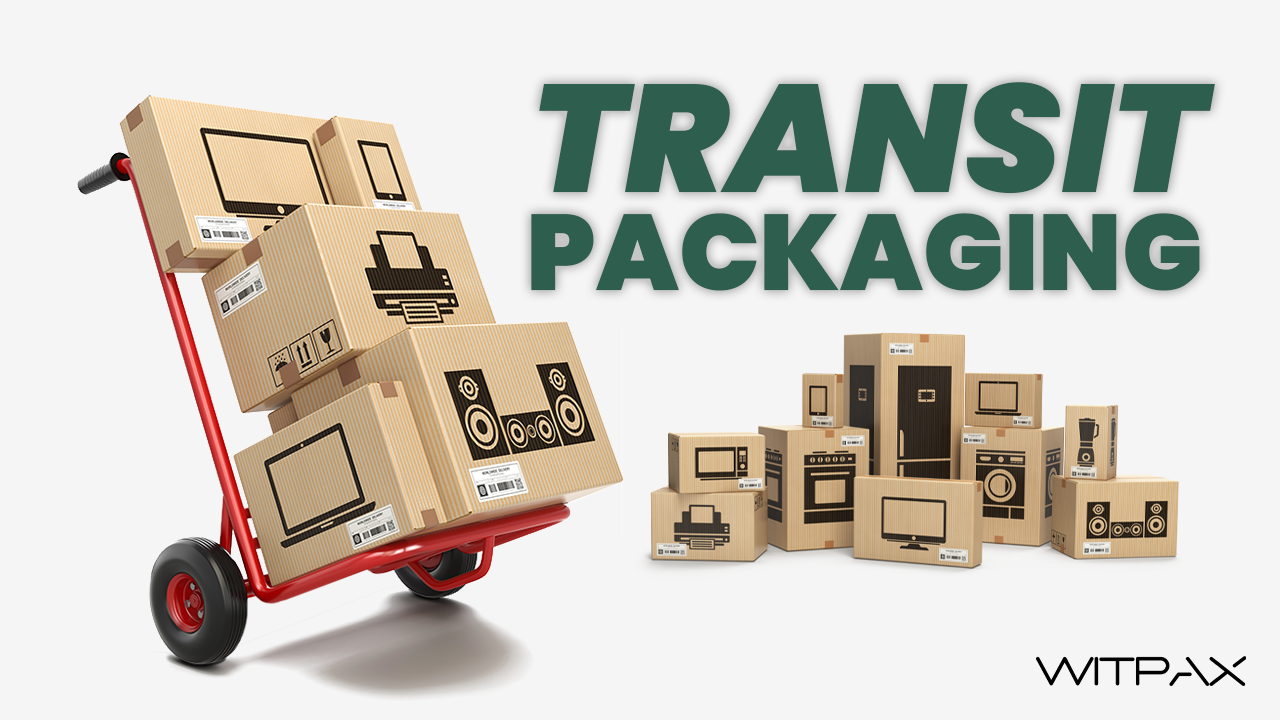
Transit packaging is the protective packaging used to safely handle, store, and move goods in bulk during distribution and shipping. It is mostly used in business-to-business operations to avoid damage and loss. But it also reaches the final customer, as in e-commerce shipping or large home deliveries.
Transit packaging, or tertiary packaging, has a special role. It differs from primary and secondary packaging because its purpose is different. Primary packaging holds the product. Secondary packaging groups several products for retail or display. Transit packaging protects large shipments when they are stored, handled, and transported. Transit packaging’s main purpose is to reduce damage and make sure goods arrive safely and in perfect condition.
This guide covers the four main types of transit packaging: pallets and crates, corrugated boxes, protective wraps, and dunnage and cushioning materials, and explains returnable transit packaging (RTP) as a sustainable option. It highlights key symbols for safe handling and compliance. It shares smart strategies for packing different goods, such as fragile items and liquids. Plus, it covers important transit test standards that every business should know.
4 Common Types of Transit Packaging
Transit packaging comes in different forms depending on the type of goods and shipping needs. Here are the four commonly used types:
- Pallets and crates are used to hold and move large shipments securely.
- Corrugated boxes: lightweight, strong boxes for grouping products.
- Protective wraps, like bubble wrap and shrink wrap, cushion and protect items.
- Dunnage and cushioning materials protect goods inside packages.
Each type serves a specific purpose to protect shipments during transit.
- Pallets& Crates
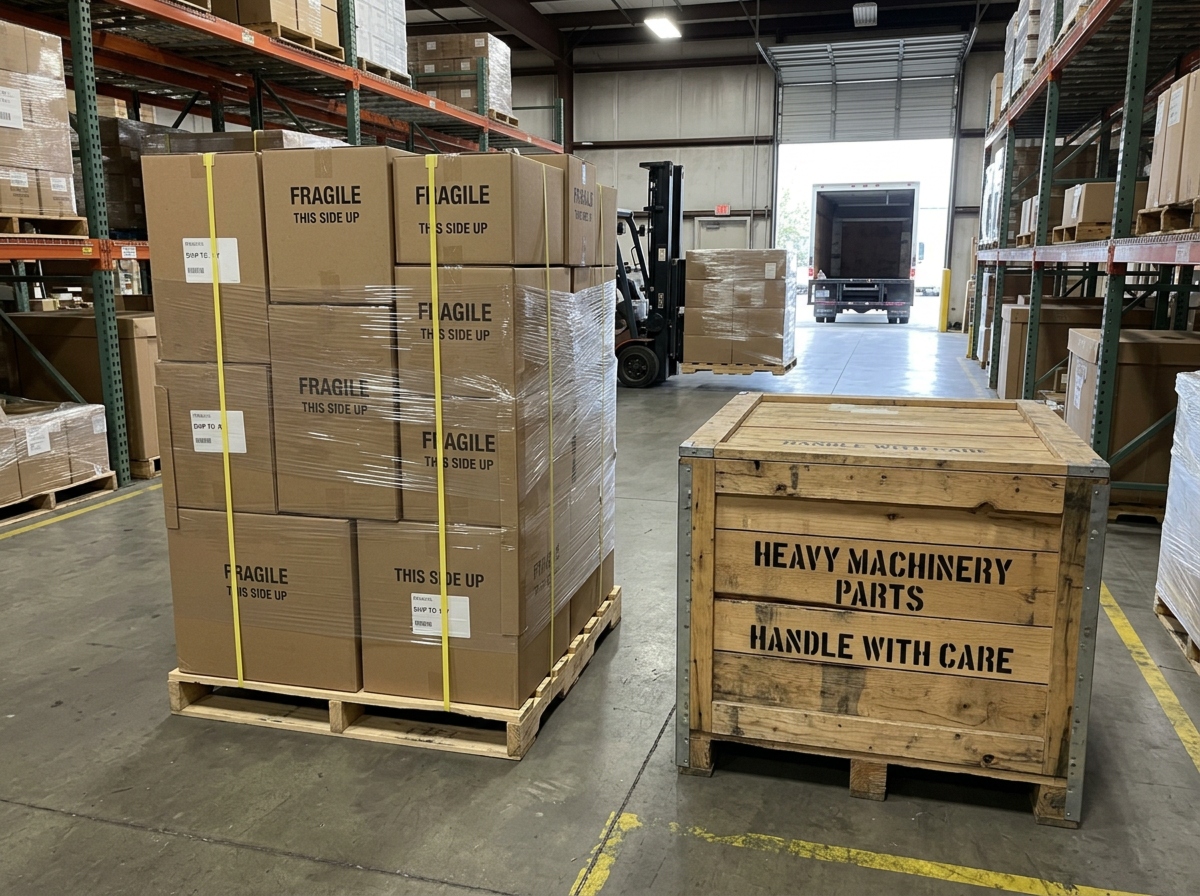
Pallets and crates are strong containers used to handle and ship many items at once. A pallet is a flat platform. It’s often made of wood, plastic, or metal. Pallets help stack and move goods easily with forklifts. A crate is a box, usually made of wood. It can fully or partly hold items to keep them safe.
Pallets stack and organize products safely. Crates protect fragile or valuable items during transport. Industries often use pallets for heavy loads like machinery and crates for breakable items like glassware.
- Corrugated boxes

Corrugated boxes are strong yet lightweight containers made of paperboard with a wavy (fluted) middle layer. This unique design gives them sturdy protection without weighing down shipments.
These boxes keep items safe and secure. They protect the contents from damage and add strength for stacking in warehouses. They also display branding and identification. Plus, they are cost-effective, especially when recycled.
You will see corrugated boxes in e-commerce parcels, consumer goods shipments, and for general storage. More than 95% of all products in the U.S. are shipped in corrugated boxes, showing just how widely they are used.
- Protective wraps
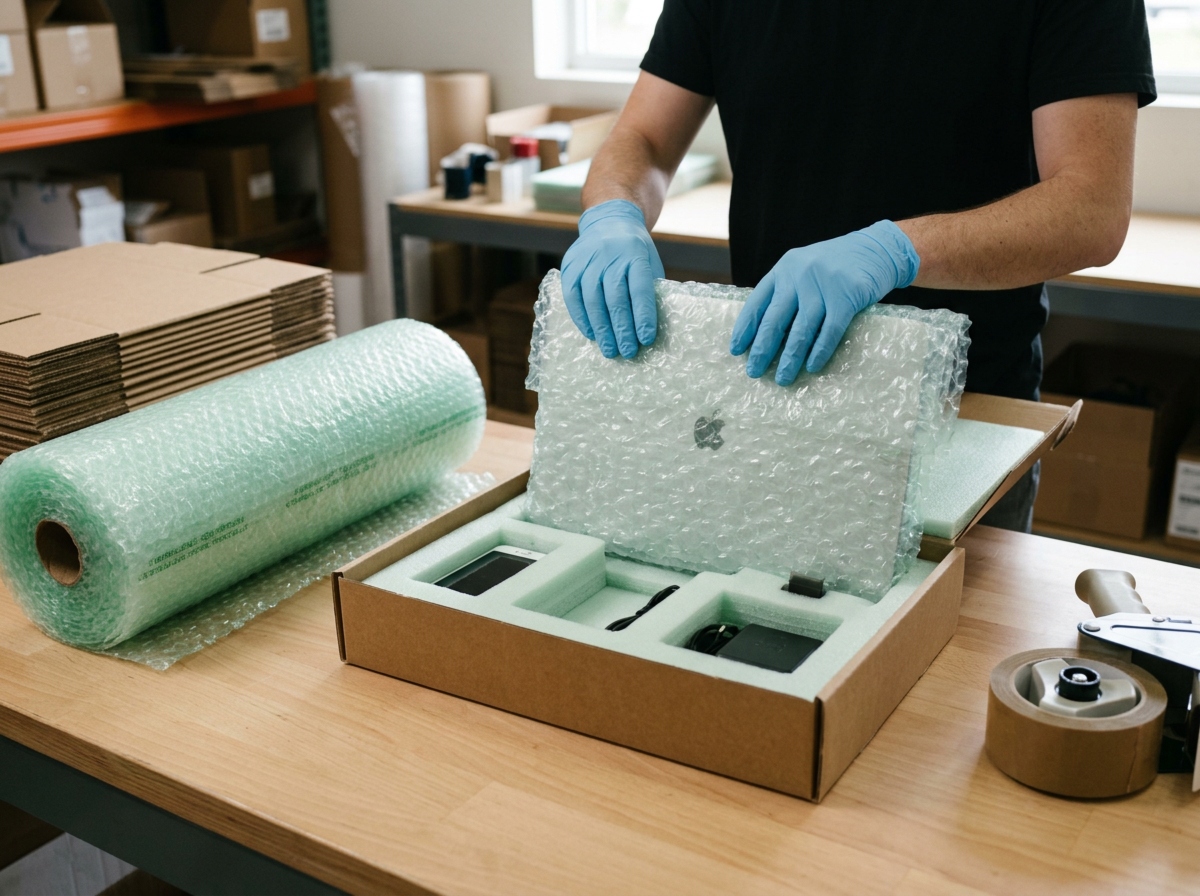
Protective wraps are flexible materials such as bubble wrap, foam sheets, and stretch film. These materials protect products during shipping. They cover surfaces to stop scratches. They also absorb shock from bumps and keep items dry. Plus, they hold products securely in boxes. Protective wraps can also fill empty spaces to prevent items from shifting. They are commonly used for packing fragile electronics and glass items.
A 2023 Statista report shows that bubble wrap packaging leads to a 78% lower return rate from shipping damage than other materials. Many businesses now use compostable or recyclable wraps to cut waste. Options include paper bubble wrap, biodegradable air pillows, and recycled kraft paper.
- Dunnage and cushioning materials
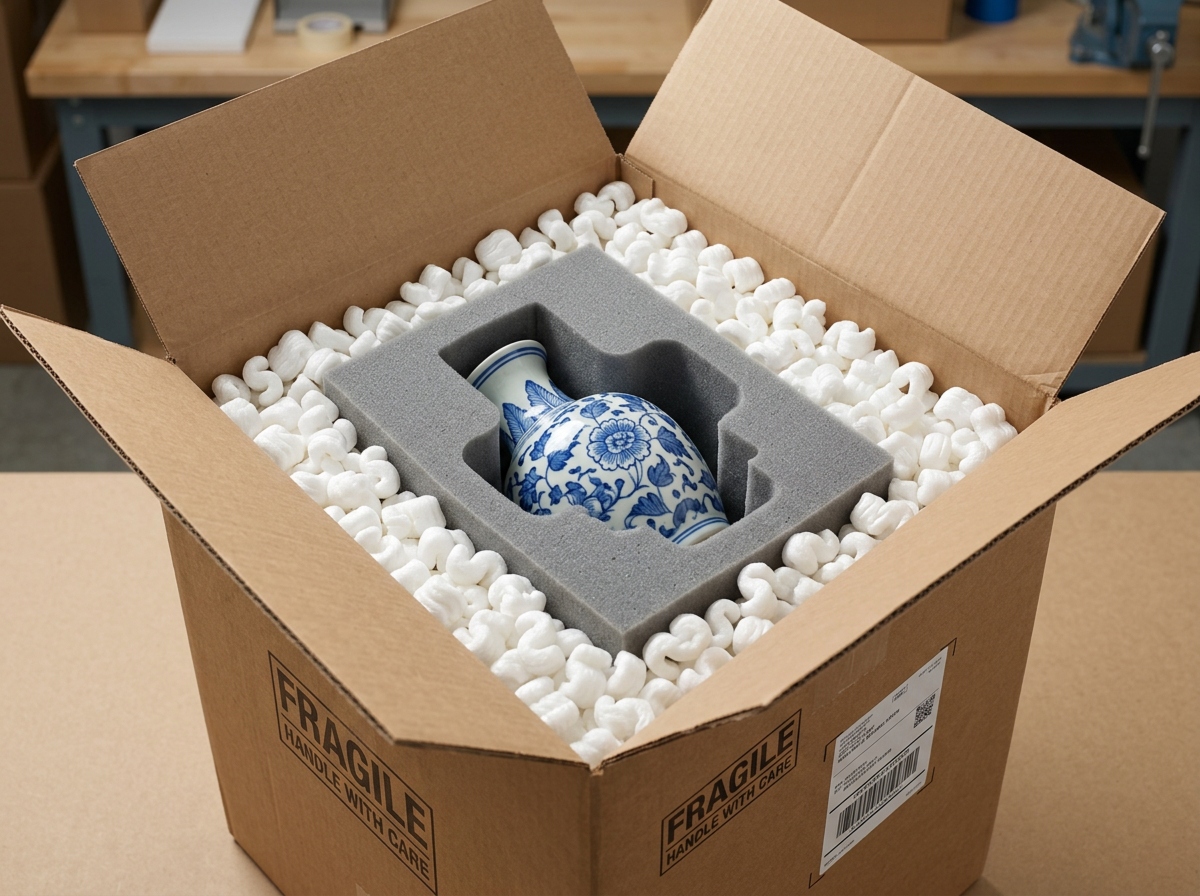
Dunnage and cushioning materials are packing fillers. They go inside boxes or crates. Their job is to protect products during shipping. Dunnage fills empty spaces to stop movement. Cushioning absorbs shocks from bumps or drops. These materials help keep items secure, spread weight evenly, and provide thermal insulation. This protects sensitive goods. Examples are foam inserts for electronics, airbags for fragile cargo, and packing peanuts that fill box gaps.
Returnable Transit Packaging (RTP)
Returnable Transit Packaging (RTP) is reusable packaging. It is made for many trips between suppliers and customers. RTP containers, pallets, and crates are not thrown away after one use. Instead, they are returned, cleaned, and reused. This makes them a green and budget-friendly choice. This system helps companies cut waste and save on packaging costs. It also boosts supply chain efficiency.
Examples of RTP solutions
- Plastic crates and totes are common in the food and beverage industry. They help transport fresh produce and packaged goods safely.
- Intermediate Bulk Containers (IBCs) are big, reusable containers. They hold liquids or granulated materials, like chemicals or food ingredients.
- Specialized reusable pallets are tough pallets used in industrial shipping. They handle heavy or bulky items and can be used many times.
Returnable transit packaging has many benefits. First, it cuts down on single-use waste. Second, it reduces packaging costs because it can be used many times. Lastly, it improves a company’s brand image by showing a commitment to sustainability.
Key Symbols Used in Transit Packaging
Symbols on transit packaging are crucial. They help ensure products are handled safely during shipping. These symbols are well-known, so they break language barriers. They offer clear instructions to workers everywhere. This helps reduce mistakes, protect goods, and meet safety regulations.
Key transit packaging symbols can be grouped into three main categories: handling instructions, regulatory and hazard labels, and tracking and identification codes.
- Handling instructions
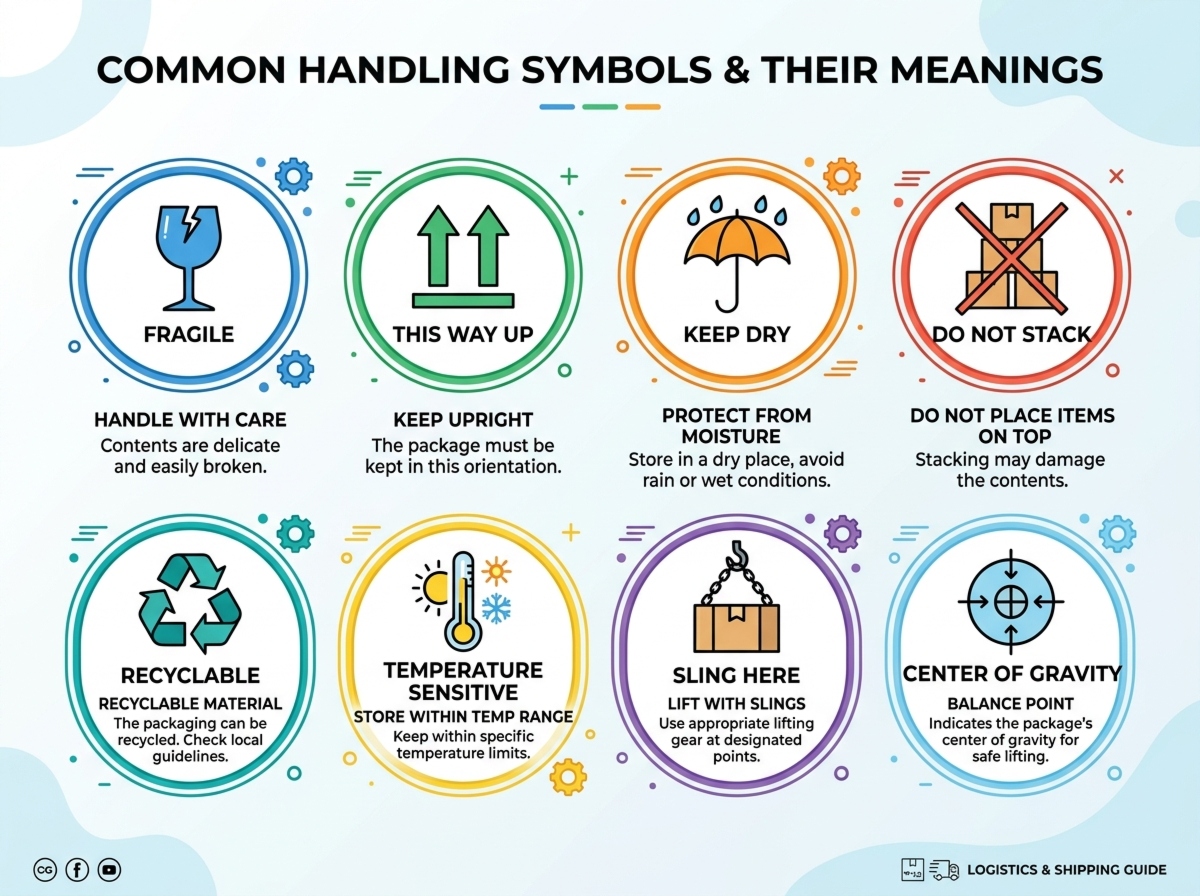
Handling instructions are symbols on shipping packages. They show how to move, store, and care for a shipment safely. These symbols guide workers on how to handle packages. They help prevent damage during loading, transport, and unloading.
Labels and symbols act as silent supervisors throughout the supply chain. In 2023, logistics data shows that placing “Fragile” markers on all sides cuts rough handling by 41%. Simple, clear symbols can reduce damage risk. This saves companies money on returns and replacements and keeps customers happy.
Examples of common handling instructions include:
- Fragile: Indicates delicate contents that need gentle handling.
- This Side Up: Shows the correct orientation to prevent spills or damage.
- Do Not Stack: Alert handlers not to place anything on top of the packages.
- Keep Dry: Warns to protect the package from moisture.
These icons cut down on errors, stop product damage, and make operations smoother. They do this without needing written instructions.
- Regulatory and hazard labels
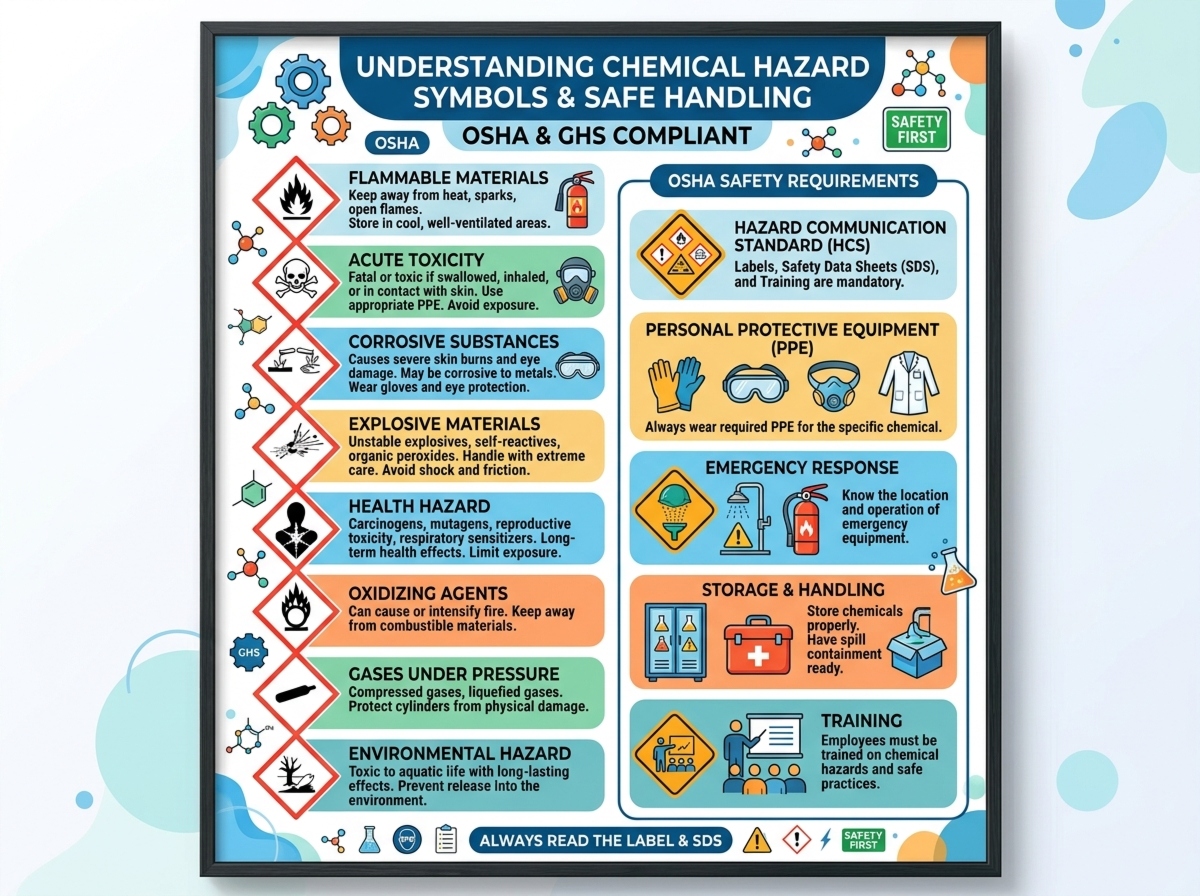
Regulatory and hazard labels are symbols and warnings on transit packaging. They indicate if goods are dangerous, restricted, or must follow strict shipping rules. These labels are required by law. They protect workers, the public, and the environment by offering clear safety information.
They are crucial in shipping. They make sure everyone handles, stores, and transports hazardous materials safely and correctly. This helps to prevent accidents, chemical leaks, and legal issues.
OSHA (Occupational Safety and Health Administration) and GHS (Globally Harmonized System) labels show if a package contains chemicals, flammable materials, or toxic substances. These symbols alert handlers to wear protective gear, avoid sparks, or follow special disposal rules.
- Tracking and identification codes
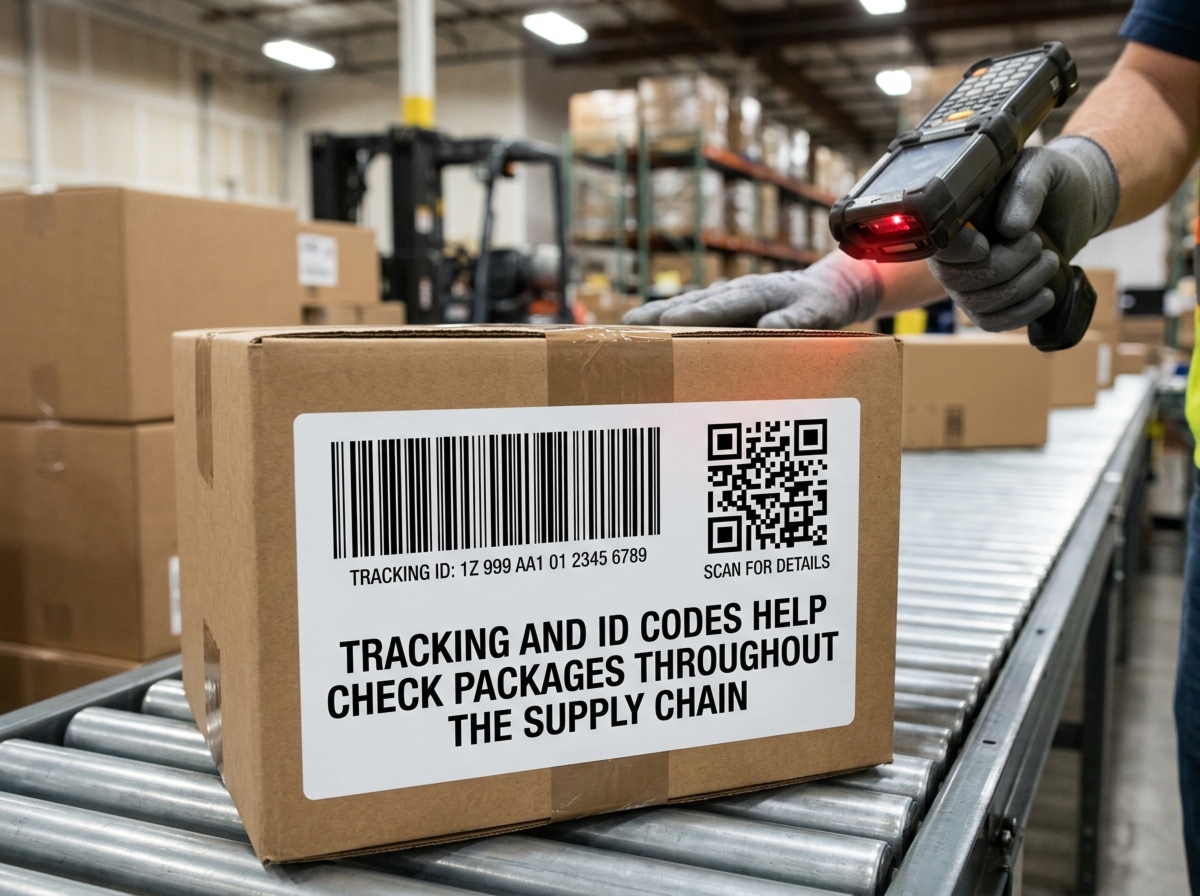
Tracking and identification codes are labels on shipping packages. They help businesses check shipments from beginning to end. These codes store important details like product type, origin, destination, and handling instructions.
They are important because they help scan and update shipment information easily. This reduces errors, saves time, and improves security. Also, during shipping, tracking codes allow companies and customers to see where a package is in real time and estimate the delivery time.
Common examples are barcodes and QR codes. Barcodes store product and shipping data for quick scanning. QR codes hold more information. They can link to online tracking pages or extra handling instructions.
How to choose transit packaging for different types of products?
Picking the right transit packaging is key. It helps keep products safe, lowers damage, and saves money on shipping and storage. Not all products need the same protection, so it is important to classify them based on their unique risks and handling needs.
Products are often sorted into categories such as fragile items, electronics, liquids, and heavy-duty goods. Each group needs special packaging materials, inner protection, and labels. This helps them manage rough transport, stacking, and changes in the environment.
- Fragile items
Fragile items are things like glassware, ceramics, porcelain, and delicate decorations. Wrap each fragile item separately with bubble wrap or foam sheets. This cushions them well during packing. Fill empty spaces in the box with packing peanuts, air pillows, or foam blocks to stop items from moving. Seal the box tightly. Add clear labels like “Fragile” and “This Side Up.” These reminders help handlers be careful during shipping.
- Electronics
Electronics, such as smartphones, laptops, and tablets, are sensitive to shocks, moisture, and static electricity. The best materials for electronics are pink anti-static bubble wrap, conductive foam, or static shielding bags. This helps prevent static damage. Secure the device inside the box with custom foam inserts to stop it from moving around.
To stay safe, put the electronic item in a waterproof bag. You can also use a moisture-resistant box. This protects against humidity and spills during shipping.
- Liquids
Liquids are things like bottled drinks, cleaning solutions, shampoos, and cooking oils. They can spill or leak if not packed well. Always use strong, sealed containers to keep the liquids secure. Wrap each container with absorbent materials like tissue paper or cloth to soak up any small leaks.
For extra safety, place the sealed bottles or jars in leak-proof trays or plastic liners inside the package. This helps prevent messes and protects other items in the shipment.
- Heavy-duty goods
Heavy-duty goods are items like machinery parts, industrial equipment, and large metal tools. They need strong packaging to prevent damage. To secure these heavy items during shipping, use sturdy wooden crates or metal frames.
Add foam padding or protective blocks to edges and corners. This helps stop breakage or dents. Mark the package with symbols to show the center of gravity. This helps forklifts and cranes lift and balance it safely.
Transit testing standards
Transit test standards are official tests. They check if the packaging can withstand real-world shipping challenges. These challenges include drops, bumps, stacking, and vibration. These tests help companies ensure their packaging keeps products safe during transport and storage.
Common test standards include:
- ISTA Tests (International Safe Transit Association)
ISTA tests help companies see if their boxes, crates, or pallets can handle real shipping conditions. This includes drops, vibrations, and rough handling. Tests like ISTA 1A or ISTA 3A are popular for packages sent by courier or through online stores. Passing these tests proves that the packaging is strong enough to protect what is inside.
- ASTM International
ASTM International creates trusted test methods for many industries, including packaging. For transit packaging, ASTM D4169 is a key standard. It shows how to test packages for stacking strength, drops, compression, and vibration. The tests depend on the shipping method: air, truck, or ship. This helps prevent damage during long trips.
- ISO 4180
ISO 4180 is a global guideline for testing complete shipping units, like packed boxes on pallets. It checks if the packaging can handle storage and transport without falling apart or letting goods get damaged. It is widely used by companies that ship products internationally to ensure consistent quality.
- MIL-STD (Military Standards)
MIL-STD is a set of official rules and test methods created by the U.S. Department of Defense. These standards ensure that materials, products, and packaging for military use are strong. They can withstand tough conditions like rough handling, long storage, bad weather, and combat transport.
MIL-STD-2073 is one of the most common standards. It gives detailed instructions on how to pack, seal, label, and test packages to protect military equipment and supplies. Many industries use MIL-STD guidelines for valuable or sensitive equipment. These guidelines ensure strong, reliable protection.
FAQ
What are the three types of packaging?
The three types of packaging are primary, secondary, and tertiary packaging. These three packaging levels work together to keep products safe from the factory to the final customer. Primary packaging is the first layer of packaging that touches the product directly. It holds and protects the item from damage, dirt, or contamination. This packaging often displays key details. It includes ingredients, usage instructions, and branding to attract buyers. Examples include a soda can, a chocolate bar wrapper, or a bottle of shampoo.
Secondary packaging groups many primary packages into one unit. Its main purpose is to make it easier to handle, store, and display products in stores or warehouses. It offers extra protection while being transported. It also displays branding and product details for better retail presentation. For example, a cardboard box that holds twelve cans of soda or a carton containing several tubes of toothpaste is secondary packaging.
Tertiary packaging, also known as transit packaging, is the outermost layer used for bulk shipping and storage. It holds together many secondary packages so they can be safely moved and stacked during transport. Tertiary packaging keeps products safe from damage. It also makes loading and unloading simpler. Plus, it lowers the chance of loss when goods travel far. Common
Examples include shrink-wrapped pallets of boxes, wooden crates filled with cartons, and large corrugated shipping boxes on a pallet.
What is transit test packaging?
Transit test packaging is designed to protect goods during transport and handling. It undergoes tests that mimic real shipping risks. These include drops, vibrations, stacking, and climate changes.
These tests prove that the packaging can keep products safe until they reach the customer. Common Transit Testing Standards include the following:
- ISTA (International Safe Transit Association)
- ASTM International
- ISO (International Organization for Standardization)
- MIL-STD (Military Standards)