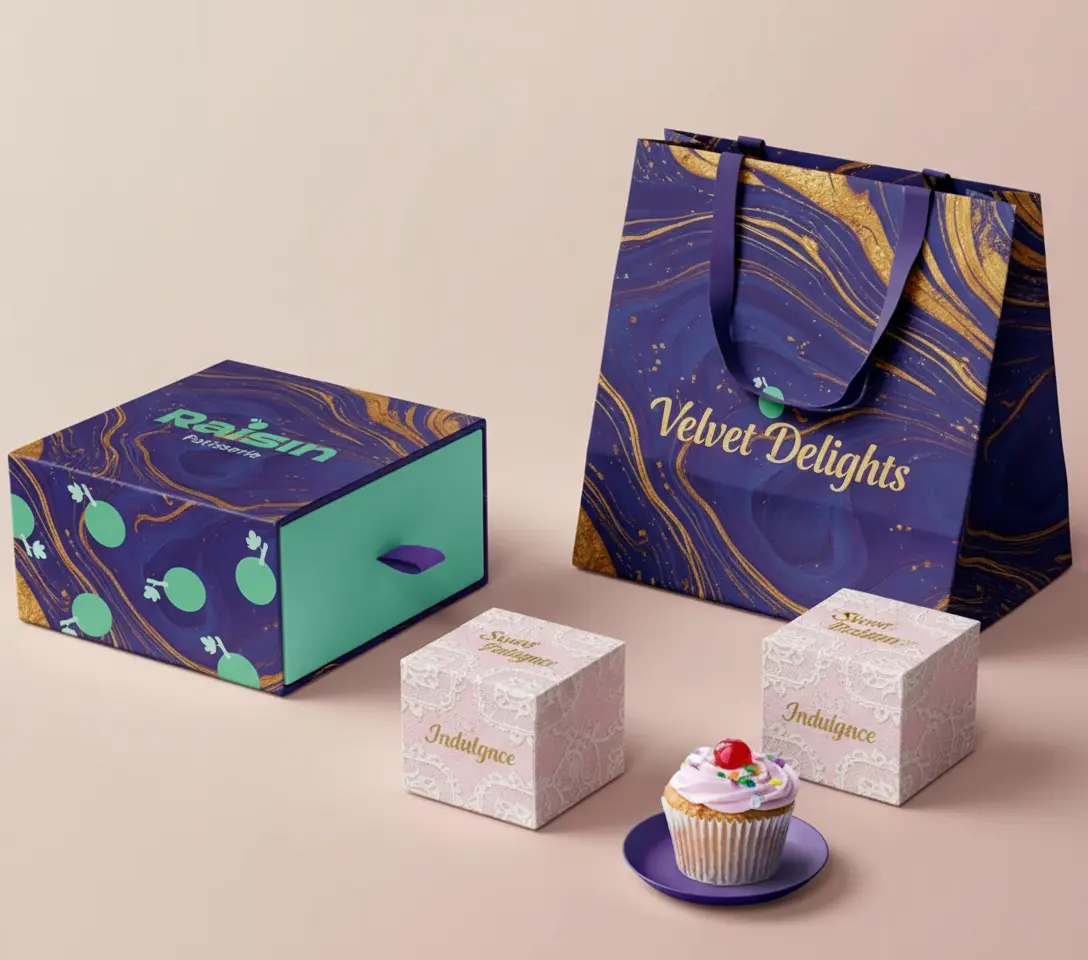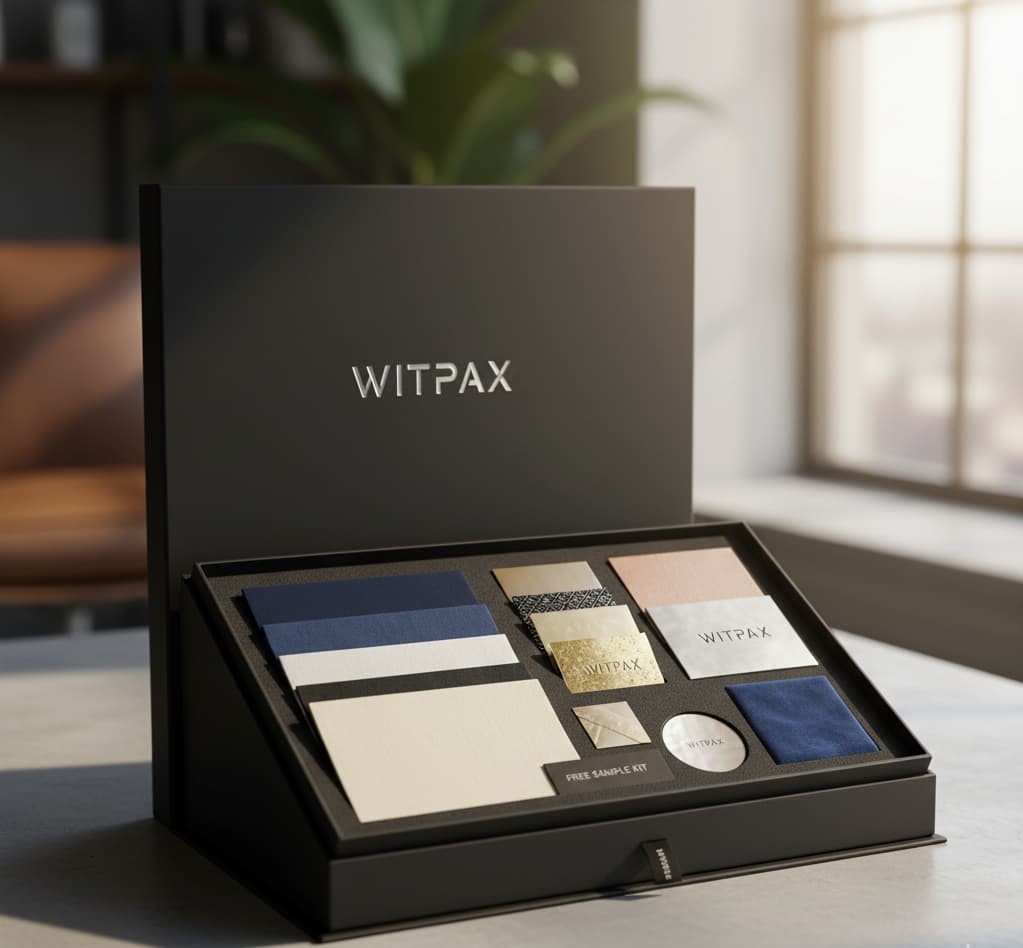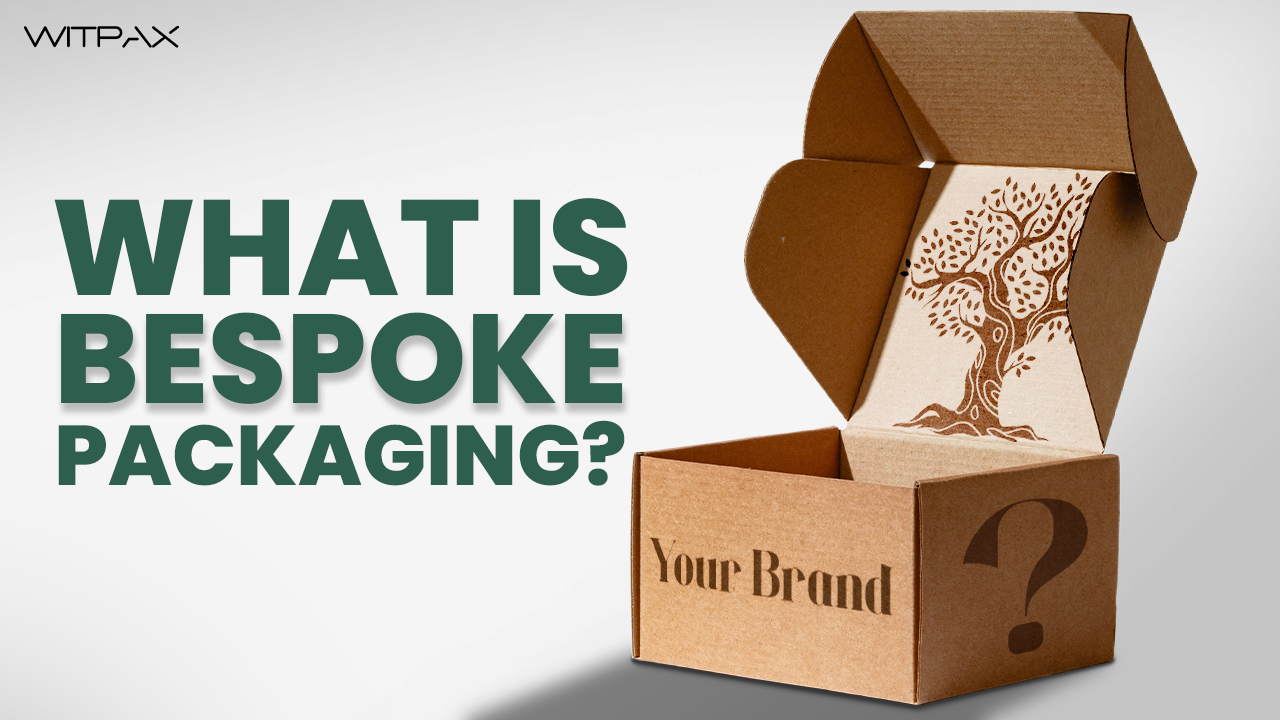
Bespoke packaging is a custom-made packaging. It matches a brand, fits a product, and improves customer experience. It offers five to eight benefits, including brand recognition, product protection, enhanced promotional impact, increased product value, and consideration of sustainability.
Bespoke packaging has three types such as boxes, bags, inserts, and trays. It is commonly used in luxury products, industrial products, and the food sector.
The Benefits of bespoke packaging
Bespoke packaging is popular because of its many benefits. Here are five:
- Building brand identity- helps a brand stand out. It is an important part in marketing and brand building.
- Protecting products- designed to fit a product reduces damage during delivery.
- Enhancing promotional impact- consumers are encouraged to share unboxing videos.
- Increasing product value- shaping and enhancing how customers understand the product.
- Considering sustainability – made from recycled paper and plant-based materials, reducing environmental impact.
Each benefit plays a unique role for the product’s appeal and consumer needs.
- Building brand identity
Bespoke packaging strengthens brand identity. It is through custom logos, distinctive brand colors, and unique printed graphic designs. This helps brands become recognizable and easy to remember.
- Protecting products
It is custom-made to fit a product well. The product is secured, avoiding movements during shipping. This packaging keeps items from having cracks, scratches, and reduces damaged returns.
- Enhancing promotional impact
Bespoke packaging is unique and visually appealing. This encourages customers to share their unboxing videos on social media platforms. This way, customers also earn incentives and rewards.
- Increasing product value
This type of packaging shows a premium and luxury touch. It increases how customers feel and experience the product overall. This packaging is recyclable making it feel worth keeping and more valuable.
- Considering sustainability
Bespoke packaging is made from recycled paper and plant-based materials. It demonstrates commitment to sustainability and ethical practices. It can be reused, extending its life cycle instead of throwing it straight into the bin.
It helps the environment in different ways. It comes from suppliers who follow fair labor practices.
7 Common Types of Bespoke Packaging
There are 7 common types of bespoke packaging, each has a different role. Here are the most common types, and their key features.
- Rigid boxes
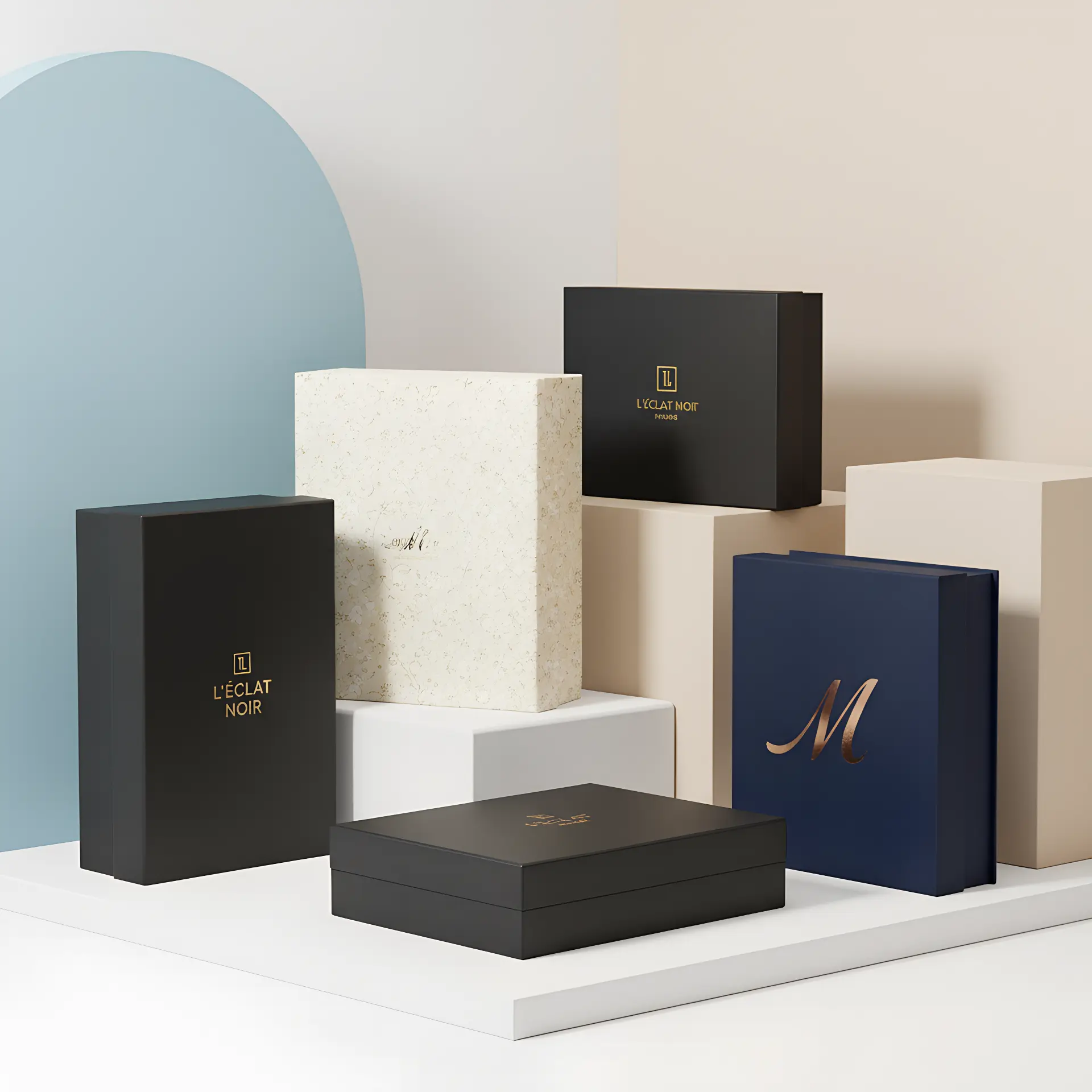
Also called set-up or gift boxes, these are thick, sturdy boxes known for their premium quality.
Rigid boxes use chipboard or paperboard. They are wrapped in decorative paper, and have a strong premium feel. It is commonly used in high-end electronic boxes, jewelry, and luxury gifts.
- Magnetic closure boxes- secure, elegant, and perfect for luxury gifting
- Two piece Lift-Off Lid boxes- sturdy and classic for premium presentation
- Corrugated boxes
Also known as shipping boxes or cartons. Corrugated boxes use fluted cardboard for strength and durability. Made from corrugated fiberboard, lightweight but strong, making it ideal for transport.
It is commonly used in subscription boxes, shipping cartons, and protective e-commerce packaging.
- Regular Slotted Container (RSC)- standard for safe shipping of goods.
- Die-cut boxes- custom shapes for branding and protection
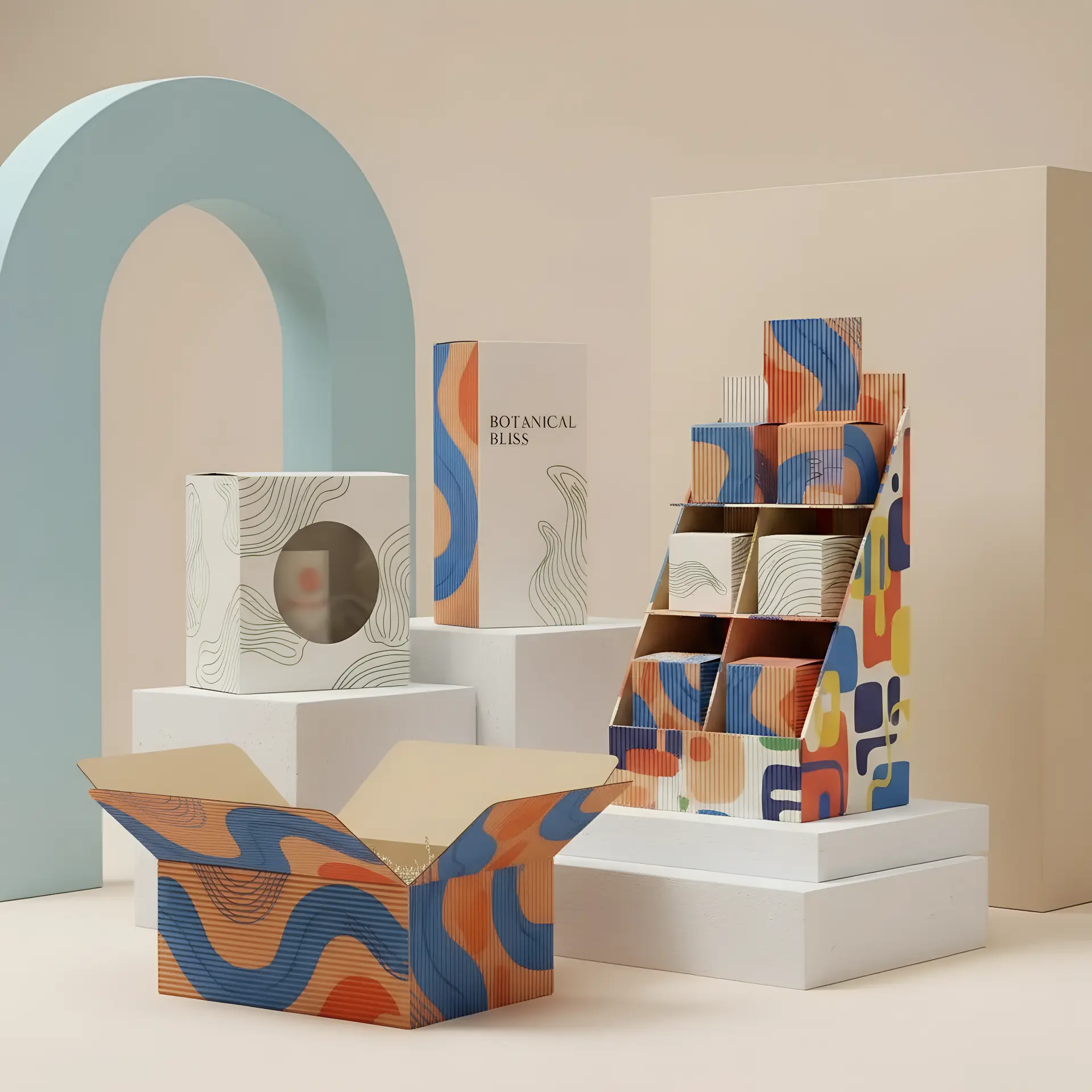
- Folding carton
It is also called paperboard cartons. These are lightweight and can be flattened when not in use. It is made from paperboard, making it easy to print on, and is cost-effective. It can be seen on cereal boxes, makeup cartons, and retail display boxes.
- Straight tuck boxes- easy to assemble with neat closure.
- Reverse tuck boxes- solid and flexible for many products
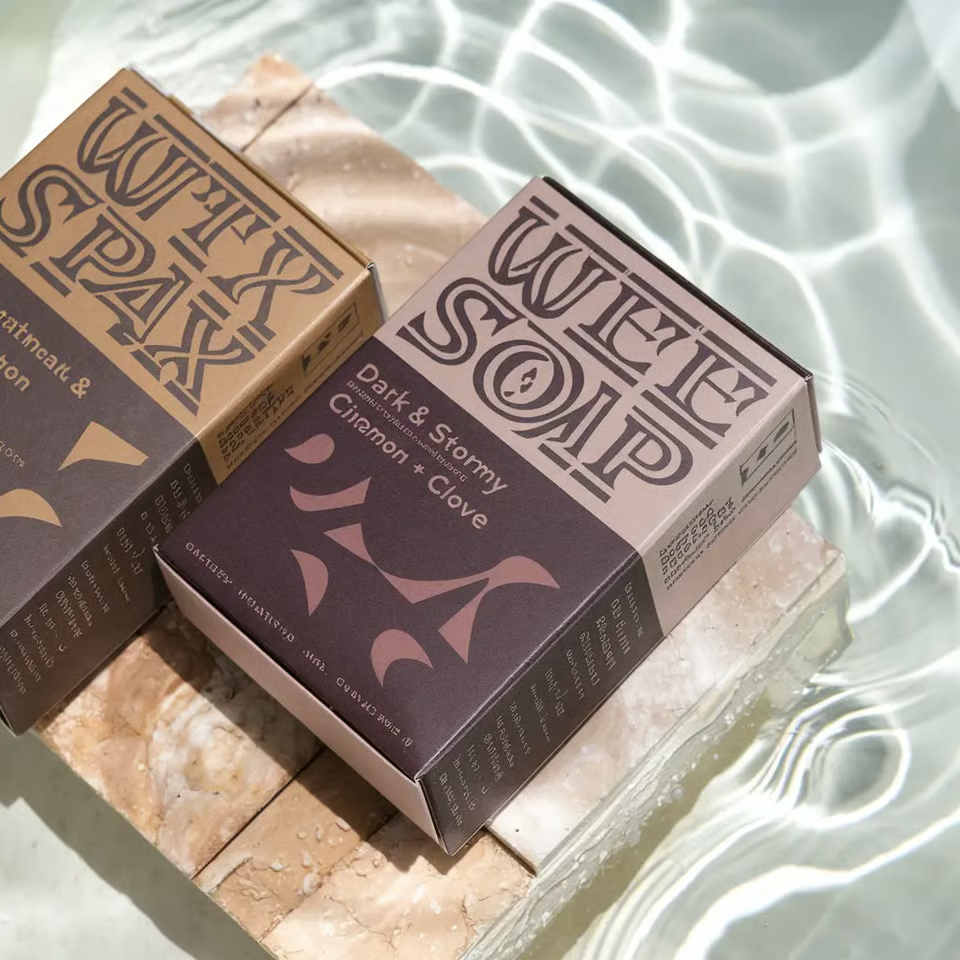
- Branded bags and pouches
Custom-printed carry bags and flexible pouches for retail or food products. These bags are made from paper, fabric or plastic; portable and reusable. It is often used in tote bags, coffee pouches, and shopping bags.
- Stand up pouches- perfect for snacks and dry goods
- Luxury paper bags- Elegant retail presentation
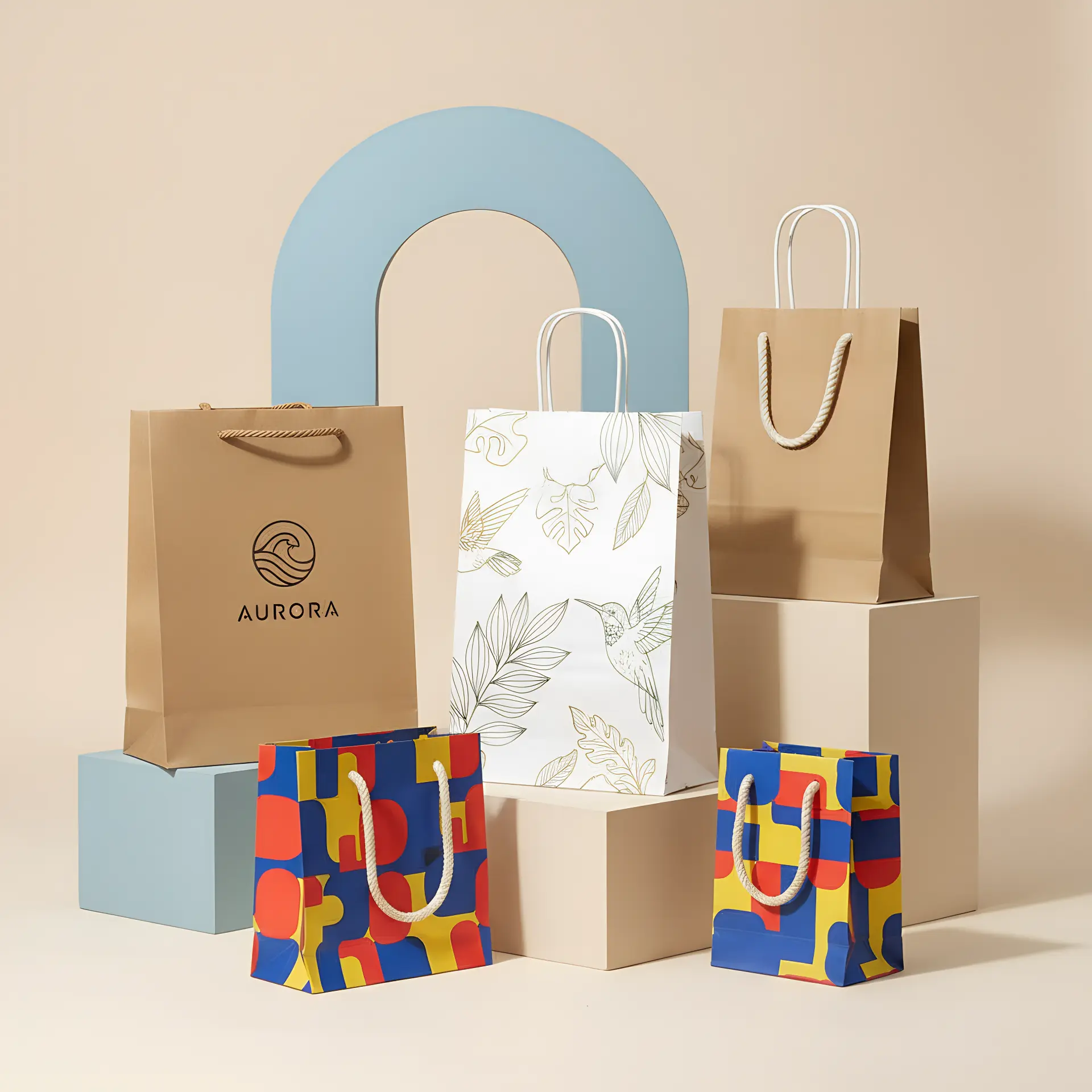
- Inserts and tapes
Custom-fitted packaging pieces and branded sealing tape. These inserts and tapes are made from cardboard, foam, or paper. It enhances protection and branding. It is mostly seen on die-cut inserts and printed packaging tape.
- Foam inserts- soft yet sturdy, these inserts prevent movement and damage during shipping
- Custom-printed tape – branded tapes that secure packages.
- Eco-friendly bespoke packaging
It is also known as sustainable and green packaging. This packaging reduces environmental impact while keeping its brand appeal. Made from recycled and biodegradable materials. It is often used in compostable mailers, recyclable paper boxes, and eco bags.
- Biodegradable mailers- durable enough for shipping but break down naturally.
- Recycled paper boxes- strong recycled paper made from consumer waste. This is to signal eco-friendly values.
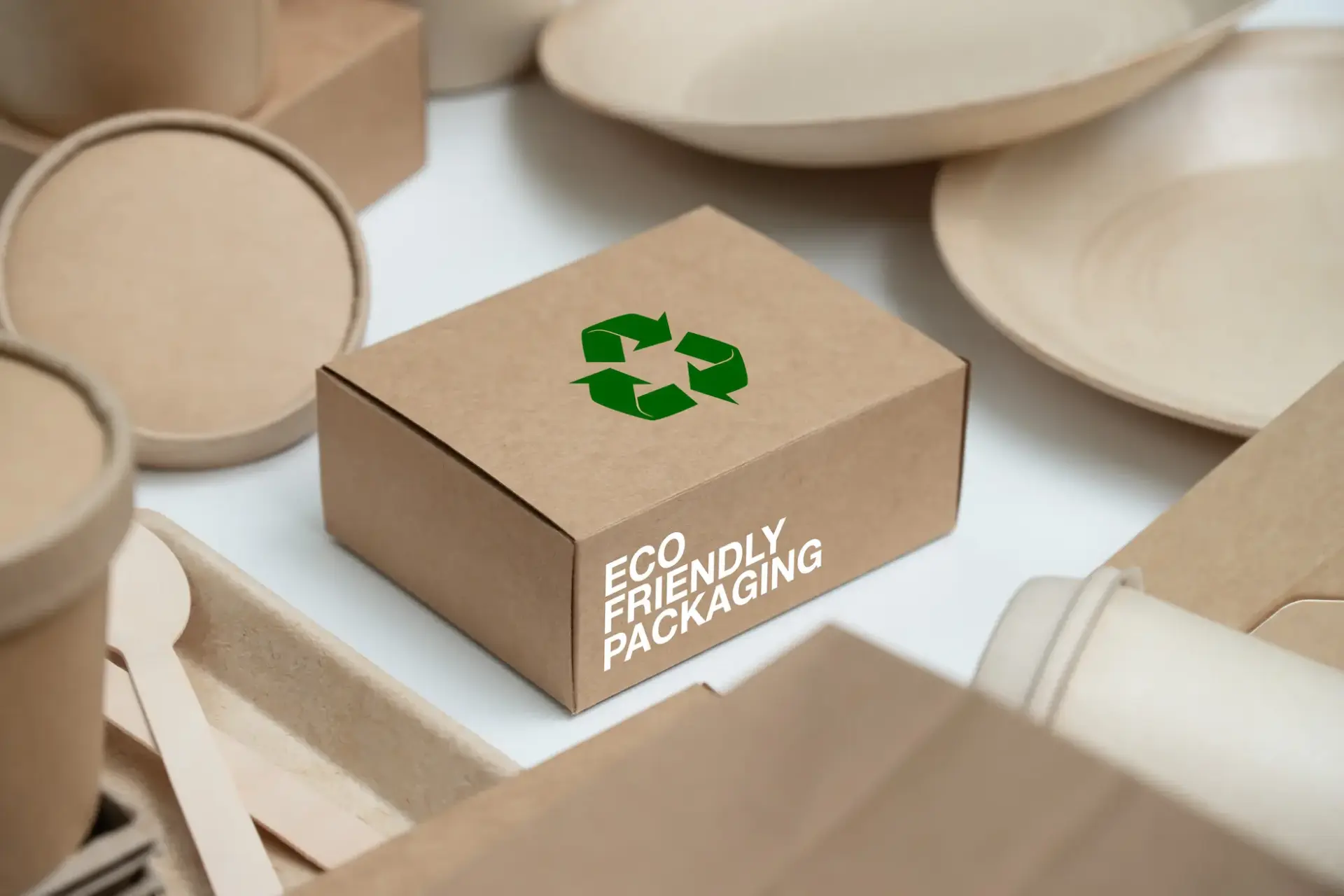
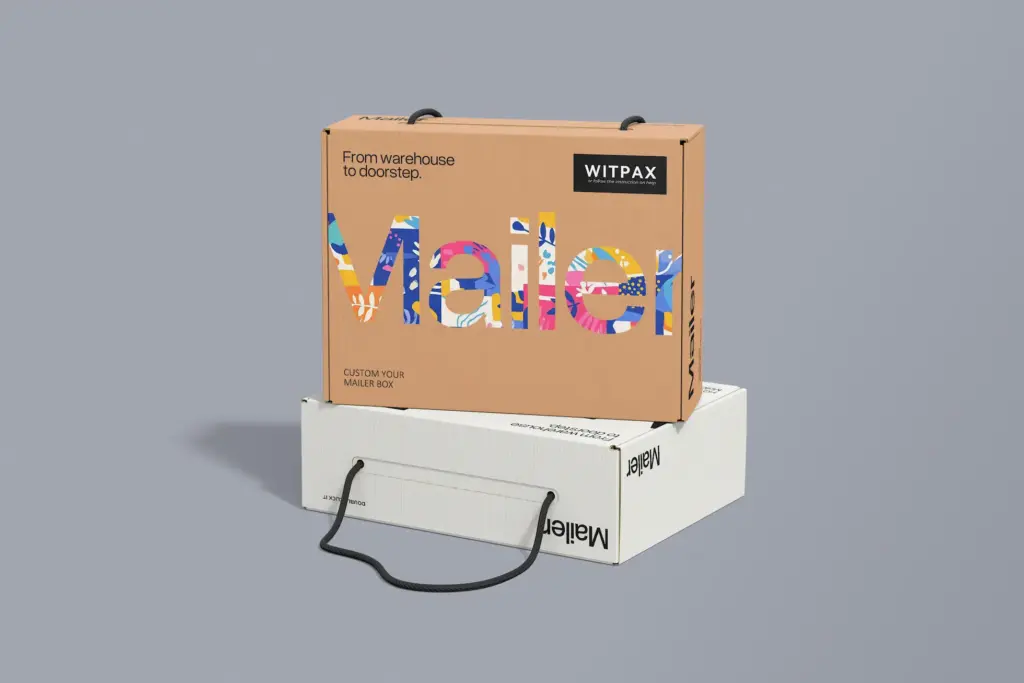
- Custom Mailer Boxes
Also called e-commerce boxes or branded shipping boxes. It is designed to protect products in transit. It is usually made from corrugated cardboard, durable, printed inside and out, and easy to assemble. It is often used in subscription boxes, gift mailers, and branded shipping boxes.
- Tab Lock Mailers- Snap-shut design keeps items secure without extra tape.
- Roll End Mailers- Sturdy, fold-up boxes that protect goods in transit while showing custom printing
3 Common Industries and Applications
Bespoke packaging has three common types and applications, such as:
Bespoke Luxury Packaging
Bespoke luxury packaging is designed to reflect exclusivity, artistry, and high value. It goes beyond protection to deliver sensual experience through premium materials, clear finishes, and elegant design details.
Luxury brands often look for strong, well made packaging with clear printing, and neat details like shiny foil, raised logos, or soft- touches.
Types of packaging used most often:
- Rigid boxes with magnetic closures
- Two-piece lift off lid boxes
- High quality paper bags with ribbon handles

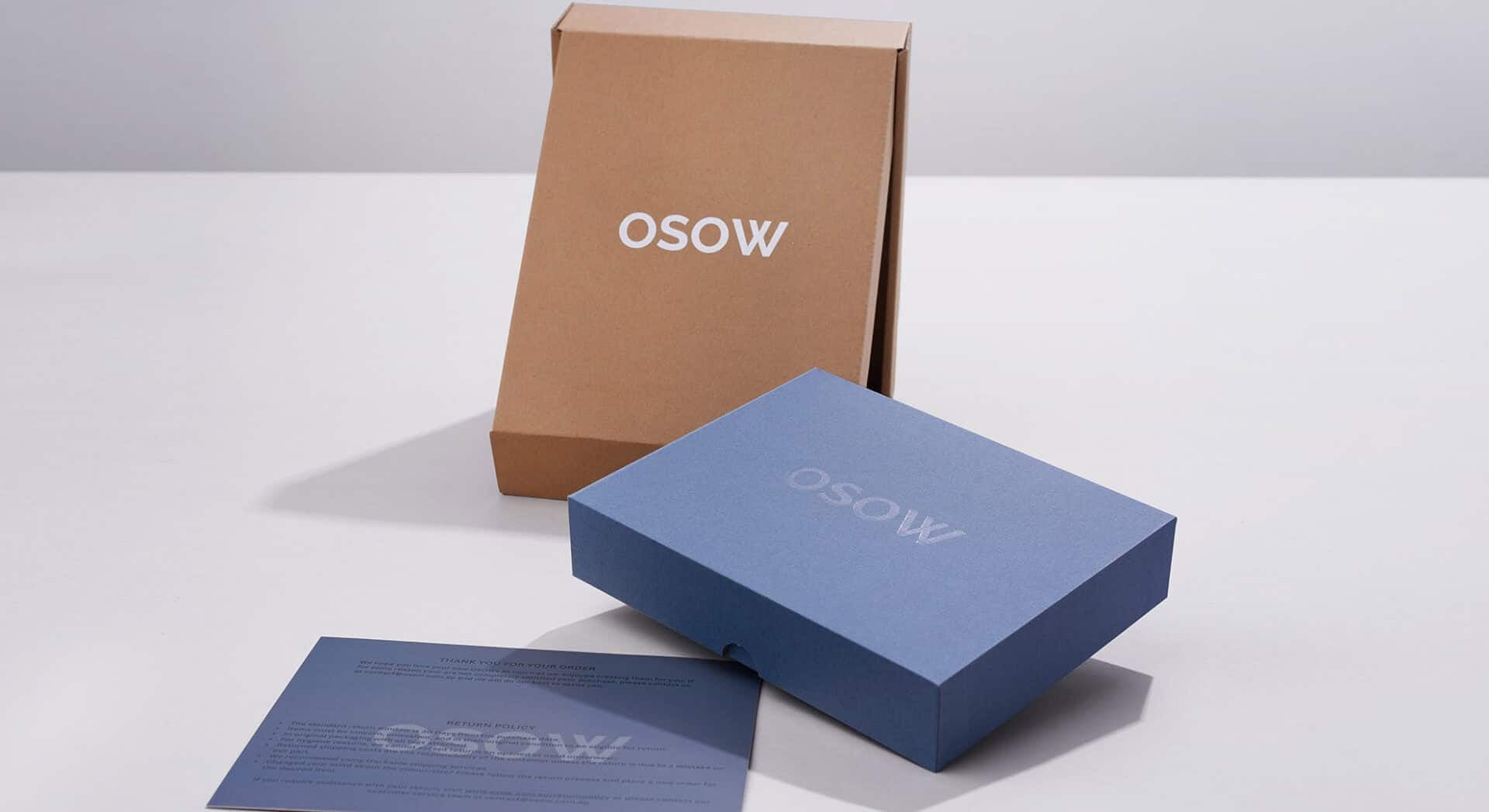
Bespoke E-commerce Packaging
Bespoke e-commerce packaging is made for shipping products directly to consumers while keeping them safe and looking great.
Packaging for e-commerce packaging requires it to be strong for transport but easy to open. It should fit the product well, reduce waste, and have designs that match the brand’s style.
Types of packaging used most often:
- Custom mailer boxes
- Branded shipping boxes
- Padded envelopes with custom printing
Food and Beverage Packaging
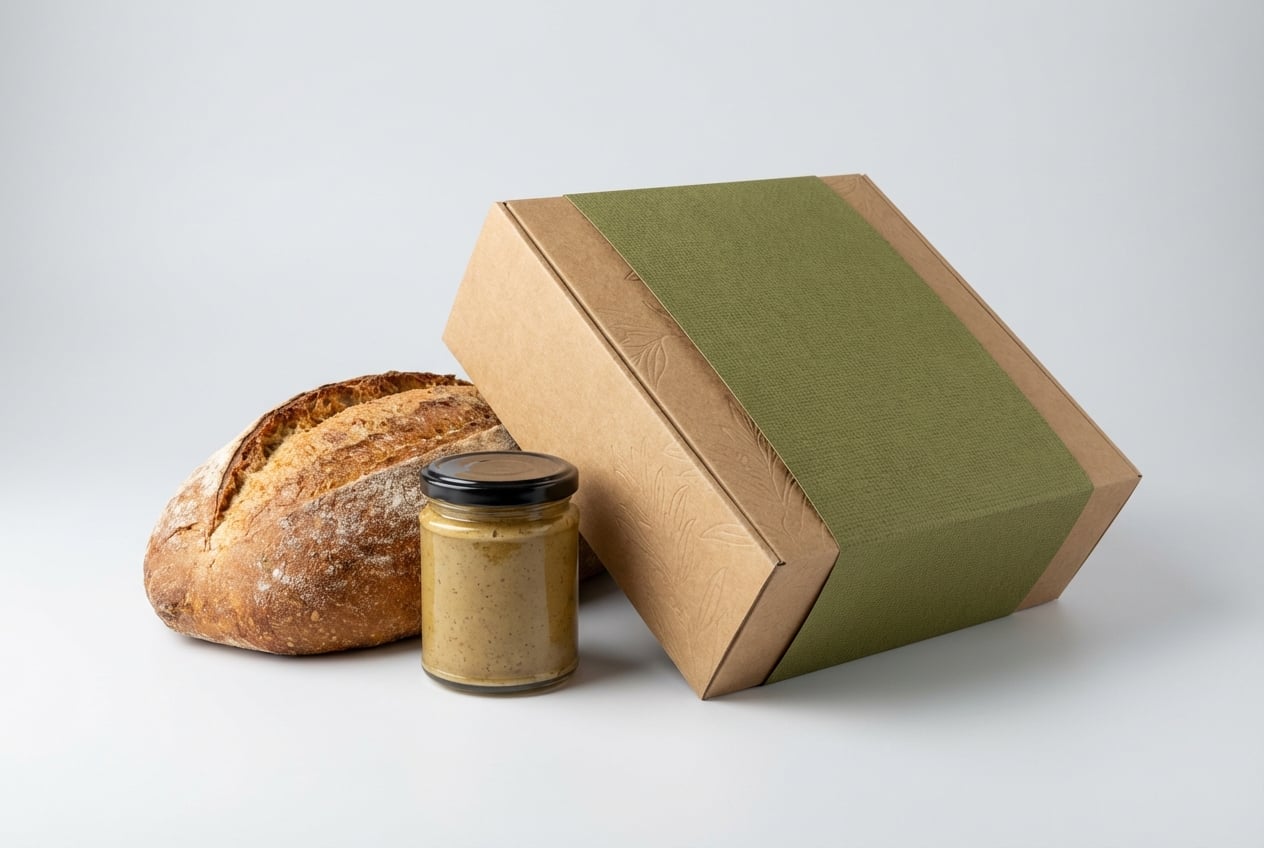
Food and beverage packaging protects products while keeping them fresh and safe to eat or drink.
It must meet food safety rules, keep items at the right temperature, and be easy to open. Clear labeling for ingredients and expiration dates is also important.
Types of packaging used most often:
- Custom food boxes
- Beverage carriers
- Eco-friendly takeout containers
How to Create Bespoke Packaging?
As an experienced packaging researcher at Witpax, I can tell you: beyond choosing the right packaging style, there are three often-overlooked yet critical details: branding integration, material choice, and printing/ finishing. Getting these right is key to ensuring the final product meets your expectations.
- Branding integration – match the packaging design to the brand’s identity. Use the same colors, fonts, and logos so customers can easily recognize the product.
- Material choice- choose materials based on function, sustainability, and cost. For example, rigid cardboards give premium feels while kraft-paper shows eco friendliness.
- Printing/Finishing – work with designers to make your packaging visually appealing.
Finishing methods like embossing, foil stamping, and matte or glossy coatings can turn simple boxes into premium ones.
Branding integration means making sure the packaging speaks the same language as the brand. It is aligning packaging goals with brand identity. For example, Samsung’s sleek black and silver packaging reflects its modern and tech-driven image. When done right, branding integration makes products more recognizable and builds trust over time.
Material choice is setting the tone for the unboxing experience and sending a strong message about the product values. Cardboard, for instance, is versatile and can be made into rigid magnetic boxes for a premium feel. Recycled kraft paper signals eco-friendliness while specialty materials like velvet lining add exclusivity. Choose materials considering functionality, sustainability, and cost.
- Cardboard- rigid magnetic box; gives a luxury feel, usually 3.5 mm thick.
- Kraft paper- sturdy yet sustainable; cost effective.
- Corrugated cardboard- strong, lightweight, great for shipping; medium cost.
- Plastic- durable, moisture resistant and fits products needing visibility.
Printing/finishing means enhancing the look and feel of the packaging using special techniques. Collaborate with designers to create aesthetic and engaging designs. Techniques like embossing and offset printing give a premium touch on the products.
- Embossing creates raised patterns on products for texture.
- Foil stamping makes use of high-quality colors and is best for large orders.
FAQ
What is bespoke packaging?
Bespoke packaging is designed specifically to meet a brand’s needs. It mixes custom designs, tailored materials, and personalized branding to create a unique look. Bespoke packaging is different from stock or generic boxes because it reflects the brand’s style making products stand out in the market.
How long does the process take?
The bespoke packaging in the UK usually takes about five to six weeks. A dieline can be done in 24 hours, prototyping in 7 days, production in 14 days, and delivery in another 14 days. Timelines may be shorter for simpler designs while complex designs take longer.
Can bespoke packaging be sustainable?
Yes. Many bespoke packaging UK suppliers offer sustainable options such as kraft papers, recycled cardboards and biodegradable films. Certifications such as FSC (Forest Stewardship Council) materials are also available. Biodegradable labels are also available now for bespoke packages. This is to ensure they meet eco-standards while still looking premium.
Bespoke vs Standard Packaging
Bespoke packaging is custom-made in design, materials and size. It delivers strong branding, and a better product fit. Standard packaging, on the other hand, comes in fixed size and designs. It’s cheaper but less distinctive, and may require fillers to fit securely.
Is bespoke packaging affordable for small businesses?Yes. Bespoke packaging can cost more than standard boxes but Witpax offers low minimum order quantities. This lets small business owners afford custom packaging solutions that improve a brand image.