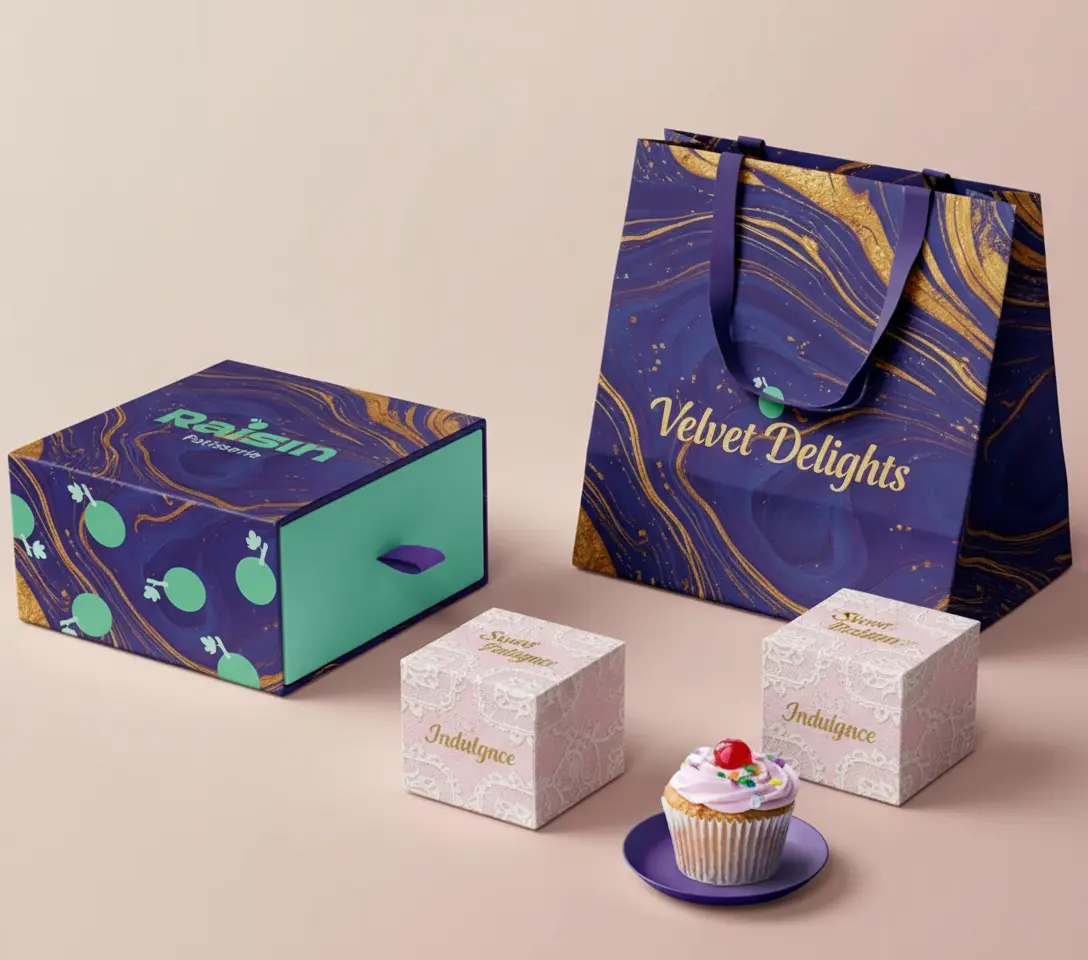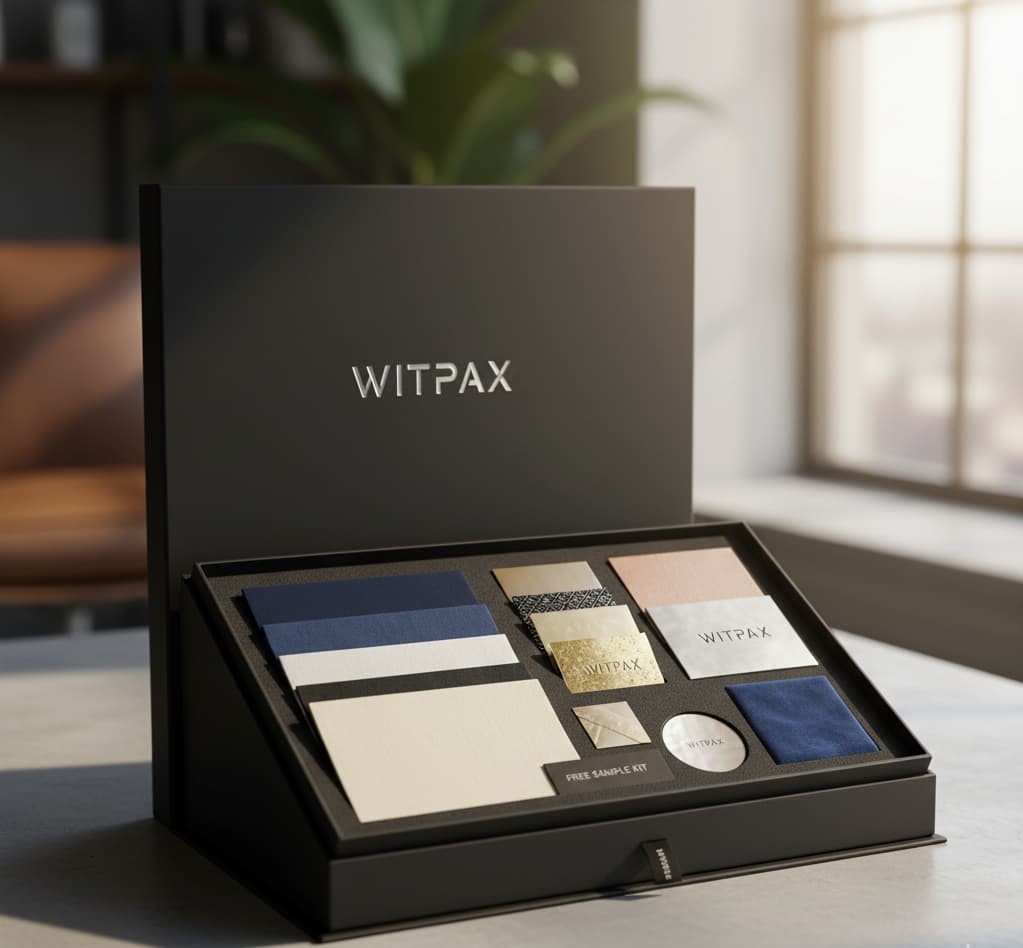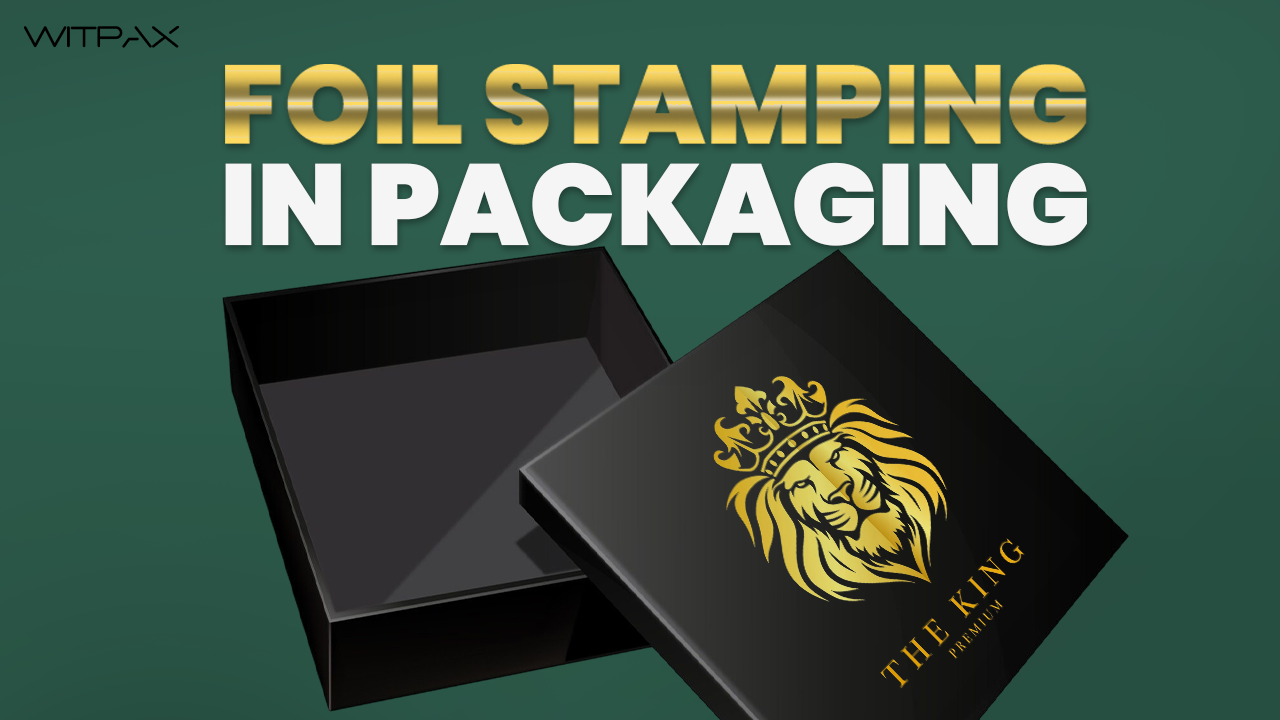
Foil stamping is a printing method that uses heat and pressure to apply a thin layer of metallic foil onto a surface. In the UK, it is usually called foil blocking or hot stamping. Foil stamping enhances both the look and feel of packaging, it is most used by luxury brands and premium product lines.
There are six main ways to foil stamps which are hot foil stamping, flatbed stamping, vertical stamping, sculpted foil stamping, peripheral foil stamping, and digital foil stamping.
There are five main reasons why foil stamping is good for packaging. These reasons are it gives your brand a luxurious look, it looks great, it’s very durable, it can be used in many ways, and there are eco-friendly options.
Foil stamping is mainly used for seven things in packaging: business cards, folding cartons, labels, gift cards, certificates, book covers, and invitations.
What is Foil Stamping
Foil stamping is a unique way to print, it works by heating up foil and applying enough pressure so the designs of the shiny metallic or colorful materials stick to stuff. Thin foil is stamped or pressed onto the paper, plastic or cloth by a metal stamp with heat to create wearable finishes such as gold, silver, copper and others. The result is an even or textured surface that gives the appearance of being more expensive and beautiful.
Foil stamping makes designs bold and catch the light, and they feel soft to the touch. The foil only sticks where the stamp presses down, so it’s great for putting on logos, text, or decorative patterns that are very exact.
Foil stamping is a common way to enhance the look of printed items and packaging. Printed items like:
- Business Cards
- Folding Cartons
- Labels
- Gift Cards
- Certificates
- Book Covers
- Greeting Cards
- Invitations
- Event Tickets
- Wine Labels
- Cosmetic Packaging
- Certificates of Authenticity
This method makes a brand look better by using strong visuals and touchable effects. This helps products stand out in stores and in advertising.
How Does Foil Stamping Work?
Foil stamping uses heat, pressure, and glue to put decorative foils on surfaces. This makes designs that are sharp and long-lasting, with finishes that are metallic, matte, or holographic.
Step 1: Artwork and Die Creation
The design is made into a metal die with a raised pattern.
Step 2: Foil Roll Setup
A roll of foil is put in place & loaded above the substrate.
Step 3: Heating and Registration
The die is heated to between 80°C &180°C and lined up with the target area.
Step 4: Stamping
The heated die presses the foil onto the surface, making a perfect bond.
Step 5: Cooling and Finishing
The foil cools down, and any extra is taken away, leaving a clean stamped image.
Works with paper, plastic, leather, and fabric for high-quality labels and packaging.
Types of Foil Stamping Techniques
There are seven main foil stamping techniques: hot foil, flatbed, vertical, sculpted, peripheral, cold, and digital stamping. Each has different benefits for packaging and decorative printing.
Hot Foil Stamping: Hot foil stamping uses heated dies and pressure to press foil, which makes designs that are sharp and full of color. This is the most common way to package and label high-end items.
Flatbed Stamping: Flatbed stamping is a good choice for folding cartons & book covers because it presses foil onto large sheets with flat machines.
Vertical Foil Stamping: Vertical foil stamping uses upright machines to stamp small things like certificates and greeting cards, and it gives very precise results.
Sculpted Foil Stamping: This method combines embossing and foil stamping to make designs that are raised and have a texture you can feel.
Peripheral Foil Stamping: Peripheral foil stamping adds foil to the edges and round surfaces of things like bottle caps.
Cold Foil Stamping: Cold foil stamping uses glue and UV light instead of heat to print quickly.
Digital Foil Stamping: Digital foil stamping is great for small batches or custom designs because it doesn’t need metal dies.
Types of Foil and Their Appearance
There are six main types of foils used in packaging: holographic, metallic, pigment, textile stamping, special effects, and eco-friendly foils. Each type gives a unique look to improve luxury packaging and brand image.
Holographic Foils
These foils reflect changing patterns like rainbows or glass, they help prevent fake products from being sold and give your look a bright, layered effect that changes with the light.
Metallic Foils
They are shiny gold, silver, & copper foils used by most high end brands, they make the packaging look smooth and shiny, like a mirror.
Pigment Foils
They are bold, non-shiny foils give solid colors in matte or glossy finishes, the surface can feel soft or slick, great for simple, modern designs.
Textile Foils
These foils are hot-stamped onto fabric, they stretch with the threads of the fabric and can make either shiny or soft, dull finishes.
Special Effects Foils
They include shiny, clear, rough, scratch off, and security foils. They make packaging stand out with glow, texture, or patterns you can feel.
Eco-Friendly Foils
These foils come in shiny, matte, or textured styles and are made from materials that can be recycled or broken down. They add a touch of luxury while also being good for the environment.
7 Benefits of Using Foil Stamping in Packaging
There are 7 benefits of using foil stamping in packaging, which are:
Stand Out Instantly
Its shiny finish makes it stand out on shelves and makes it look expensive.
Unlock Creative Options
There are a lot of colors & patterns of foil to choose from, so you can make fancy or simple designs.
Strengthen Brand Storytelling
Foil details support the brand’s message & make the unboxing feel special.
Add Tactile Interaction
Textured finishes let customers feel the design and raise the product’s value.
Adapt Across Surfaces
Works well on paper, plastic, and fabric while keeping the same shine.
Emphasize Typography
Creates clean, stylish letters for logos & messages.
Protect Against Fakes
Security foils help stop fake products & build customer trust.
What Are Common Uses of Foil Stamping?
Foil stamping is a popular way to make packaging look more luxurious, more appealing on the shelf, and more high-end. It is especially common in these five categories of packaging:
Cosmetics and Beauty Packaging
Foil stamping makes lipstick boxes, skincare jars, & makeup palettes look more stylish. Shiny finishes make logos and text stand out, which shows that the product is of high quality and draws in customers in busy stores.
Confectionery and Gourmet Food Packaging
Foil stamping is used to make detailed designs on the wrappers, boxes, & seals of fancy chocolates, cookies, and snacks. The shiny look makes food items that are ready to be given as gifts look more expensive.
Wine, Spirits, and Premium Beverages
Foil stamping adds gold, silver, or rainbow-like foil to wine labels, bottle tops, and seals to make them look better. It gives bottles a rich, tactile quality that makes them stand out on crowded store shelves.
Perfume Boxes
Foil stamping is used by the best perfume brands on boxes and sleeves to make them shiny and rich. This method works well with embossing to give a high-end feel to the unboxing.
Fast-Moving Consumer Goods (FMCG)
Foil stamping is a way for even FMCG brands to make their products stand out on labels and boxes. It helps people feel good about the quality of the product and gets their attention in busy areas like health, wellness, and household goods.
Tips for Creating Luxury Packaging with Foil Stamping
There are five tips for creating luxury packaging with foil stamping, which are:
Smooth Surfaces: Smooth, evenly coated papers help the foil stick clearly.
Dark Papers Boost Contrast: Dark, rich colors make the foil stand out more.
Combine with Embossing: Embossing creates raised foil designs you can feel.
Keep Designs Simple & Bold: Bold artwork makes the foil easier to see & read.
Partner Closely with Your Printer: Working with an expert helps get clean, even results.
Environmental Impact
Traditional foil stamping uses foils that don’t break down naturally as well as glue made from chemicals. This makes recycling harder and adds to landfill waste. Modern methods use materials that are friendly to nature, like foils that can be recycled & water-based adhesive. Environmental foils enable foil-stamped packaging to be recycled or composted, these measures are helpful to the environment and reduce waste.
Best Practices for Eco-Friendliness
When brands use eco-friendly methods, foil stamping can fit with their goals for eco-friendly packaging. These steps help keep the quality high while also lowering damage to the environment:
- Pick suppliers who use glues & foils that are good for the environment.
- Pick paper or board certified by responsible forestry programs
- Use only a small, planned amount of foil for the best effect.
Choose Eco-Friendly Foils and Adhesives
Use foils that break down naturally and water-based glues to reduce harmful waste & make recycling easier, helping the environment without losing quality.
Use Certified Sustainable Paper or Board
Choose paper and board that has been approved by the Forest Stewardship Council (FSC) or the Program for the Endorsement of Forest Certification (PEFC). This will help protect nature & lower carbon emissions.Apply Minimal, Strategic Foil Coverage
To get the most effect with the least amount of foil & waste, only use foil stamping on the most important parts of the design. This is in line with eco-friendly branding.