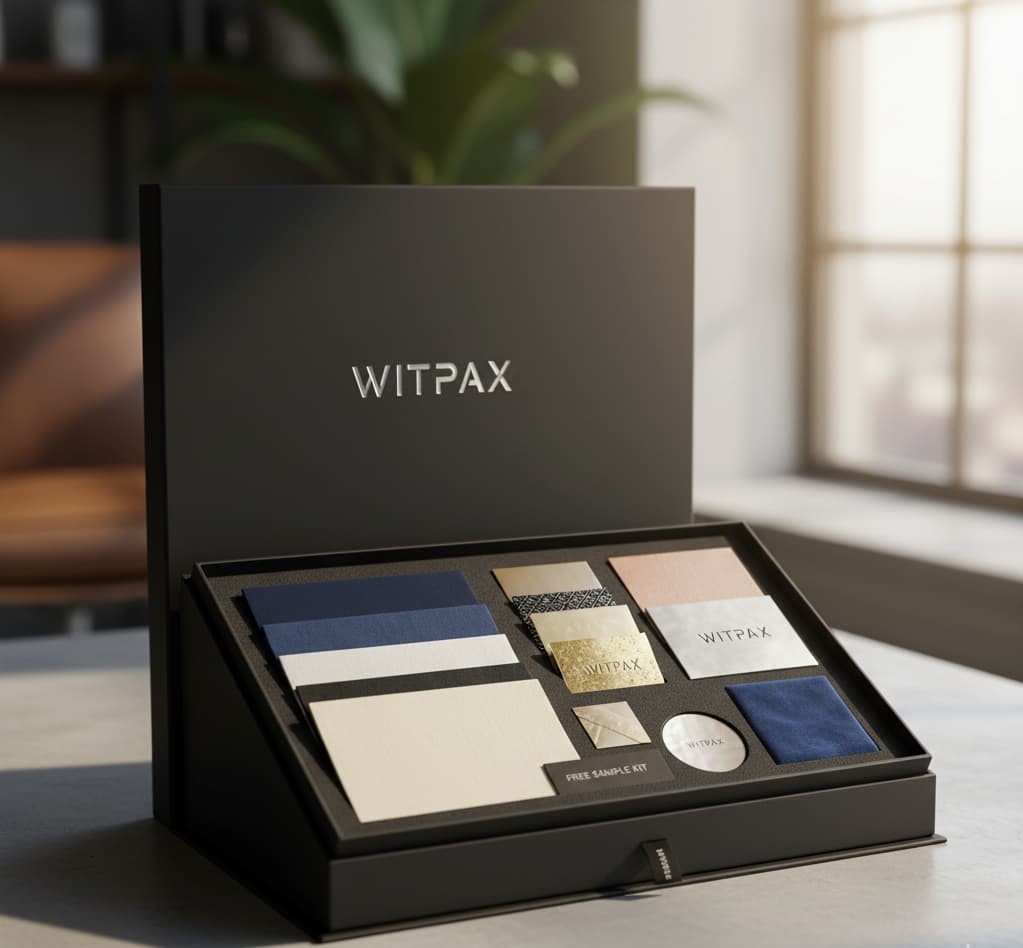
Gray board paper
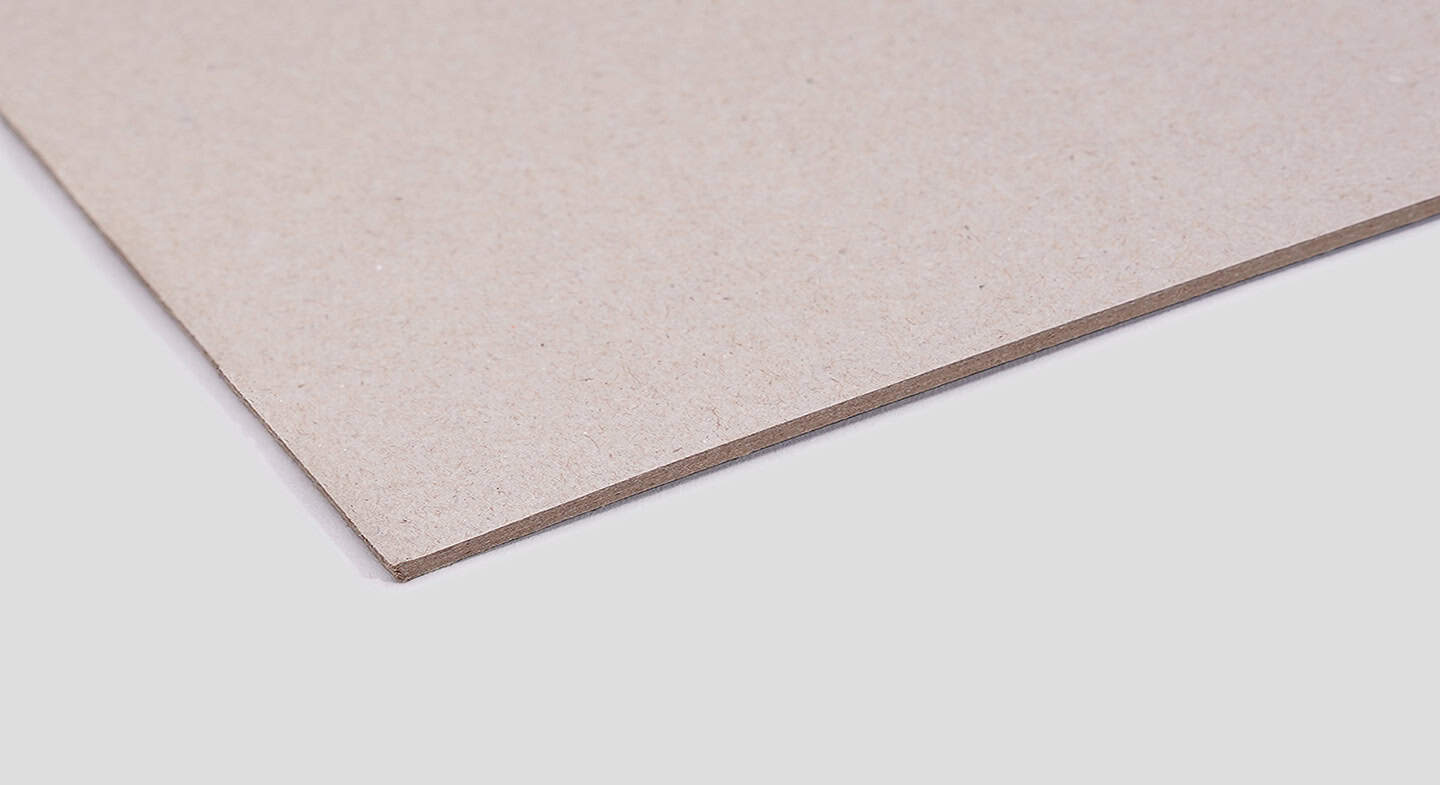
Gray board paper — commonly called chipboard or greyboard — is a thick, dense material made primarily from recycled paper fibers. Its exceptional rigidity makes it the structural foundation of rigid boxes, book-style packaging, and any application where firm, non-collapsible construction is required.
Key Advantages
- Outstanding rigidity: High-density compressed construction creates a firm, non-flexible board that holds its shape under pressure
- Made from recycled content: Typically manufactured from 90-100% recycled paper fibers, supporting sustainability goals
- Multiple thickness options: Available from 1mm to 3mm+ caliper for varying structural requirements
- Excellent wrapping substrate: The rigid surface accepts paper wrapping, fabric covering, and lamination with consistent results
- Cost-effective structural material: Provides premium rigidity at a lower cost than solid wood or plastic alternatives
Common Applications
- Luxury rigid boxes: The core structural board inside wrapped gift boxes, jewelry cases, and premium product packaging
- Book-style and clamshell boxes: Hinged and magnetic closure packaging requiring stiff panels
- Packaging inserts: Die-cut structural inserts and product cradles inside presentation boxes
- Hardcover book cases: The rigid core in hardbound book covers and slipcases
Industry insight: Gray board is never the visible surface — it is always wrapped or laminated with a decorative paper, fabric, or printed sheet. Think of it as the skeleton of luxury packaging: invisible but essential. The thickness you choose directly determines how premium the box feels in hand.
Best Used With
- Details
- Examples
Overview
Gray Board Paper, also known as chipboard, is a dense, rigid paperboard manufactured primarily from recycled fibers, offering exceptional structural strength and cost-effectiveness for applications requiring stiff, durable substrates. This workhorse material forms the foundation of rigid box construction, book covers, and structural packaging components across diverse industries.
The material’s high-density composition provides superior rigidity and compression resistance, making it ideal for creating self-supporting structures that maintain shape without additional reinforcement. Gray board’s thickness options range from lightweight to heavy-duty grades, enabling designers to specify appropriate structural performance for products from delicate cosmetics to heavy electronics.
While the gray recycled core is typically wrapped with printed paper or specialty materials in finished applications, gray board’s sustainability credentials are significant—manufactured from post-consumer waste, it exemplifies circular economy principles while delivering reliable structural performance. Its cost-effectiveness makes premium rigid box packaging accessible to broader market segments without compromising quality perception.




I am a heading
I am a heading
| Column |
|---|