Colored Cardboard
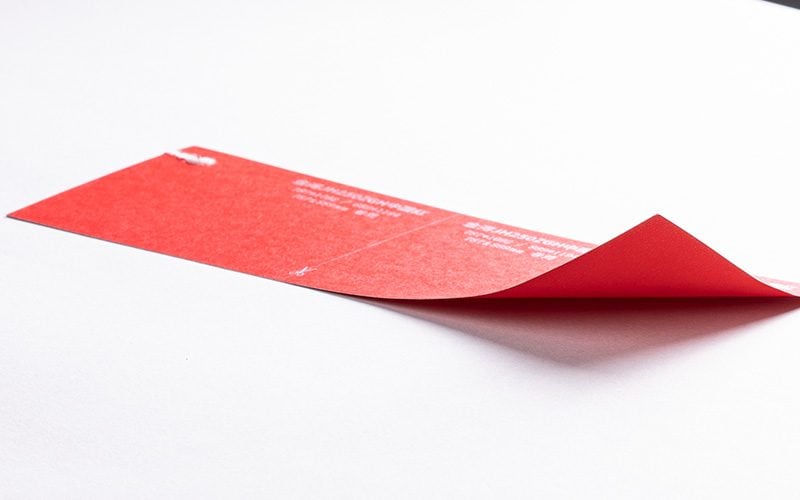
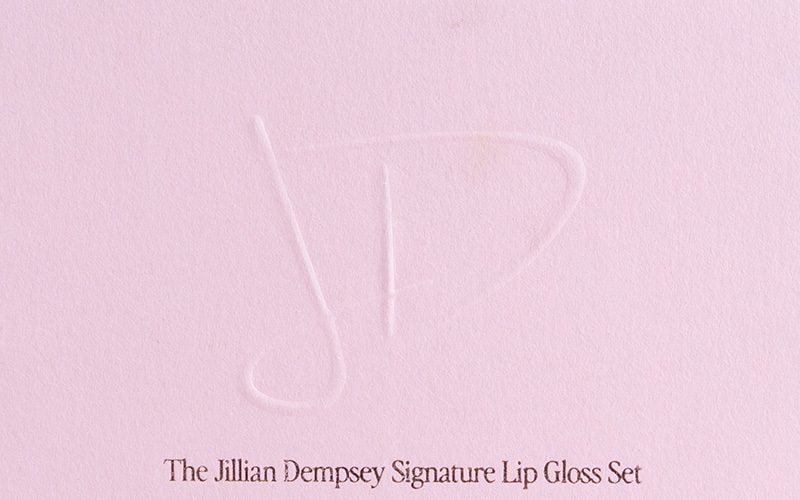
Colored cardboard is dyed throughout its full thickness, delivering vibrant and consistent color that won’t chip, scratch, or expose a white core at cut edges. Available in a wide spectrum from bold primaries to subtle pastels, it eliminates the need for full-coverage ink printing.
Key Advantages
- Edge-to-edge color consistency: Dyed-through construction means cut edges, folds, and corners maintain the same color
- Reduced printing costs: No need for full-bleed ink coverage — the material itself provides the base color
- Scratch and wear resistance: Color is integral to the material, not a surface coating that can be damaged
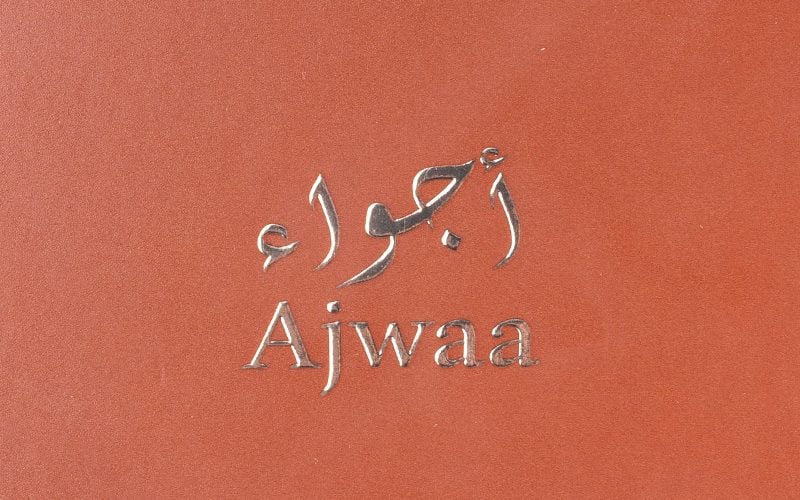
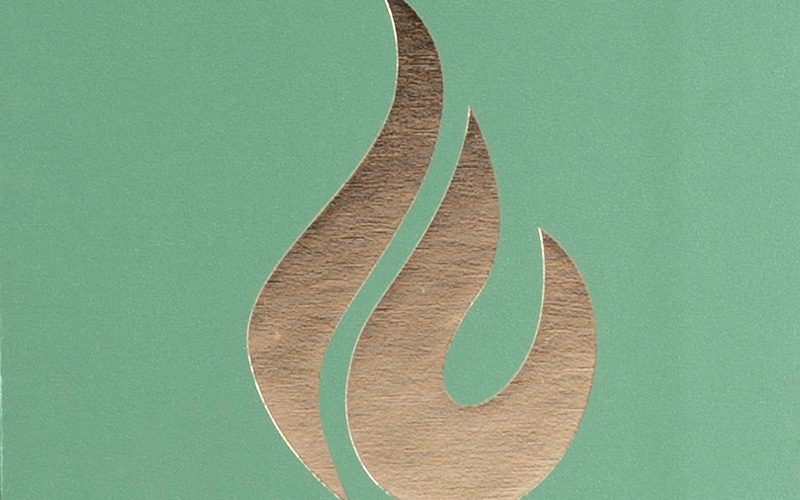
- Clean design flexibility: Pair with foil stamping, embossing, or minimal spot printing for refined brand presentation
- Multiple weight options: Available in various thicknesses for folding cartons, inserts, and rigid box wrapping
Common Applications
- Retail folding cartons: Shelf-ready packaging with bold brand color presence
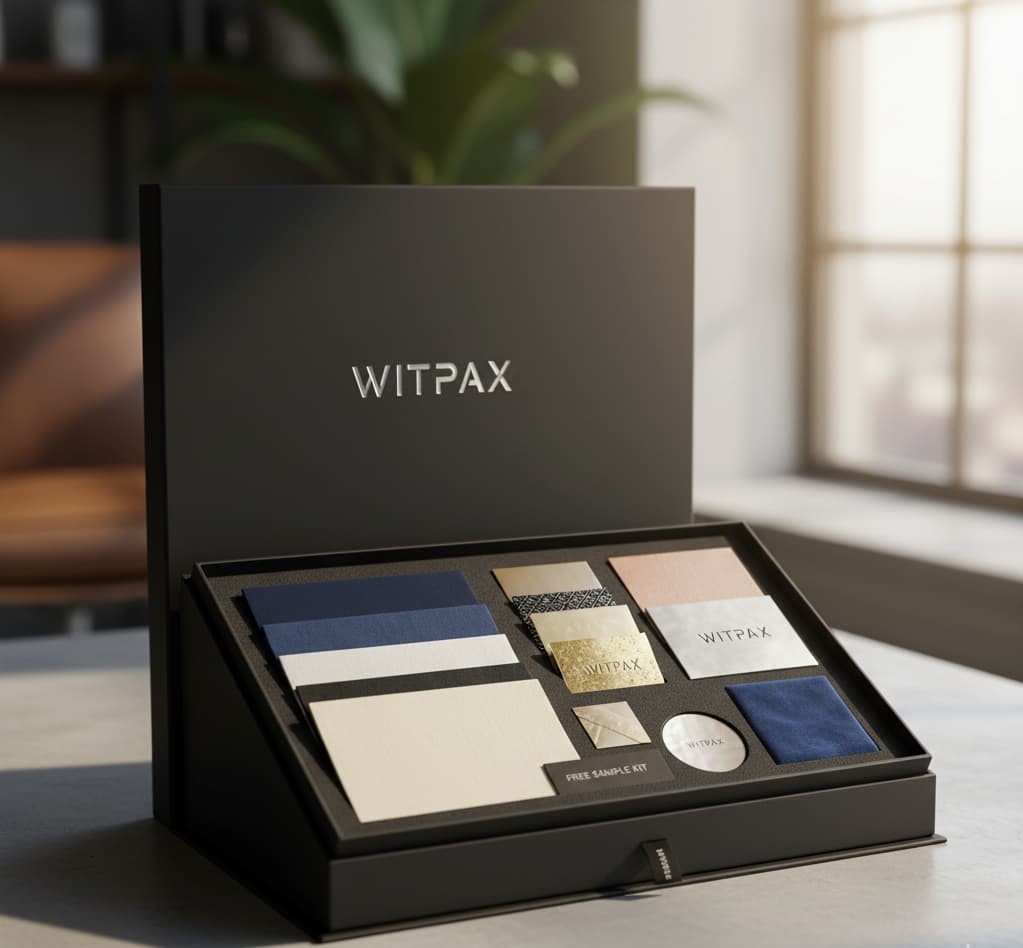
- Box inserts and dividers: Color-coordinated interior elements that elevate the unboxing experience
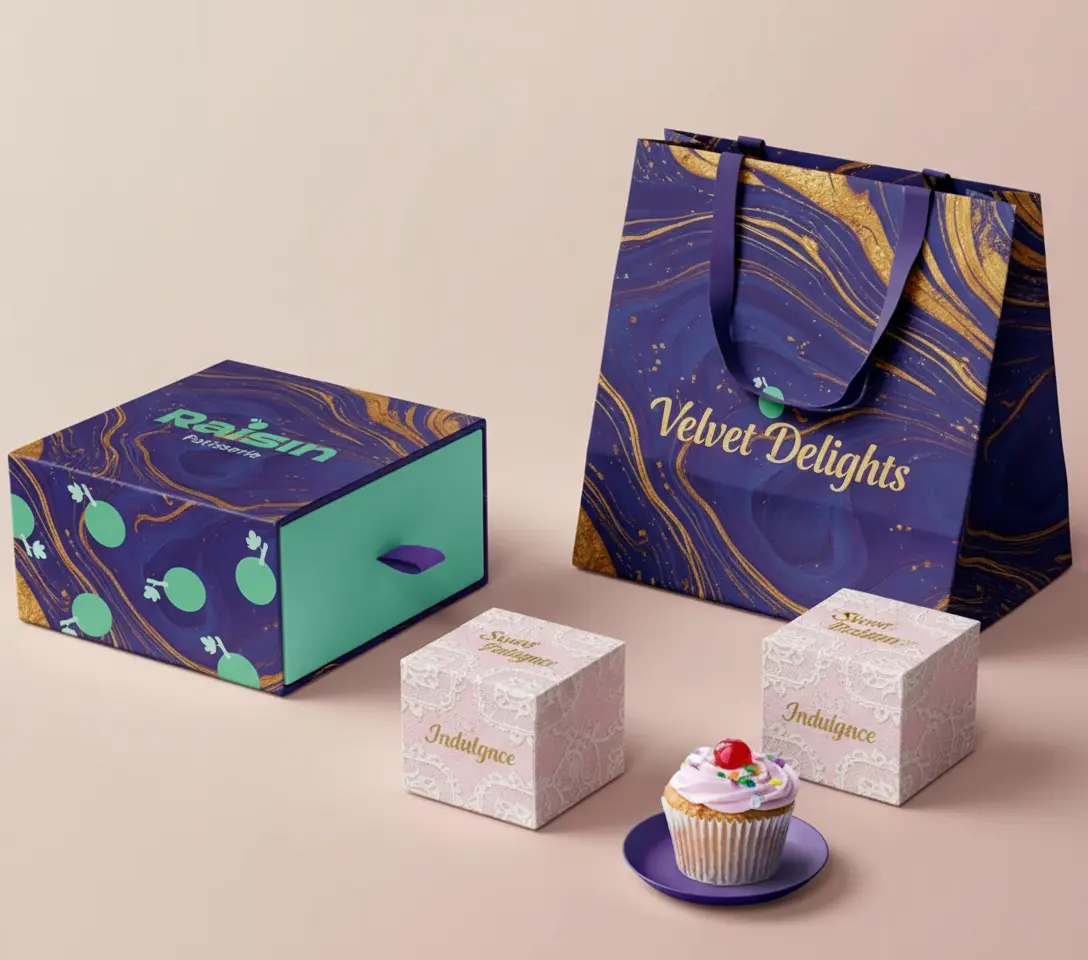
- Shopping bags: Durable, color-matched paper bags for retail and boutique environments
- Gift packaging: Holiday and seasonal boxes without full-color printing overhead
Industry insight: Colored cardboard is especially effective for brands with a strong signature color. By starting with a colored substrate, you invest your print budget in finishing details rather than background ink coverage.
Best Used With
- Details
- Examples
Overview
Colored Cardboard offers pre-dyed substrate solutions that eliminate the need for full-coverage printing while delivering vibrant, consistent color throughout the material structure. This approach provides both cost efficiency and design flexibility, allowing brands to create bold, colorful packaging with reduced ink consumption and simplified production workflows.
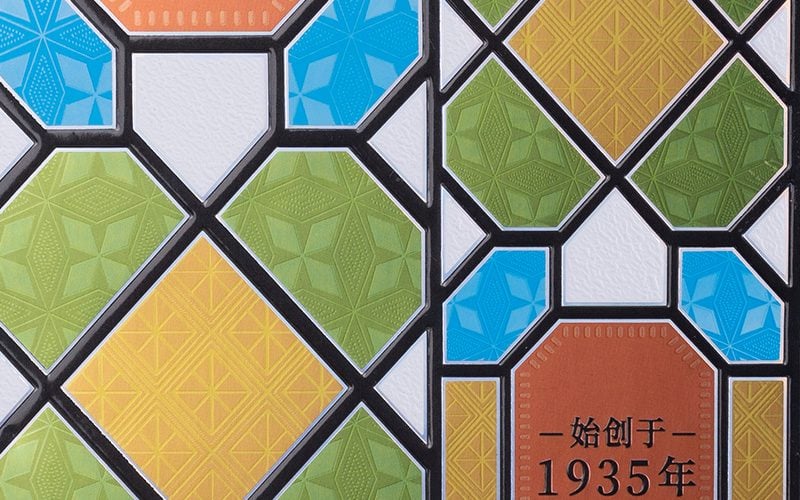
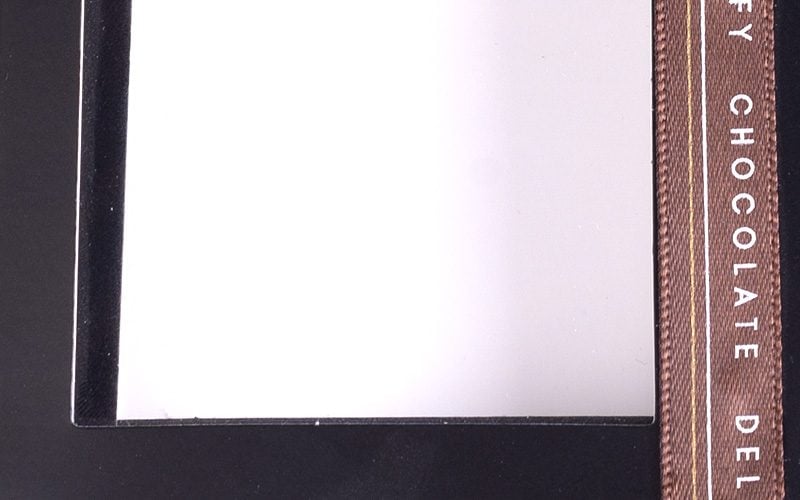
Available in a spectrum of standard and custom colors, colored cardboard maintains uniform hue from surface to core, ensuring clean edges and consistent appearance across die-cuts, scores, and folds. This through-color characteristic is particularly valuable for geometric designs, window cutouts, and structural packaging where edge visibility is prominent.
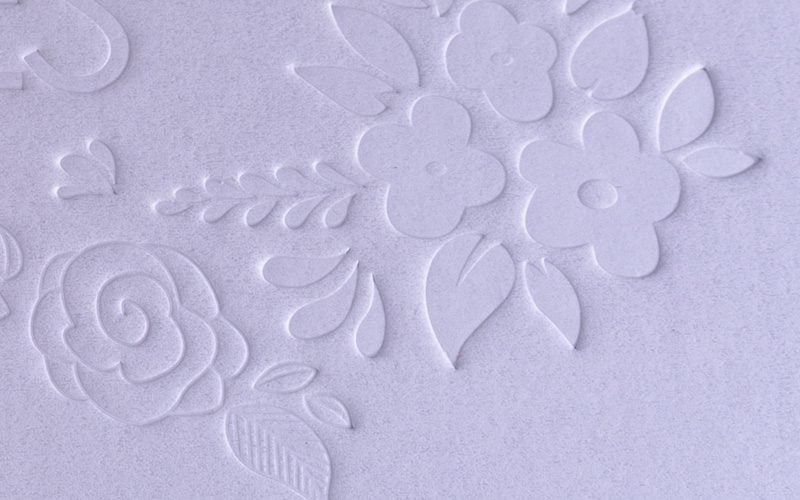
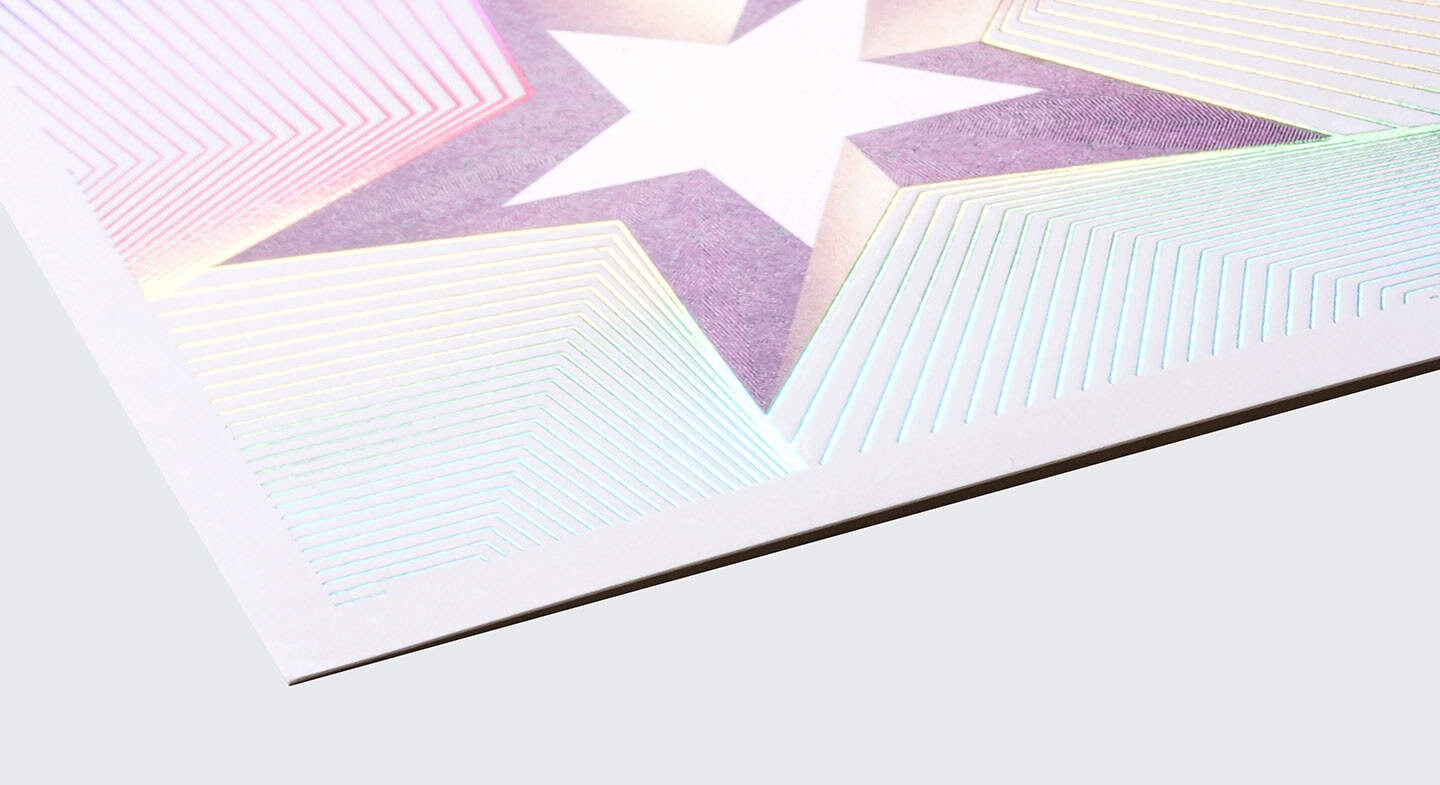
The material accepts overprinting, foil stamping, and embossing techniques, enabling designers to layer additional graphics and textures onto the colored base. Brands benefit from distinctive shelf presence, reduced environmental impact from lower ink usage, and the ability to create cohesive color-coded product lines or seasonal collections with material-level differentiation.

I am a heading
I am a heading
| Column |
|---|