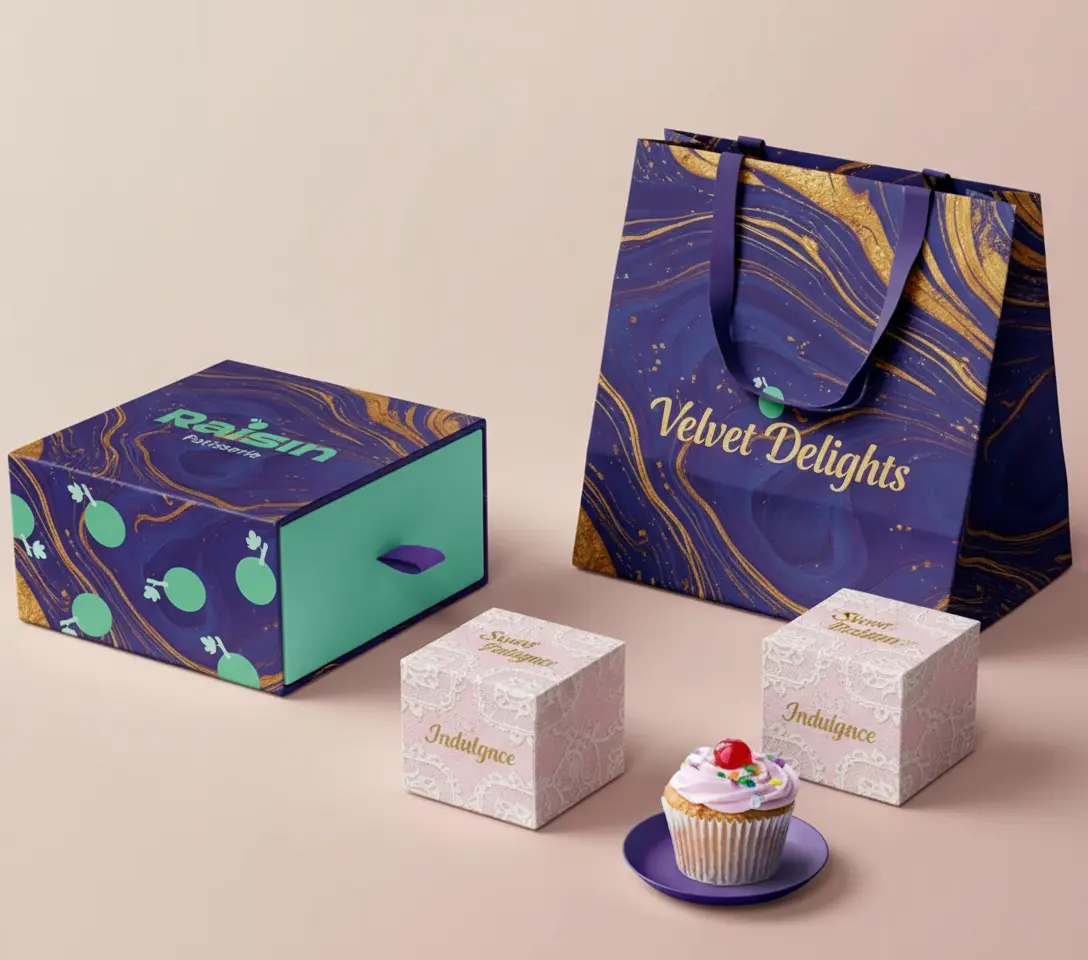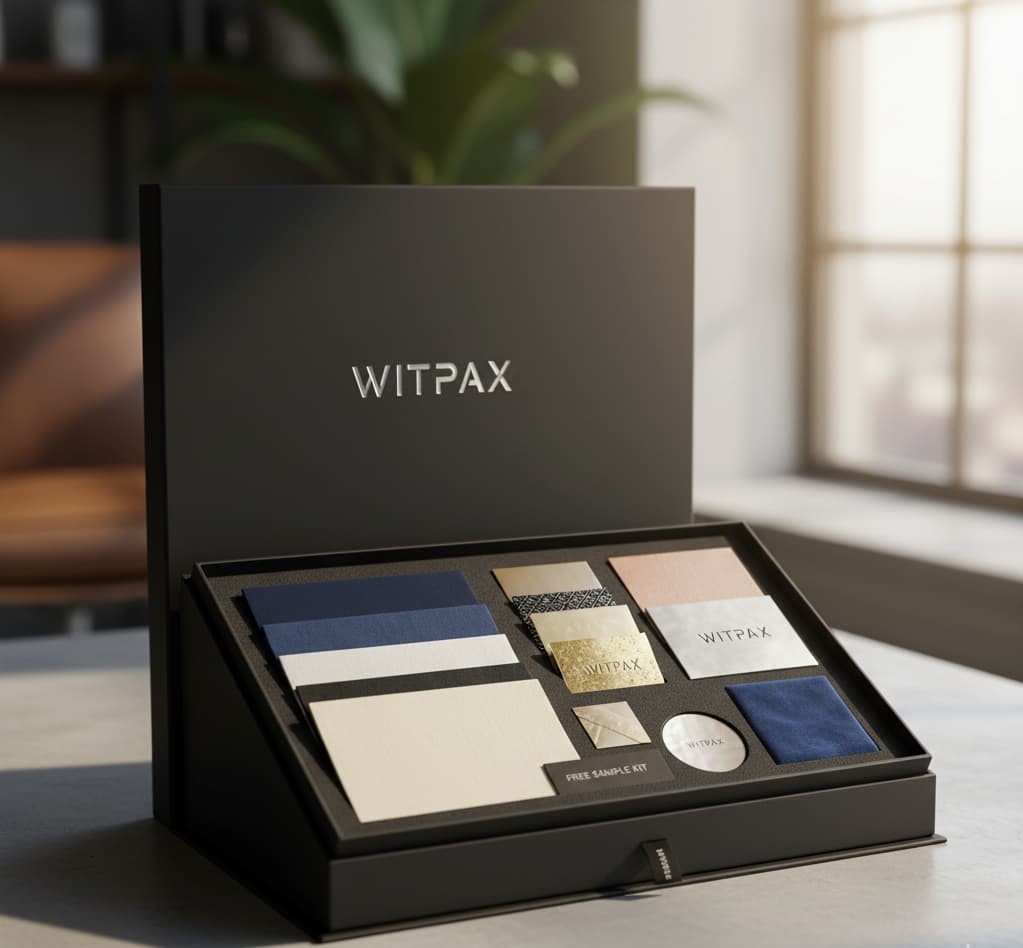
Paperboard is a thick, paper-based material used in packaging to create folding cartons, trays, and retail boxes. It is thicker than standard paper (usually over 0.012 inches or 12 points thick, thicker than standard paper), sturdy, and easy to fold.
Paperboard is important for packaging. It protects products during shipping. It also allows for custom printing. You can add colorful designs, logos, and product information.
The four common types of paperboard are SBS (Solid Bleached Sulfate), CUK (Coated Unbleached Kraft), CRB (Coated Recycled Paperboard), and FBB (Folding Box Board).
What is a paperboard?
Paperboard is a thick, paper-based material made from layers of paper fibers pressed together. It is usually thicker than regular paper, generally over 0.30 mm (0.012 inches or 12 points) in thickness. Paperboard is an important material in packaging because it is strong and folds easily.
What is paperboard made of?
Paperboard comes from softwood (long fiber), hardwood (short fiber), recycled pulp, and a coating. This mix gives it strength, stiffness, and good print quality.
1. Softwood (Long Fiber) like pine and spruce (about 0.13 inches long) is strong and long. It makes paperboards tough and good for uses where high strength is needed.
2. Hardwood (Short Fiber) like birch (about 0.05 inches long) is shorter and stiffer. It helps create a smooth, opaque surface, making paperboard better for printing.
3. Recycled pulp comes from used paper. It is often mixed with new fibers to add strength. It can give paperboard a gray color and is less clean for food use.
4. A coating layer can be added to the paperboard to make it smoother, shinier, and better for printing images and text.
These components are not always used all at once. The mix depends on the paperboard type and its intended use. Softwood fibers and/or hardwood fibers are essential, as they form the base structure. Recycled pulp and a coating layer are optional.
For example, premium packaging uses more hardwood for better print quality. Eco-friendly boxes usually contain recycled pulp. But this pulp must blend with virgin fibers, like softwood and hardwood, to be strong enough.
4 Types of Paperboard
The following are the four types of paperboard used in packaging:
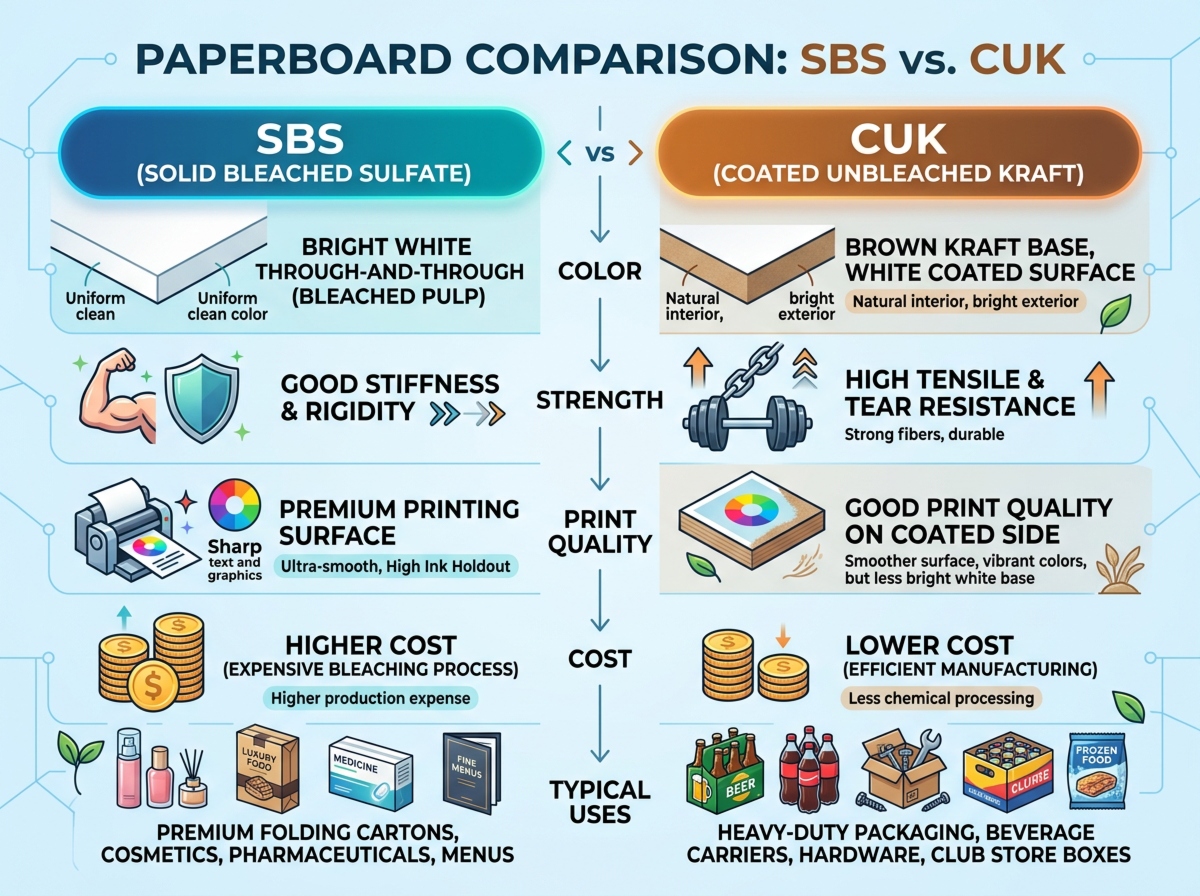
- Solid Bleached Sulfate (SBS) is a top-quality white paperboard. It’s made from bleached virgin fibers. SBS has a smooth surface and great printability. This makes it ideal for high-end packaging and food products.
- Coated Unbleached Kraft (CUK) is a strong, brown-backed board. It’s made from unbleached virgin fibers and has a white coated surface. This makes it perfect for packaging that needs strength and moisture resistance.
- Coated Recycled Paperboard (CRB) is mainly made from recycled fibers. It sometimes mixes in virgin fibers for extra strength. CRB is a budget-friendly choice for dry goods and general packaging. It’s great when high-end graphics aren’t needed.
- Folding Box Board (FBB) is a strong, lightweight, multi-layer board. It combines mechanical and chemical pulps. People like it for its stiffness and clean white look. You often find it in medicine and retail boxes.
- SBS (Solid Bleached Sulfate)
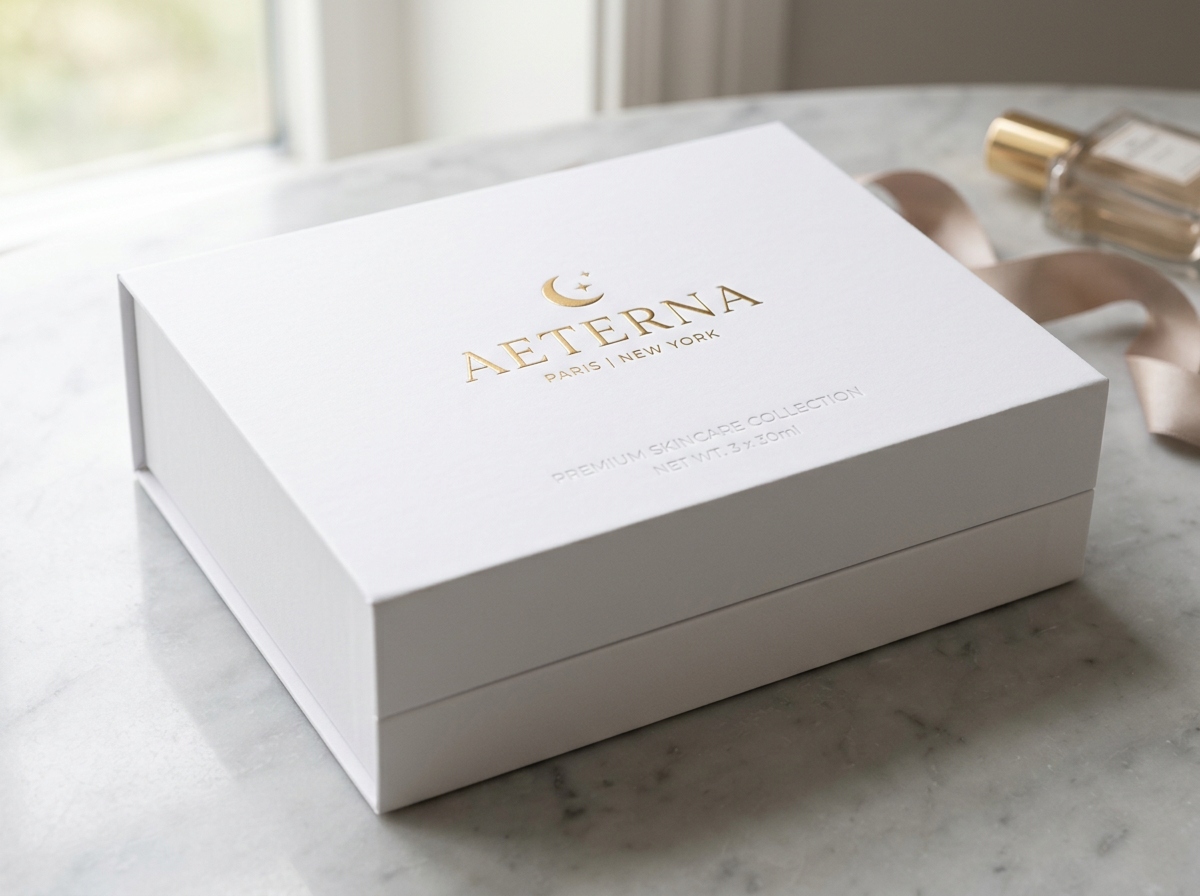
SBS, or Solid Bleached Sulfate, is a premium white paperboard grade made from bleached virgin softwood fibers such as pine and spruce. It has a smooth surface coated with a fine clay or mineral layer on one or both sides. This coating makes SBS great for high-quality printing. SBS offers strong durability while remaining easy to cut and fold.
SBS is widely used for high-end packaging where visual appeal and purity are critical. Common uses are in cosmetics, pharmaceuticals, frozen foods, tobacco, candy, and premium drinks. SBS’s compliance with global food safety regulations such as FDA 21 CFR and EU 1935/2004 makes it suitable for direct food contact packaging.
SBS is more expensive than other paperboard types, such as FBB or CUK, because it uses 100% virgin fibers and a high-quality coating.
- CUK (Coated Unbleached Kraft)
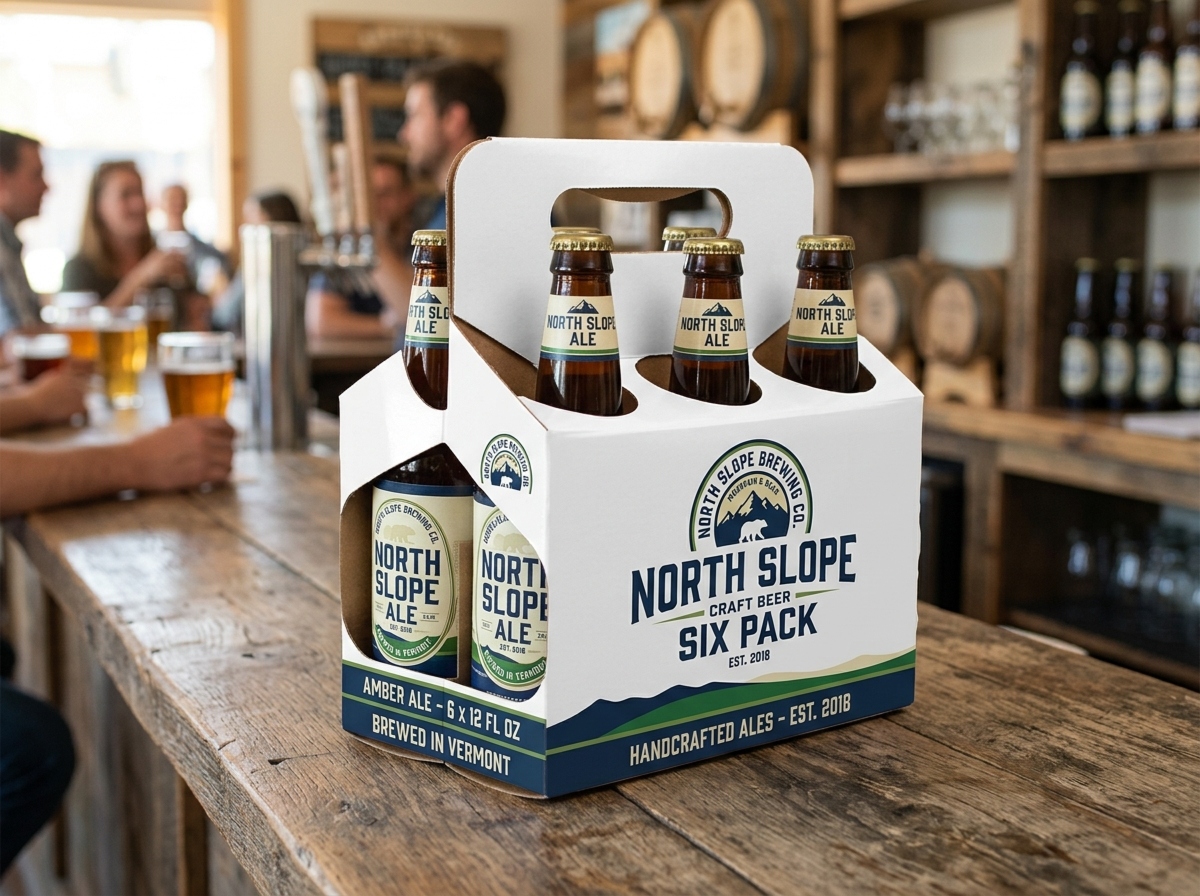
Unlike SBS, CUK is a strong, natural brown paperboard made mainly from unbleached softwood fibers like pine and spruce. Some hardwood fibers are added to the top layer, which is then coated with clay to create a smooth, white surface for printing. The other side has a natural brown kraft surface that is uncoated and rougher. Standard CUK basis weights range from 205–365 gsm, with ISO brightness values of 55–65 on the coated side.
This other side adds strength and durability. It helps protect products during shipping and stacking. But it is not for high-quality printing. CUK is often used when strength is more important than having a bright white look.
CUK paperboard is often used where strength and durability matter. It performs well in tough situations, like refrigeration or high humidity. Those include beverage carriers (such as six-packs for beer and soda), frozen food packaging (such as butter and margarine cartons and yogurt multipacks), and heavier-duty boxes for products such as shoe boxes, toy packaging, and household item cartons.
CUK is generally less expensive than SBS because it uses unbleached fibers and fewer coatings.
- CRB (Coated Recycled Paperboard)
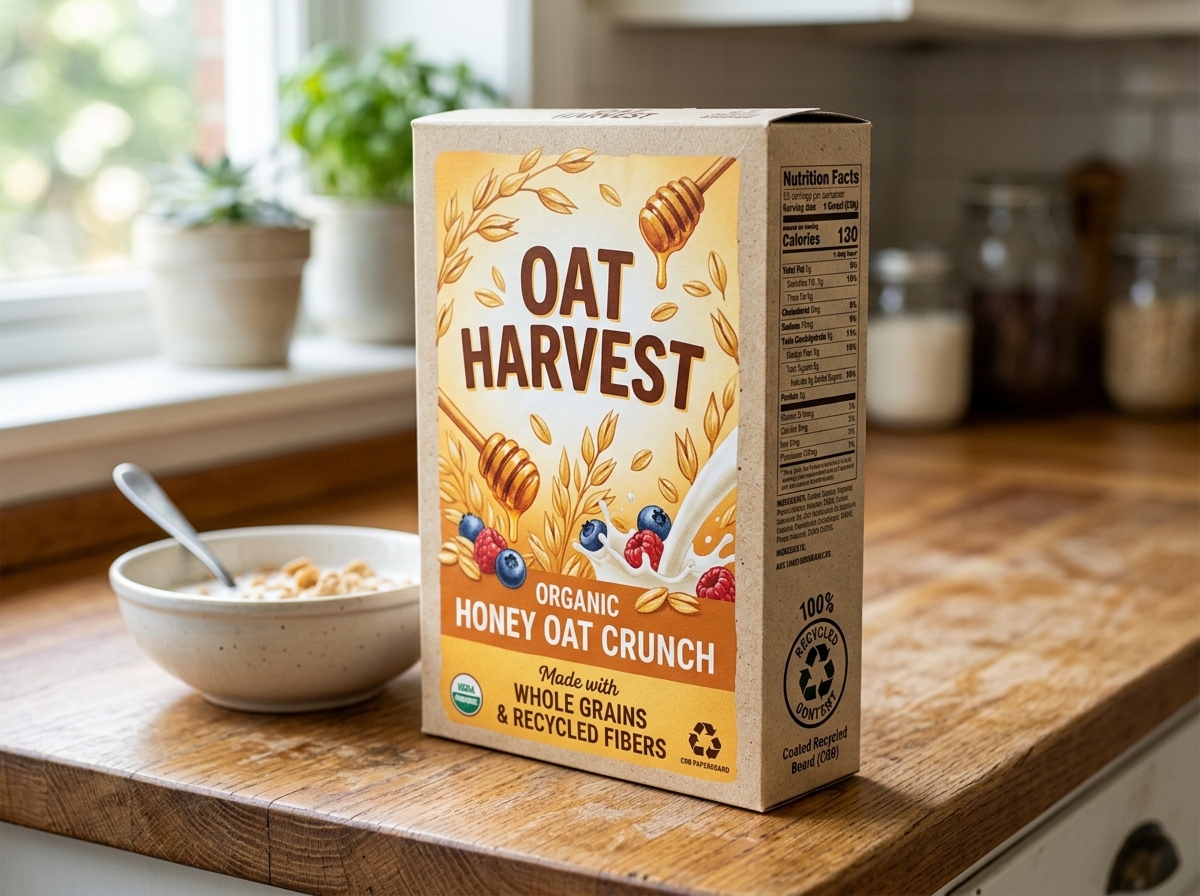
CRB is made primarily from recycled paper fibers, usually blended with some virgin fibers to improve strength. It has a coated white surface for printing. The color of this board grade is often grayish and less bright than boards made from virgin fibers. CRB is a budget-friendly choice for packaging. It works well when high strength and perfect looks aren’t a priority. Because recycled fibers can weaken over time, CRB is not as durable as other paperboards.
CRBs are popular for general packaging because they are cost-effective and sustainable. But, they are used where direct food contact is not required. Common uses are cereal boxes, shoe boxes, tissue boxes, and folding cartons.
- FBB (Folding Box Board)
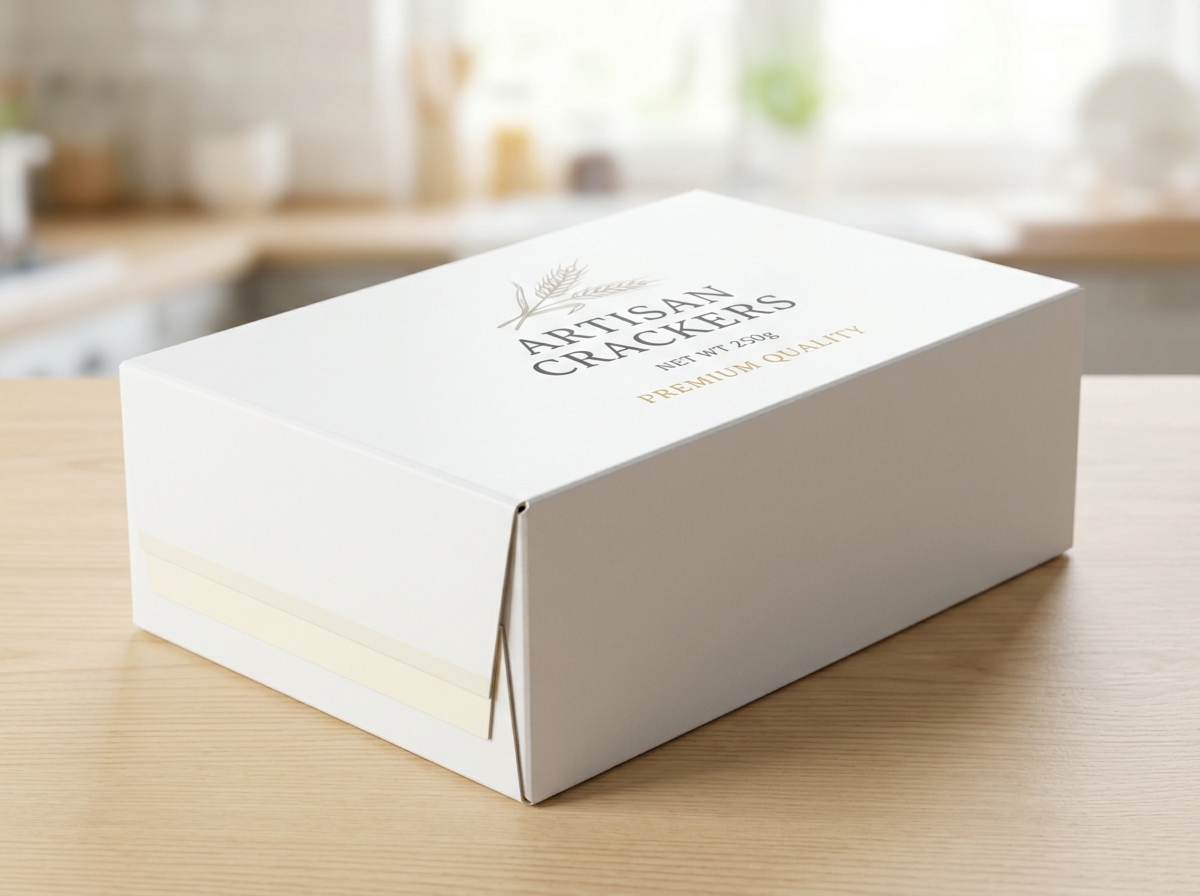
FBB is a multi-layered paperboard grade made by combining long softwood fibers and shorter hardwood fibers. It typically has a white, coated surface for high-quality printing. FBB is known for being lightweight yet strong and stiff, making it suitable for a wide range of packaging needs.
It strikes a good balance between being durable and easy to print. You often find it in food packaging, medicine, and retail boxes. Compared to SBS, FBB is usually more affordable while still providing excellent surface quality and strength.
4 Types of paperboards in a table
Below is the summary of the four types of paperboard and their differences in source, color, printability and common uses.
| Paperboard type | source | Color | Printability | Common uses |
| SBS (Solid Bleached Sulfate) | Bleached virgin softwood fibers | Bright white (inside and out) | Excellent. ideal for high-end printing | Cosmetics, premium food, luxury cartons |
| CUK (Coated Unbleached Kraft) | Unbleached virgin softwood with some hardwood fibers | Brown back, white coated front | Good (printable on coated side only) | Beverage carriers, frozen food, detergents, takeout |
| CRB (Coated Recycled Board) | Primarily recycled pulp; may include minor virgin fiber content | Gray/brown back, white coated front | Fair(basic printing) | Cereal boxes, tissue packaging, shoes, toys |
| FBB (Folding Box Board) | mechanical pulp center with bleached chemical pulp layers | White front and back | Very good( smooth surface for printing) | Pharmaceuticals, cosmetics, food cartons, personal care |
What is paperboard used for in packaging?
Paperboard is used in packaging for a variety of purposes, including:
- Consumer product packaging: used for food and beverage containers, cosmetics boxes, and personal care product packaging.
- Retail and display: used for folding cartons, product packaging, and point-of-sale displays.
- Commercial and industrial packaging: used for linerboard in corrugated shipping boxes and other protective outer cartons.
- Consumer Product Packaging
Paperboard is widely used for food packaging like cereal boxes, frozen food cartons, bakery boxes, and fast food containers due to its rigidity and printability. Beverage carriers, like six-pack holders and juice cartons, gain from its strength and moisture resistance. It is also common in personal care and cosmetics packaging like toothpaste, soap, and makeup boxes for a premium look and sturdy protection.
- Retail and Display
Paperboard is the main material for folding cartons. It can be die-cut, folded, and finished with coatings or embossing. This makes it ideal for packaging products like pharmaceuticals, toys, and electronics. In retail displays, paperboard is used for countertop units and standees. It is lightweight, sturdy, and has excellent printability, making it great for product visibility and appeal.
- Commercial and industrial packaging
A paperboard liner is used in corrugated shipping boxes. It gives a smooth surface for printing and adds strength. It also serves as protective inserts, such as dividers and corner protectors,that cushion items during transit.
What is the difference between paperboard and cardboard?
Paperboard is a thick, stiff paper used for cartons, boxes, and packaging. Cardboard is a broad term for heavy paper materials, like corrugated board and thick paperboard. The differences between paperboard and cardboard are summarized below.
- Construction: Paperboard is a single solid sheet, making it thin and easy to fold for small packages. Cardboard is built from many layers, often with a wavy (fluted) middle, giving it extra strength and thickness.
- Thickness: Paperboard is usually under 1 mm thick, making it lightweight and flexible for folding cartons. Cardboard is much thicker and stronger, making it better for heavy-duty packaging and shipping purposes.
- Strength: Paperboard has moderate strength. It works well for lightweight products like cereal and cosmetics. Cardboard is far stronger and is designed to handle heavy loads, resisting crushing during shipping or stacking.
- Application: Paperboard is used for folding cartons, food boxes, and retail packaging that needs printing and styling. Cardboard works for shipping boxes, moving cartons, and packaging heavy items because of its durability.
- Printability: Paperboard has a smooth surface, making it great for detailed, high-quality printing. Cardboard has a rougher texture, which makes fine printing harder, so it’s usually printed with simple designs or labels.
What is the difference between SBS and FBB?
SBS (Solid Bleached Sulfate) is a high-quality white paperboard. It’s made from bleached virgin fibers and has a smooth, coated surface. In contrast, FBB (Folding Box Board) is made of many layers. It mixes bleached and unbleached fibers, making it lightweight but stiff, with a coated printing surface. The following are the differences between SBS and FBB:
- Materials: SBS (Solid Bleached Sulfate) is made from 100% bleached virgin softwood fibers, giving it strength and purity. FBB (Folding Box Board) mixes bleached softwood and hardwood fibers, making it strong yet slightly less refined.
- Construction/Layer: SBS can be single or multi-ply, fully bleached for a smooth finish. FBB has multiple layers, with a strong inner core and bleached outer layers for durability and printability.
- Appearance and Surface: SBS is pure white with an extra-smooth surface, perfect for high-end printing and vibrant graphics. FBB is also white and coated but slightly less bright, offering stiffness and cost efficiency for everyday packaging.
- Application: SBS is used for luxury packaging, cosmetics, medicines, and premium food items where appearance matters most. FBB is commonly used for food cartons, pharma boxes, and general consumer goods packaging.
Is paperboard recyclable?
Yes, paperboard is recyclable. Most paperboards can be collected, sorted, and processed to make new paper products. Clean paperboard, like boxes without food stains or heavy coatings, is easier to recycle.
Used paperboard is collected and sorted at recycling centers. It is broken down into fibers, cleaned, and formed into new sheets. Virgin fibers are sometimes mixed in to maintain strength. The recycled pulp is used to produce new boxes, cartons, and other sustainable packaging products.
Is paperboard waterproof?
No, standard paperboard is not waterproof. It can absorb moisture and weaken when wet. This is why plain paperboard is not suitable for packaging liquids or damp items.
Manufacturers apply special coatings such as wax, plastic films, or water-repellent layers. Some paperboards are laminated with thin plastic or foil to resist moisture and grease. These treatments make paperboard water-resistant, but not always 100% waterproof, because water can still seep through edges, seams, or damage over time.