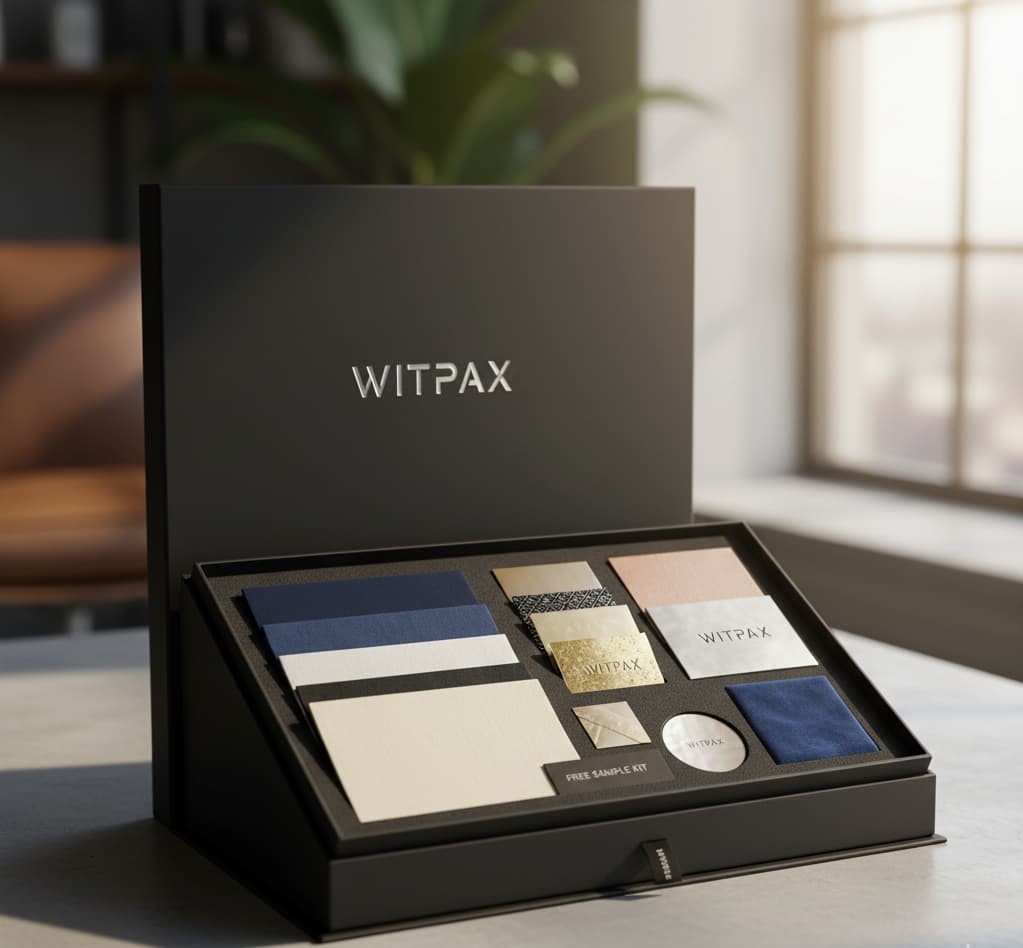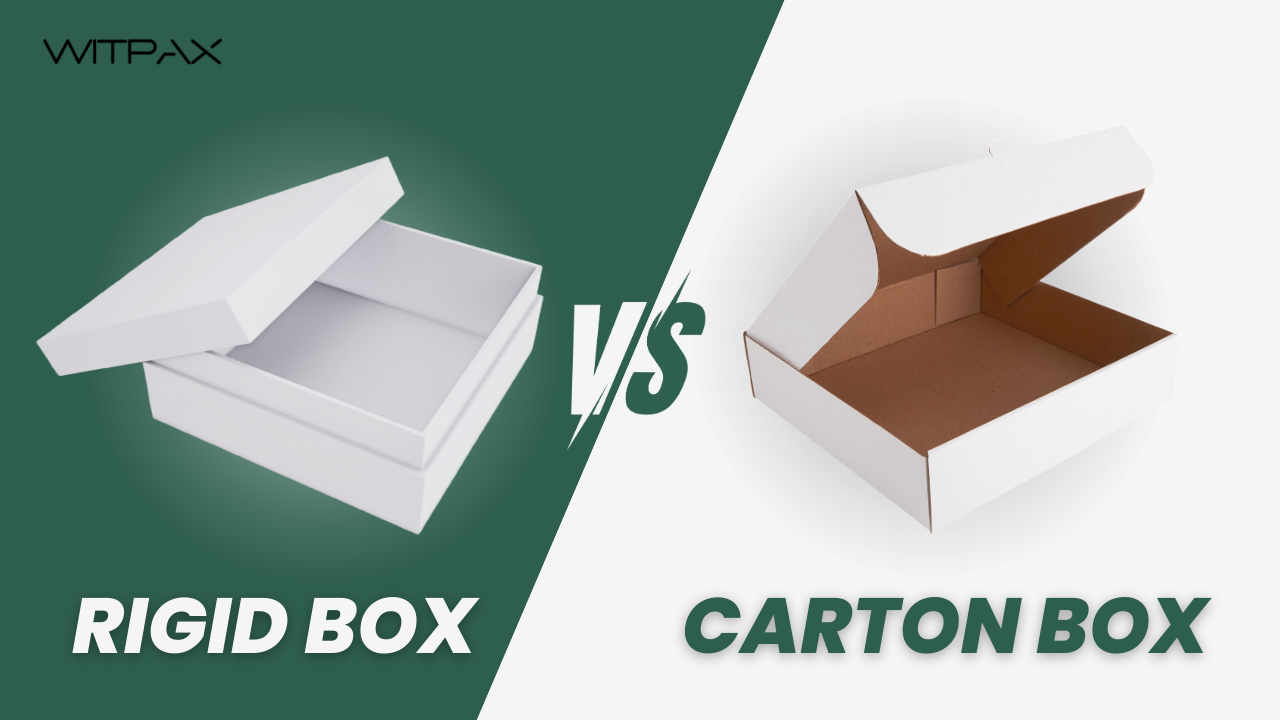
Rigid boxes are pre-assembled packaging composed of thick chipboard. Folding cartons are lightweight, collapsible boxes made from paperboard for efficient, high-volume packaging. Rigid boxes and folding cartons differ in how they are made, used, and how much they cost. Rigid boxes are strong and look high-end. Folding cartons are flexible and more affordable.
What Are Rigid Boxes?
Rigid boxes are strong, pre-assembled boxes made from thick chipboard. Rigid boxes are also known as setup boxes or gift boxes. The chipboard is typically wrapped in fabric, printed paper, or other materials and ranges in thickness from 1.5 to 3 mm.
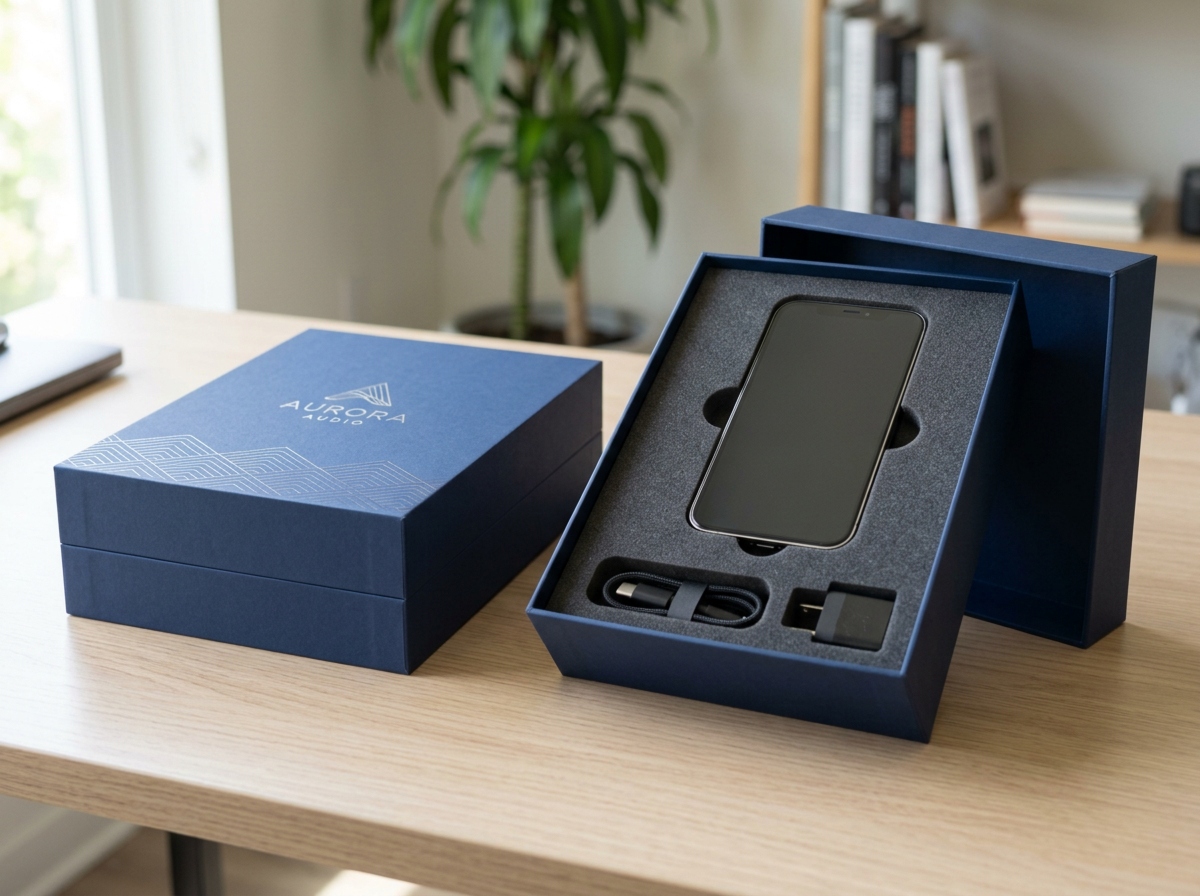
Rigid boxes keep their shape and do not fold or collapse. Set-up boxes are built to hold heavy or fragile items to protect the product inside and often include extra features like magnetic closures, ribbon pulls, or foam inserts.
Rigid boxes are used for luxury items, electronics, cosmetics, and corporate gifts. Set-up boxes’ build and surface allow for premium printing finishes like foil stamping, embossing, or soft-touch lamination. Rigid boxes can also be reused by customers for display or storage.
What Are Folding Cartons?
Folding cartons are lightweight, collapsible boxes made from 0.3 mm to 0.6 mm paperboard and are commonly used for consumer goods such as food, cosmetics, and pharmaceuticals. They are also referred to as paperboard cartons or paperboard boxes. Folding cartons use FBB and CRB multi-ply boards. Folding cartons get die-cut, scored, and folded into shape during assembly.
Folding cartons are designed for flexibility and space efficiency. They are produced flat, shipped flat, and folded into form at the point of use. The carton is printed before cutting and creasing. This helps with quick production and allows for brand customization.
What Are the Differences Between Rigid Boxes and Folding Cartons?
The differences between rigid boxes and folding cartons are material and construction, durability, structure, appearance, application, cost, and eco-friendliness.
Material & Construction Differences Between Folding Cartons and Rigid Boxes
Folding cartons are made from paperboard and folded into shape, while rigid boxes use thick chipboard and are produced in a fixed form.
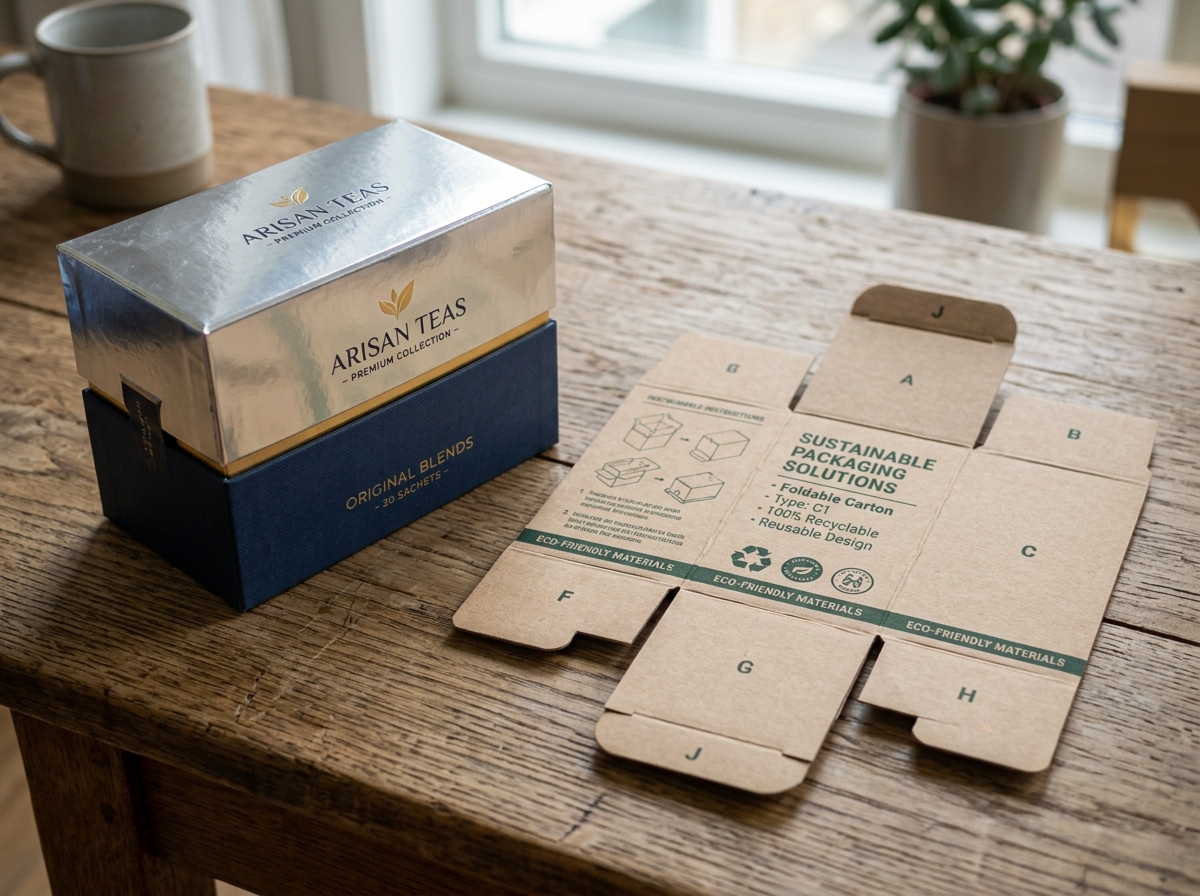
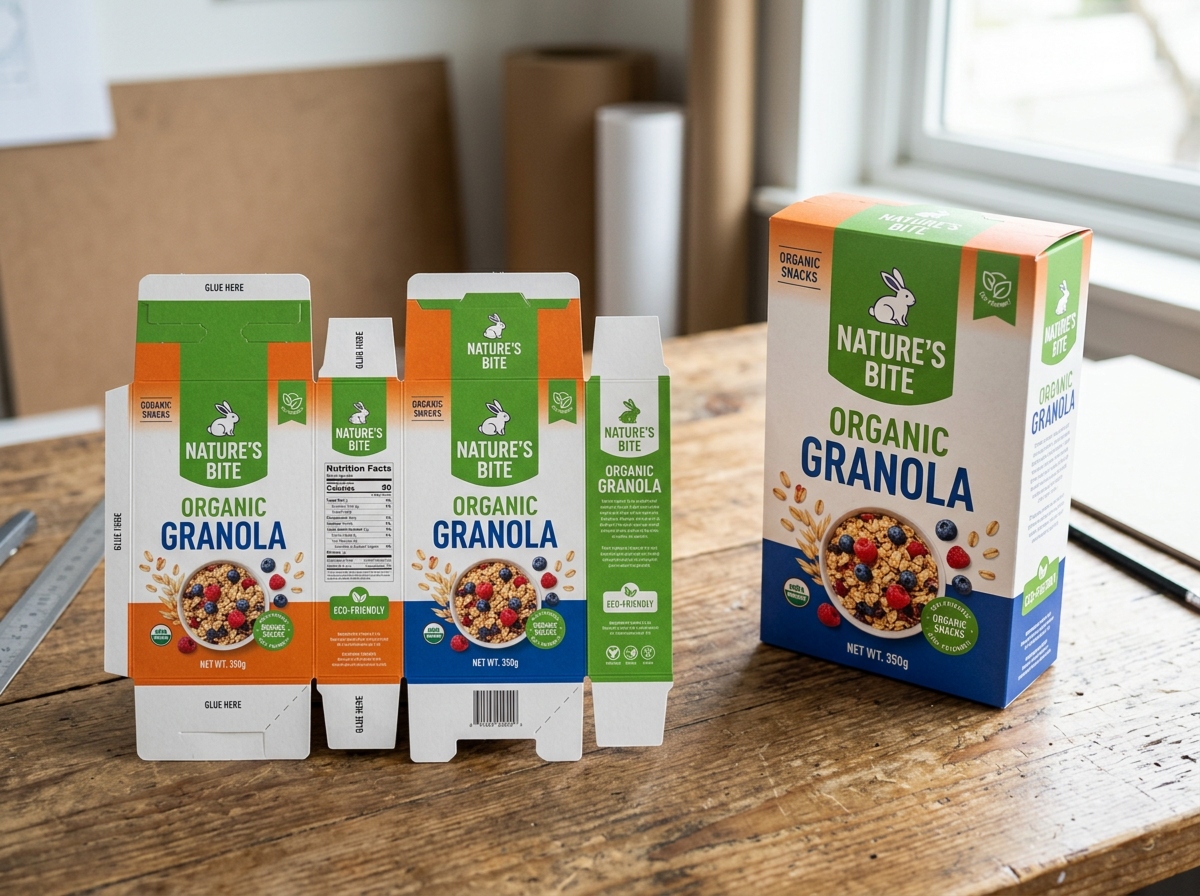
Folding cartons are printed, cut, and scored for folding during packaging. They are shipped flat and assembled with glue or tuck flaps. Rigid boxes are made from chipboard panels which are covered with paper and glued together to form a permanent and strong structure. Folding cartons are quick to produce and easy to store and rigid boxes offer a sturdy shape that works well for upscale displays.
[Folding carton flat layout beside an assembled rigid box, showing differences in construction.]
Durability Differences Between Folding Cartons and Rigid Boxes
Rigid boxes maintain their shape during handling and stacking, while folding cartons are flexible and designed for lighter use.
Rigid boxes resist pressure and hold their shape. This makes rigid boxes great for packaging that can be reused or displayed. Under weight or impact, folding cartons may bend or crease and have a lower impact resistance. With additional protection, such as corrugated shipping boxes, folding cartons function well. Durability depends on how the packaging is applied. Folding cartons fit into multi-layer systems. Rigid boxes often function as both primary and presentation packaging.
Structure Differences Between Folding Cartons and Rigid Boxes
Rigid boxes arrive pre-assembled and ready to use, while folding cartons are shipped flat and require folding or gluing before use.
Rigid boxes are pre-assembled and ready-to-use. The fixed construction holds shape and offers strong retention, making them useful for storage or display. Many rigid boxes also include internal supports such as foam inserts, trays, or compartments. Folding cartons are flat-packed and need folding or fixing along scored lines before use. The collapsible build saves space in shipping and storage. Folding cartons may include partitions or die-cut inserts made from the same board, added during packing.
Appearance Differences Between Folding Cartons and Rigid Boxes
Rigid boxes feature a wrapped finish with a structured appearance, while folding cartons are printed directly on paperboard and show visible creases and folding lines.
Rigid boxes have a separate outer wrap over the chipboard. Rigid boxes have clean edges and smooth surfaces as a result. Set-up boxes’ design suits a variety of finishing methods, including lamination, foil stamping, and embossing. Rigid boxes have a sturdy feel and consistent look, making them a common choice for high-value packaging. Folding cartons are printed directly on the board before being cut and folded. High-resolution printing is supported, although the board and coating chosen will affect the final appearance. Because they are lightweight, folding cartons feel more flexible and less dense in hand.
Application Differences Between Folding Cartons and Rigid Boxes
Rigid boxes are used for high-end products that require additional protection, while folding cartons are used for retail packaging and light consumer goods.
Folding cartons are used for pharmaceuticals, cosmetics, personal care items, and food products such as snacks, cereals, and frozen meals. Folding cartons are also used for high-volume packaging such as unit cartons, product sleeves, and retail displays. Electronics, jewelry, perfume sets, subscription kits, luxury goods, and business gifts are all packaged in rigid boxes. For high-end products where product protection, presentation, and unpacking are crucial, rigid boxes are utilized.
Cost Differences Between Folding Cartons and Rigid Boxes
Folding cartons cost less than rigid boxes for materials, production, and shipping.
Folding cartons use less paperboard and are manufactured on high-speed machines, they require less assembly, which lowers their material costs. When shipped flat, they also save money on storage and shipping, and for small quantities, digital printing makes customization reasonably priced. Rigid boxes require more expensive materials because they use thicker layers of chipboard and wrap. Their pre-assembled form necessitates more storage and shipping space, and labor costs are increased by manual or semi-automated assembly. Production costs are further increased by custom finishes like foil stamping, lamination, and inserts.
Eco-Friendliness Differences Between Folding Cartons and Rigid Boxes
Folding cartons are recyclable and support circular economy models, while rigid boxes are often reused but face recycling challenges due to mixed materials.
Because they are made of biodegradable fibers and require 20–40% less material than rigid boxes, folding cartons use fewer resources during production and transit. Rapid re-entry into the circular economy is made possible by high turnover and short lifecycles. Reusing rigid boxes has a greater environmental impact because they are made of thicker chipboard, typically 2–3 mm. The effectiveness of material recovery is decreased by mixed materials like magnets, ribbons, and laminated wraps. does not take place. Rigid boxes are difficult to recycle, but they can be reused as gifts or for storage.
Summary Table: Folding Cartons vs. Rigid Boxes
| Comparison Factor | Folding Cartons | Rigid Boxes |
|---|---|---|
| Construction | Single-layer paperboard; flat-packed and folded during use | Multi-panel chipboard; pre-assembled structure |
| Material Thickness | Typically, 0.3–0.6 mm (equivalent to 12–32 pt board) | Typically, 2–3 mm thick (36–120 pt chipboard) |
| Structure | Collapsible, requires folding/gluing | Fixed, ready-to-use on arrival |
| Durability | Flexible; suited for light-to-moderate protection | Rigid; maintains shape and supports heavier items |
| Appearance | Printed directly on board; visible folds and tabs | Wrapped surfaces; clean edges; supports specialty finishes |
| Common Applications | Food, pharmaceuticals, personal care, retail packaging | Electronics, cosmetics, luxury goods, gift sets |
| Material Efficiency | Lightweight; lower material usage per unit | Denser; uses more material per unit |
| Assembly & Storage | Shipped flat; assembled as needed | Shipped assembled; requires more storage volume |
| Customization Options | Digital/offset printing; basic die-cuts | Embossing, foil stamping, inserts, lamination |
| Recyclability | Widely recyclable; compatible with standard recycling processes | Recyclable if disassembled; limited by mixed materials |
| Lifecycle | Short-term use; fast turnover in circular economy | Often reused; longer lifespan but recycling complexity |
| Cost Efficiency | Low per-unit cost; ideal for high-volume production | Higher per-unit cost; suited for low-to-mid volume premium packaging |
What Are the Advantages of Folding Cartons When Compared to Rigid Boxes?
The advantages of folding cartons include cost-effectiveness, versatile printing, space-efficient, eco-friendliness, and faster turnaround.
Cost-Effective: Folding cartons require less material than rigid boxes because they use 0.3–0.6 mm paperboard.
Versatile Printing: Folding cartons support offset and digital printing directly on paperboard.
Space-Efficient: Folding cartons reduce warehouse volume by up to 80% by shipping and storing flat.
Eco-Friendliness: Folding cartons use paperboard fibers that are recyclable that repulp efficiently in standard recycling systems.
Faster Turnaround: Folding cartons combine cutting, printing, and creasing in one streamlined process.
What Are the Advantages of Rigid Boxes When Compared to Folding Cartons?
The advantages of rigid boxes include durability and protection, premium appearance, customization, and brand perception.
Durability & Protection: Rigid boxes are built from 2–3 mm thick chipboard panels that provide protection for high-value items during storage, handling, and display.
Premium Appearance: Rigid boxes feature wrapped surfaces enable premium finishes such as embossing, foil stamping, and lamination.
Customization: Features like ribbon pulls, foam inserts, or magnetic closures can be added to rigid boxes.Brand Perception: Luxury goods like jewelry, electronics, and perfumes are frequently packaged in rigid boxes for branding and protection purposes.