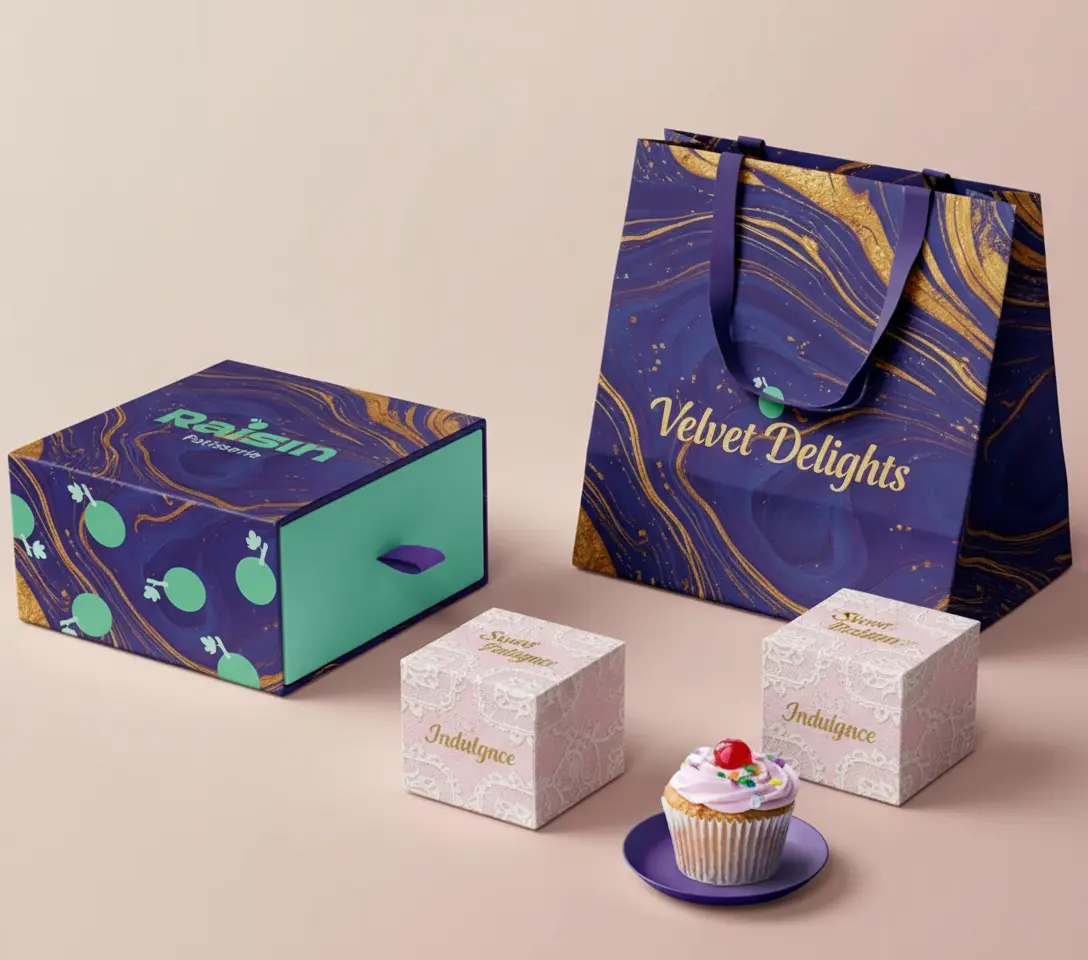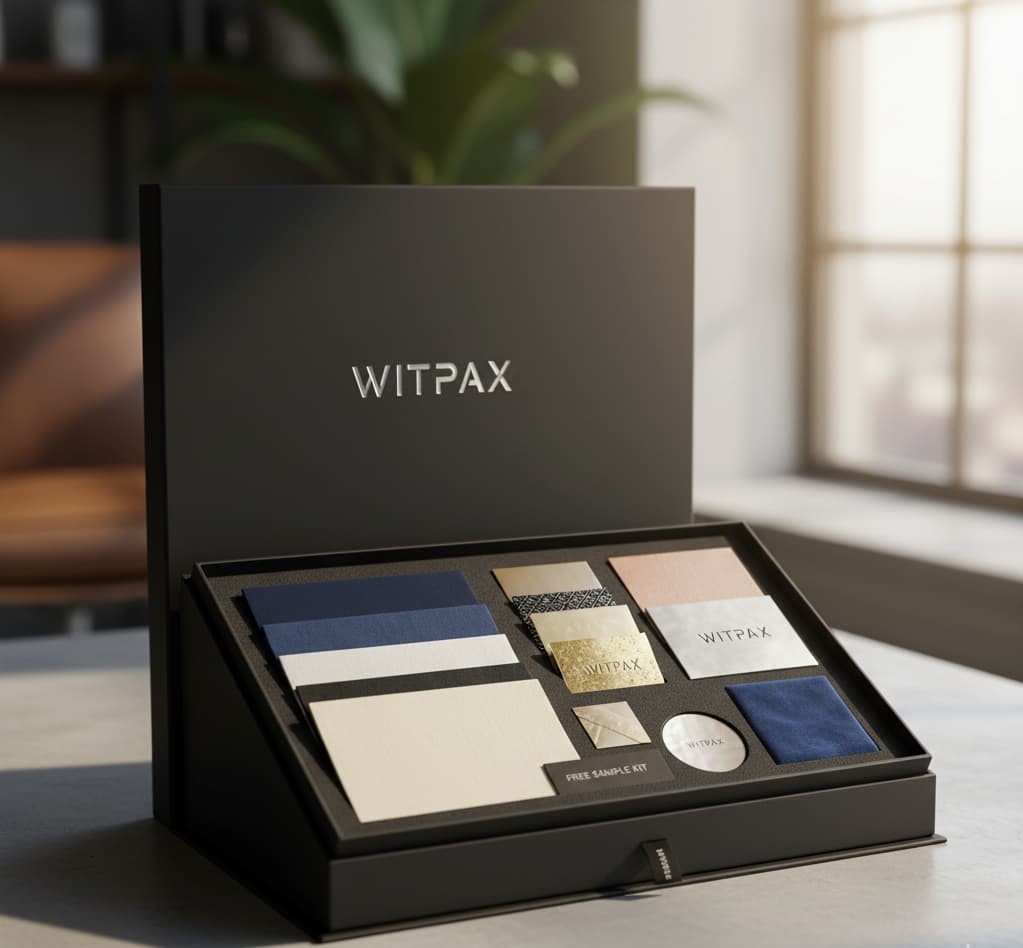
Brand packaging is the process of creating a packaging of a product that communicates brand’s identity and values. Brand packaging not only holds and protects the product as normal packaging does. It also acts as a communication tool that makes your brand stand out and connect with customers.
Brand packaging uses six key elements to tell a brand story. Those branding elements include primary and secondary packaging, label stickers, protective materials, branding elements, and interactive features.
Brand packaging elevates brand differentiation and expresses brand identity. Packaging with branded design increases online brand visibility.
Creation of an effective brand packaging involves the following 4 steps. Those include defining brand strategy, developing visual elements, choosing packaging structure, and prototyping and testing.
What is brand packaging?
Brand packaging is a way of designing a product’s packaging that is unique to a specific brand. This kind of packaging reflects the brand’s mission, values, and personality. Brand packaging is not just about aesthetics, it is more about building a strong recognizable brand.
According to a 2024 article by packaging of the world, using logos, brand color, and consistent design create a unified brand image. When customers see the same visual elements on the packaging many times, they become familiar with the brand. Hence, enhance customer loyalty and trust to the brand.
Key Elements of Brand Packaging
Brand packaging uses six key elements to communicate your brand story. These elements protect the product, share useful information, and build brand awareness. When creating branded packaging, ensure brand consistency across all the elements. This is because brand consistency increases brand recognition, and builds customer loyalty.
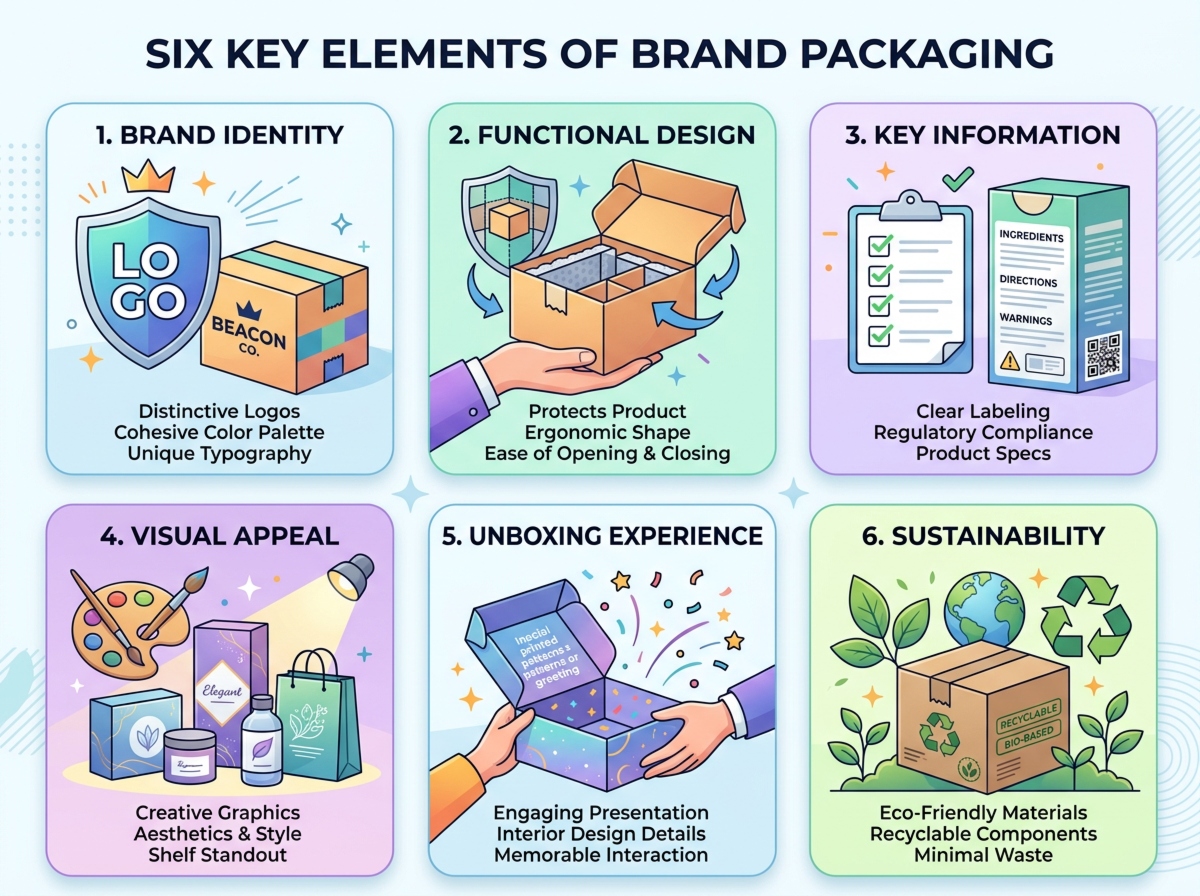
- Primary packaging is the layer that comes into contact with the product. Perfume bottles, cookie jars and candy wrap are examples of primary packaging. In brand packaging, this layer carries the brand’s logo, colors, and design style.
- Secondary packaging is the outer layer that groups and protects primary packages. Examples include boxes, sleeves, or bags. In brand packaging, this layer offers space for logos, colors and design, storytelling elements like QR codes and taglines.
- Label stickers carry product information like ingredients, usage instructions and expiry dates. label stickers combine information with branding. label stickers contain brand logo, color or design to ensure consistency.
- Protective materials include inserts, padding, or wraps that prevent damage during shipping. They ensure that the product reaches the destination in good condition. This enhances customer satisfaction.
- Branding elements include logos, colors, typography, and design patterns on the packaging. These elements help customers recognize your brand once they see it. Branding elements in other words builds customer loyalty.
- Interactive elements include QR code, AR scans, and pull tabs. They allow customers to connect with the brand beyond the product itself. For example a QR code that leads to a business page or a special promotion. Interactive elements create a fun and lasting experience for the customers.
Why is Brand Packaging Important?
Brand packaging is important in four main ways:
- Elevate Brand differentiation: makes the product stand out in a competitive market.
- Express Brand identity: Shows brand’s personality and values through design elements.
- Increase Online visibility: Encourages customers to share unboxing experiences, making the brand popular.
- Foster customer loyalty: Builds trust and positive impression, encouraging repetitive purchases.
- Elevate Brand Differentiation
In a competitive market, brand packaging makes your product stand out. Unique designs, colors, and shapes catch customers’ attention. Creative materials make your product easy to recognize among many others. Brand packaging helps customers remember your brand, even if they don’t buy right away.
- Express Brand Identity
Brand packaging shows what your brand stands for. The colors, materials, typography and design communicates your brand’s personality and values. This is whether the brand is fun, luxurious, or eco-friendly. For example, Starbucks uses kraft paper bags and recyclable cups to show its commitment to sustainability. By using the same visual elements across all packaging, the brand enhances brand identity. This helps customers to immediately recognize your brand.
- Increase Online Visibility
Creative brand packaging encourages customers to share their experience online. This can be through posting unboxing videos, showing how to use the product, or through other ways. By creating a brand packaging that pleases customers, brands create what people would like to share. This helps more customers discover the brand and increases its visibility online.
- Foster Customer Loyalty
Brand packaging builds trust by creating a positive first impression. A 2021 survey by Ipsos showed that 72% of American shoppers said packaging design affects their purchasing decisions. This shows that packaging often influences purchases more than price or reviews. When packaging is well designed, functional, and consistent, it attracts customer attention. Aside from that, it also shows that the brand cares about quality. This first impression builds trust and over time, trust turns into loyalty. Shoppers will likely buy from that same brand because they trust it to deliver quality.
How to Create Effective Brand Packaging
Here are the four key steps to create branded packaging:
- Define Your Brand Strategy
- Develop Visual Elements
- Choose Packaging Structure
- Prototype & Test
- Start Production
1. Define Your Brand Strategy
What is a brand strategy?
Brand strategy is the plan for how you want people to see your business. It helps your packaging reflect your brand’s style and message. This way, customers can recognize you right away.
Why is brand packaging important for packaging?
Packaging is the first physical connection a customer has with your brand. Clear and attractive branding boosts confidence and encourages repeat purchases.
To define your strategy:
- Find out who your target audience is. Who are you selling to? What do they like, need, or care about?
- Define your brand personality and values. Are you fun, serious, bold, simple, or natural? These characteristics will guide your choice of colors, typography, and materials.
- Pick a name that fits. Your brand name should match your style and look good on packaging and ads.
- Keep everything consistent. Make sure your website, social media, and packaging all have the same look and feel.
2. Develop Visual Elements
Your visual identity is the face of your packaging. Use consistent design across all products.
- Typography: Choose fonts that match your brand’s personality. Bold for strength, script for elegance, and sans serif for simplicity.
- Color scheme. Colors trigger emotion. Blue for trust, red for excitement, green for eco-friendliness, black for luxury.
- Logo. Make sure your logo is clear, scalable, and looks great in print. It should stand out on the package without overpowering it.
- Graphics. Use patterns, shapes, or illustrations to create a memorable look. Keep it clean and purposeful.
- Messaging. Includes product details or short stories that show your brand voice and values.
3. Choose Packaging Structure
Choosing effective packaging structure involves these key steps:
- Select materials. Choose materials based on product type and brand values. Kraft paper works well for sustainable packaging brands. Rigid boxes are great for luxury items.
- Choose a packaging style. Pick a packaging type that fits your product and brand. Mailer boxes work well for e-commerce. Folding cartons are often used for cosmetics or food.
- Select the finish. A finish is the last surface treatment or coating on the packaging’s outside. Choices include matte, glossy, foil stamping, and embossing.
4. Prototype & Test
Test your packaging to ensure that it works before mass production.
- Partner with an expert manufacturer. Work with an expert like WitPax. At Witpax, we provide custom solutions that fit your brand.
- Check usability: Test how easy it is to open, reseal, store, or carry.
- Collect feedback: Ask customers or focus groups for opinions.
5. Start Production
Once you are done with designing and testing, move to full-scale production. Here are what to do at this step:
- Collaborate with manufacturers to ensure quality and consistency.
- Track production runs to avoid errors.
- Ensure brand consistency across all packaging.
Best 5 Packaging Design Agencies
The following are top five packaging design agencies that create unique brand packaging. These agencies are popular for creating packaging that reflects brands identity.
- Slice Design: Strategic and Creative Packaging Experts
Slice Design, based in London, helps brands create impactful and innovative packaging solutions. Since 2004, they have collaborated with startups and major brands. They focus on food, beverages, personal care, and home goods.
- Sweety & Co – Bold Packaging for Wellness & Gourmet Brands
This agency is known for its clean and bold packaging. They specialize in the food, health, and wellness industries. Sweety & Co. combines creativity with functionality to create remarkable brands and elevate packaging design.
- Stranger & Stranger – World-Class Beverage Packaging
Stranger & Stranger focuses on packaging for drinks, such as wine and spirits. It also covers other consumer products. Their work is globally recognized for its detail and storytelling. Stranger & stranger is often included in the rankings of the top packaging design firms.
- Pearlfisher – Design Thinking for Global Brands
Pearlfisher is a global creative agency that blends innovation with strategy. They have partnered with startups and big global brands. Pearlfisher creates packaging that shows bold identities and strong futures.
- Depot Creative – Award-winning, customer-focused design
Depot Creative, based in Australia, is known for imaginative and award-winning packaging solutions. They cover many industries, like beauty and food.
FAQ
- What is a branding package?
A branding package is a complete set of visual and design elements that represent your business. A branding package creates a consistent look for everything customers see. Its purpose is to build recognition, trust, and connection with your audience. The branding package has key elements: the logo, color palette, typography, and messaging.
- How do I choose the right materials for brand packaging?
Here’s a simple guide to help you choose the right materials.
- Start with your brand identity. Start by considering your brand identity when selecting packaging. It should show whether you value luxury, being eco-friendly, simplicity, or innovation.
- Understand your product’s features. Think about your product’s features. Consider its size, shape, weight, fragility, and shelf life.
- Think about shipping and durability. Consider shipping needs and durability. For long or rough delivery routes, choose materials that protect your product well.
- Work within your budget. Your budget also plays a big role. Some materials are more affordable than others, so you have to balance cost with quality.
Consider sustainability goals as a final thought. Using sustainable packaging, like recycled cardboard or biodegradable materials, helps reduce waste.