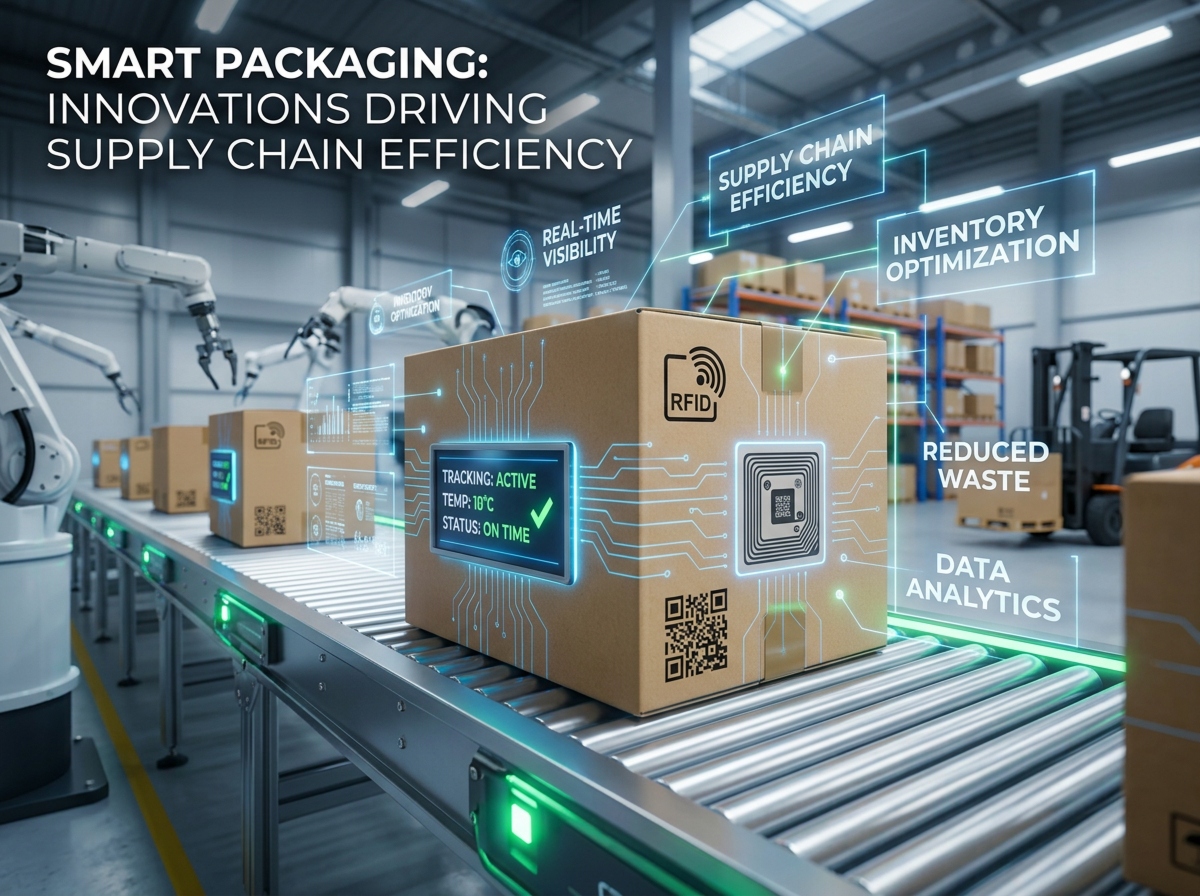
Smart packaging changes how products share information, stay safe, and connect with people. It adds simple technology to regular packages to do more than hold an item. This shift helps brands track goods, protect quality, and offer clear details at the right time.
Smart packaging is packaging that uses tools like QR codes, sensors, and digital tags to monitor products, share data, and support better decisions. These features can confirm freshness, prove authenticity, and link packaging to digital content. The package becomes an active part of the product experience.
As smart packaging grows, companies must understand how it works, where it fits, and what value it brings. The topic covers the tools behind it, the benefits and limits, and how brands can move from traditional packaging to smarter options.
What Is Smart Packaging?
Smart packaging uses digital features to make packaging more useful than a simple container. It adds tools like QR codes, sensors, and NFC tags to share data, track items, and support product safety.
This approach supports interactive packaging, where people scan or tap a package to see product details, care tips, or alerts. Brands use it to improve clarity and reduce confusion at the point of use.
Smart packaging also includes connected packaging. It links the package to digital systems so companies can track location, check freshness, or confirm authenticity during shipping and storage.
Smart packaging design focuses on how these features fit into the package without harming function or cost. Designers plan where to place tags, how users scan them, and how data stays accurate over time.
Common elements include:
- QR codes for access to online information
- Sensors to monitor temperature or time
- RFID or NFC for tracking and verification
| Feature | Purpose |
| QR code | Shares product data |
| Sensor | Tracks condition |
| NFC/RFID | Enables secure access |
Industries like food, health, and retail use smart packaging to protect products, cut waste, and improve communication across the supply chain.
How Does Smart Packaging Work?
Smart packaging uses packaging technology to add digital features to a package. It blends packaging design with digital identifiers that store or send data. These features help brands track products and inform buyers.
Many systems rely on smart labels with QR codes, NFC tags, or RFID tags. A phone scan or tap uses near-field communication to open digital content. This content can include product details, care steps, or brand updates.
Some packages include sensors that watch product conditions. Temperature sensors, freshness sensors, and time-temperature indicators support real-time condition monitoring. They help with temperature control and show when food stays safe to use.
Other features protect products and build trust. Tamper-evident seals show if someone opened the package. Freshness indicators change color to signal spoilage. These tools support safety and quality checks.
Smart packaging also connects to IoT devices through IoT integration. This link supports tracking, alerts, and supply chain data. It improves planning and reduces waste.
Some brands add augmented reality to boost customer engagement. Scans can launch videos or guides that improve customer experience and consumer engagement.
Common smart packaging tools
| Tool | What it does |
| QR codes | Link to digital content |
| NFC / RFID | Identify and track items |
| Sensors | Monitor temperature and freshness |
| Smart labels | Combine data and visuals |
Types Of Smart Packaging Technologies
Smart packaging uses tools that either change the package environment or provide clear data about product condition. The two main approaches focus on control and monitoring, each serving different product needs.
Active Packaging
Active packaging changes conditions inside the package to protect the product. It uses added components that react with air or moisture rather than staying passive. This approach helps food, medicine, and sensitive goods last longer.
Common tools include oxygen absorbers and oxygen scavengers. These remove oxygen to slow spoilage and color change. Moisture absorbers control humidity to reduce mold and clumping. Some packaging materials also release antimicrobial agents to limit bacteria growth on surfaces.
Manufacturers embed these features into packaging materials like films, sachets, or labels. The package works continuously without user action.
Intelligent Packaging
Intelligent packaging monitors the product and shares information. It does not change the environment. It tracks condition, location, or freshness and then reports status to users.
Examples include time–temperature indicators, freshness sensors, and QR codes. These tools show if a product faced heat, delays, or tampering. Some systems use color changes that signal spoilage in clear terms.
Typical functions include:
- Tracking temperature history
- Showing freshness status
- Providing digital product data
Intelligent packaging helps supply chains act faster. It also helps buyers make informed choices at the point of sale.
Applications Of Smart Packaging
Smart packaging applications support safety, tracking, and user engagement across many industries. These packaging solutions use sensors, codes, and connected features to protect products, reduce waste, and share clear data.
Food And Beverage Packaging
Food packaging uses smart features to protect freshness and cut spoilage. Time and temperature indicators show if food stayed within safe limits during storage and transport. Gas sensors detect changes inside sealed packs, which helps spot spoilage early.
Many brands add QR codes to share ingredient details, allergy alerts, and storage tips. This helps shoppers make quick choices at the shelf. Some packages also use active materials that slow bacteria growth.
Common uses include:
- Shelf life tracking for meat, dairy, and produce
- Cold chain checks for frozen items
- Waste reduction through clearer freshness signals
These smart packaging applications support safer food handling and better supply chain control.
Pharmaceutical Packaging
Pharmaceutical packaging relies on accuracy and safety. Smart labels track temperature, light, and moisture to protect sensitive drugs. This matters for vaccines, insulin, and biologics that spoil if conditions change.
Many packs use RFID or QR codes to confirm authenticity and reduce counterfeit risk. Pharmacies and hospitals scan codes to verify products before use. Some packages include reminders that help patients follow dose schedules.
Key benefits include:
- Better compliance through clear use data
- Stronger traceability from factory to patient
- Faster recalls when issues appear
These tools raise trust and protect patient health without adding complexity.
Cosmetics And Luxury Packaging
Cosmetics and luxury packaging focus on brand trust and product quality. Smart seals show if someone opened a product before purchase. This protects high-value items like skincare serums and fragrances.
Interactive labels let users access how-to guides, shade matching, or care tips. Brands use this to share verified content instead of crowded printed text. Some packages also confirm product origin, which helps fight fakes.
Typical features include:
- Tamper alerts for safety
- Digital product stories via NFC
- Refill tracking to support reuse programs
These packaging solutions balance protection with a clean, premium look.
E-Commerce And Logistics
E-commerce and logistics depend on speed and visibility. Smart packaging tracks location, shock, and temperature during delivery. This helps companies protect packaging for electronics and other fragile goods.
Connected sensors log handling events, which supports claims and process fixes. QR codes also guide returns by linking to order data and drop-off steps. Warehouses scan smart labels to speed sorting and inventory checks.
Practical uses include:
- Damage tracking for electronics and devices
- Real-time shipment status updates
- Faster audits across global routes
These smart packaging applications improve delivery reliability and lower loss.
Benefits Of Smart Packaging
Smart packaging improves product safety and product quality by using sensors, indicators, and digital tags. These tools help track temperature, time, and handling. They support better quality control and help keep product freshness during storage and shipping.
It also supports product authenticity and product authentication. QR codes, NFC tags, and serial numbers help confirm that a product is real. This reduces fraud and protects brand reputation.
Many smart packaging systems support sustainable packaging goals. Companies can pair smart features with eco-friendly materials and biodegradable materials. This approach helps reduce waste while still protecting the product.
Smart packaging can also improve supply chain visibility. Real-time data helps companies find delays, damage, or spoilage early. Faster action lowers losses and supports consistent product quality.
For customers, smart packaging creates a more personalized experience. Interactive labels can share use tips, safety details, or product history. Clear and useful information builds trust and supports customer loyalty.
Key benefits at a glance:
- Better product freshness and shelf life
- Stronger product safety and traceability
- Support for sustainable packaging practices
- Improved brand reputation and customer trust
- Higher engagement through personalized content
Challenges Of Smart Packaging
Smart packaging raises cost and complexity concerns. Sensors, chips, and software add expense and setup time. Small firms may struggle to scale these tools across the supply chain.
Data and system limits slow adoption. Real-time tracking helps inventory management, but systems must connect across partners. Gaps reduce supply chain transparency and hurt supply chain efficiency.
Privacy and security remain key risks. Connected packages collect data that can expose routes, volumes, or users. Weak controls raise data privacy issues and invite misuse.
Regulatory compliance varies by region. Rules for food contact, labeling, and data use differ. Teams must manage updates across markets to avoid delays.
Sustainability and environmental impact present tradeoffs. Added electronics can increase electronic waste. Poor e-waste management conflicts with circular economy goals.
- Common sustainability gaps:
- Limited recycling paths for sensors
- Mixed materials that block reuse
- Short device life cycles
Standards and compatibility remain uneven. Many solutions lack shared formats. This slows supply chain management and limits value.
| Challenge Area | Practical Impact |
| Integration | Slower rollout across partners |
| E-waste | Higher disposal burden |
| Security | Risk to data and trust |
Smart packaging must balance value with these limits while improving supply chain outcomes.
The Future Of Smart Packaging
Smart packaging will grow as brands seek better safety, freshness, and tracking. Market forecasts show strong growth through the next decade, driven by sensors, connected labels, and data tools. These features help companies watch products from factory to shelf.
Packaging trends point toward sustainability and data use. Companies add recyclable materials, low-waste designs, and indicators that cut food loss. They also use simple sensors to track time, temperature, and tampering.
Consumer behavior shapes these choices. Shoppers want clear facts, easy use, and proof of safety. Smart labels support this by showing freshness, origin, and care tips with a scan.
Key shifts shaping the future
- Active packaging that slows spoilage and extends shelf life
- Connected labels using QR codes, NFC, or RFID
- Supply chain visibility with better tracking and alerts
- Personalized info based on region or product use
Technology will support these shifts without adding complexity for users. Brands will focus on low-cost features that scale across food, health, and retail.
| Focus Area | What Changes |
| Materials | More recyclable and bio-based options |
| Data | Simple analytics for quality and traceability |
| Experience | Clear, scan-based product details |
As expectations rise, smart packaging will align function with trust, helping brands meet needs while staying efficient.
Smart Packaging Vs Traditional Packaging
Traditional packaging focuses on protection and storage. It keeps products safe during shipping and display. It uses basic materials like paper, plastic, glass, or metal, with limited added features.
Smart packaging adds active or intelligent functions. It uses tools like QR codes, sensors, indicators, or RFID tags. These features share information about freshness, safety, or product use. Brands use smart packaging to improve tracking and customer interaction.
Traditional packaging plays a passive role. It does not change or respond to its environment. Smart packaging reacts to factors like time, temperature, or handling. This response helps reduce food waste and improve quality control.
The two approaches also differ in how they support marketing. Traditional packaging relies on design, labels, and shelf appeal. Smart packaging supports engagement through digital content, scanning, and real-time updates.
| Feature | Traditional Packaging | Smart Packaging |
| Main role | Protect and contain | Protect, inform, and monitor |
| Technology use | None or minimal | Sensors, codes, data tools |
| User interaction | Visual only | Interactive and digital |
| Supply chain value | Limited tracking | Better visibility and control |
Cost and complexity often differ. Traditional packaging usually costs less and remains easier to produce. Smart packaging often costs more but offers added data and control for specific products and markets.
How To Implement Smart Packaging For Your Brand
Brands start by setting clear goals. They decide if smart packaging should improve tracking, share product details, fight counterfeits, or support sustainability. Clear goals guide every next step and limit wasted cost.
They then choose the right technology. Common options include QR codes, NFC tags, and sensors. Each option offers different levels of data, cost, and customer access.
| Technology | Best Use | Key Notes |
| QR codes | Customer info and engagement | Low cost, easy to scan |
| NFC tags | Authentication and loyalty | Needs close-range scan |
| Sensors | Freshness and safety tracking | Higher cost, more data |
Next, brands test the design and data flow. They check how the package looks, scans, and works in real settings. Small test runs help catch errors before full production.
They also plan how to manage data. Smart packaging creates product and user data that needs secure storage and clear ownership. Teams should limit data collection to what they truly need.
Training matters. Staff need basic skills to manage artwork, suppliers, and updates. Clear workflows reduce delays and mistakes.
Finally, brands track results over time. They measure scans, inventory accuracy, or waste reduction. These metrics help decide when to expand or adjust the system.