
Digital Printing
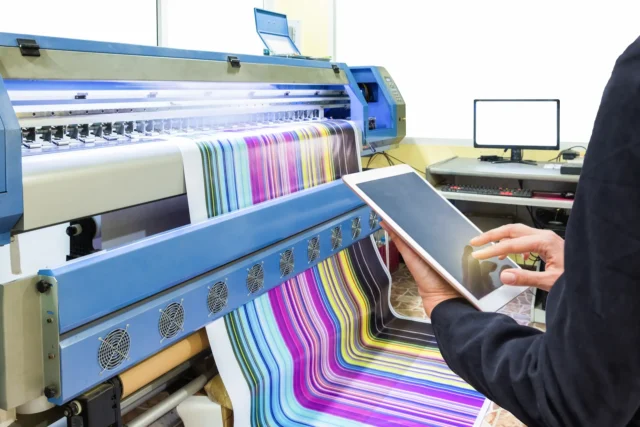
Digital printing is like your desktop printer, but bigger, faster, and way more advanced. It allows brands and packaging manufacturers to print directly onto packaging materials without the need for traditional printing plates or setup processes.
Here’s how it works:
- Direct Printing: Digital print applies ink directly onto packaging surfaces like paper, cardboard, plastic films, or labels. Just imagine a high-tech version of your home printer—but built for mass production.
- Fast and flexible: Unlike traditional printing, digital allows for quick changes. You can easily adjust your designs, colors, text, or images. Perfect for small batches or customized packaging runs.
- No printing plates: Traditional print methods often need special plates or cylinders, making setup expensive and time-consuming. Digital printing skips this step entirely, making it quicker and more cost-effective for shorter runs.
Why choose digital printing?
It’s a game-changer if you’re looking for:
- Customized, personalized packaging:Â Ideal for seasonal products, limited editions, or personalized marketing campaigns.
- Quick turnaround: Need packaging quickly? Digital printing can deliver within short time frames.
- Cost-effective short runs: Digital printing makes smaller quantity packaging affordable and practical.
In short, digital printing offers brands flexibility, speed, and creativity—perfect for today’s fast-moving, personalized market.
Best Used With

- Details
- Examples
Overview
Digital printing revolutionizes packaging production by eliminating traditional plates and enabling direct-from-file printing, making short runs, prototyping, versioning, and mass personalization economically viable for the first time. This technology-driven approach uses electrophotographic (toner-based) or inkjet systems to apply images directly onto substrates, dramatically reducing setup time and costs while enabling variable data printing that personalizes each package with unique text, images, or codes.
The plate-free nature of digital printing transforms the economics of packaging production—brands can now cost-effectively produce hundreds rather than thousands of units, enabling market testing, limited editions, regional variations, and seasonal campaigns without the financial burden of traditional minimum order quantities. The technology’s rapid turnaround capabilities support agile marketing strategies and just-in-time inventory management that reduces waste and storage costs.
Digital printing quality has advanced dramatically, with modern systems delivering resolution and color gamut that rivals offset for many applications. The technology particularly excels for applications requiring variable data—QR codes, serial numbers, personalized messaging, or regional language variations—that would be impossible or prohibitively expensive with traditional methods. As digital systems continue improving speed and substrate compatibility, they’re expanding from specialty applications into mainstream packaging production, democratizing access to premium packaging for emerging brands and small-batch products.
I am a heading
I am a heading
| Column |
|---|


