rigid-box-feature-image
Ultimate Guide

How to Bespoke Paper Packaging for Your Business? Everything You Should Know

There are many options available when customizing packaging boxes for your products. You can select from a wide range of box styles, material types, finishes, and printing options. Custom packaging protects your products during transit, enhances your brand image , and creates an unboxing experience for your customers.

At Witpax, we offer a broad range of box styles, materials, and finishes tailored for a diverse array of industries including cosmetics, electronics, food and beverage, and more. Our packaging options are suitable for both small startups and large established brands. 

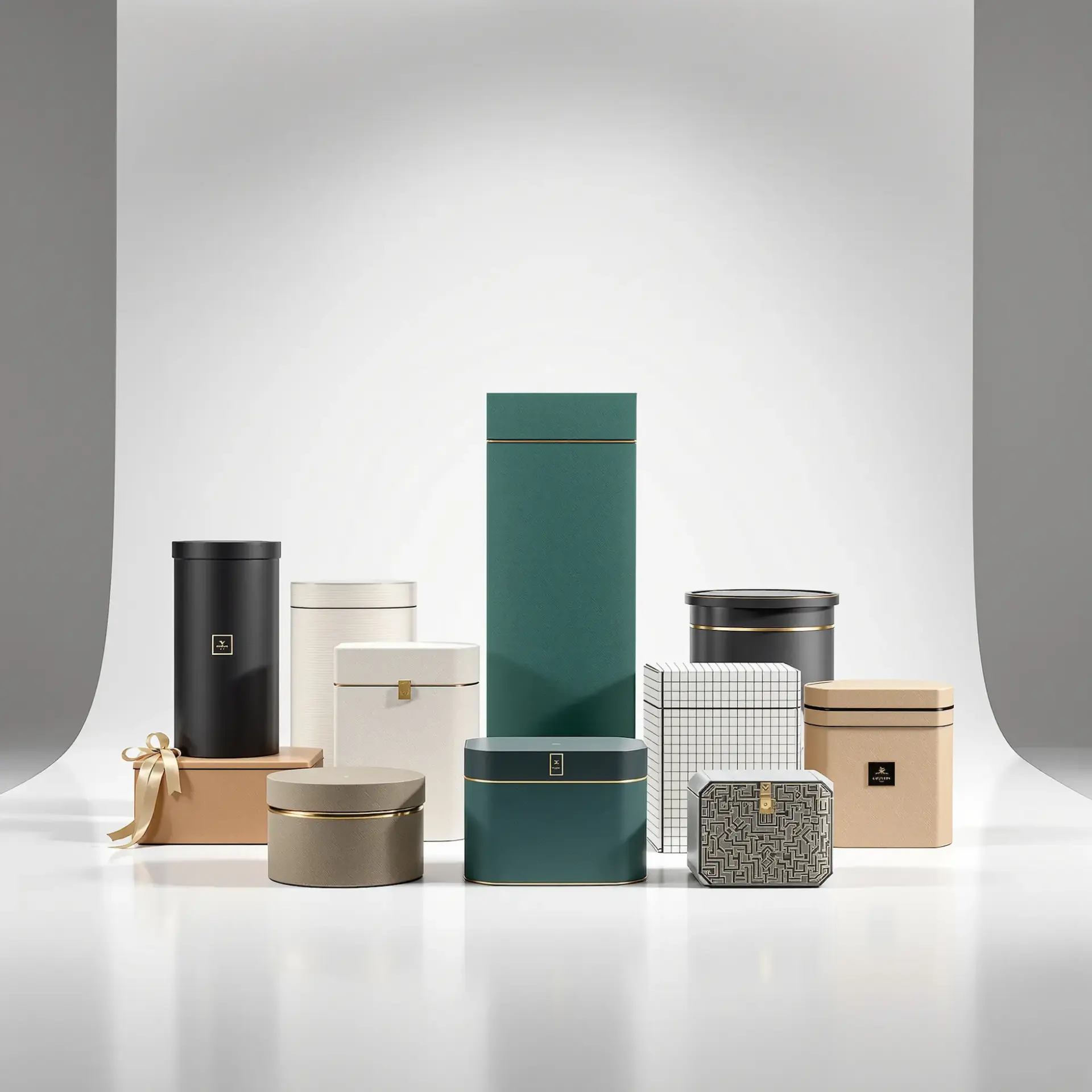
Whether you need rigid, folding cartons, or corrugated boxes, we ensure premium quality and attention to every detail. Popular box styles include mailer boxes, magnetic closure boxes, sleeve boxes, display boxes, and tuck-end cartons. Our material choices range from eco-friendly kraft paper to luxurious rigid board, all available with a wide selection of finishes like matte or glossy lamination, spot UV, embossing, debossing, and foil stamping.

At Witpax, we provide professional packaging solutions for different industries, such as cosmetics, electronics, and e-commerce.
What Are Rigid Boxes?

The rigid box, also known as set-up box, is a type of pre-assembled packaging designed to protect and elevate the perceived value of the product it holds. Rigid box packaging is a type of packaging made from thick paperboard- usually 2-3mm greyboard laminated with decorative wraps. Set-up boxes retain their shape after production.

As rigid boxes use thick greyboards to enhance the weight and sturdiness of the box, rigid boxes feel solid and weighty at hand, giving it a tactile impression of quality. Rigid boxes have wraps covering the greyboard, where brands print customized graphic, add special finishes such as foil stamping, embossing, and matte lamination, providing the box visual appeal. 

A 2023 report by Market Research Future notes that rigid boxes provide an excellent canvas for brand storytelling, allowing companies to showcase their identity and values through design and materials. Rigid boxes are the go to choice for luxury brands, such as Chanel, Dior, and Rolex. 

Rigid boxes use paperboard that is four times thicker than standard folding cartons. This increased thickness requires more raw material per box. Rigid boxes are non-foldable during shipping, which leads to higher shipping and storage costs compared to folding cartons.

Rigid boxes are perfect for brands that want to present their products as high-end, and are not price-sensitive.  

Witpax has a range of rigid boxes styles and customization options, including materials, printing and finishes, to meet brand identity and product needs.

Learn More

What are Folding Cartons?

Folding cartons, or paperboard boxes, are a type of lightweight paperboard packaging designed for standard retail. A folding carton is a foldable box made from paperboard that is printed, die-cut and creased. Folding cartons are shipped flat and folded into shape at the point of use.

The printable paperboard surfaces are easy to print on at high-speed with flexographic printing or offset printing, providing ample space for detailed product information such as barcodes, ingredients and brand graphics. 

Folding cartons are typically made with paperboard in the 250–450 gsm range, which uses less material compared to rigid boxes, making it cost-effective in producing and shipping. This type of cartons are easy to fold and assemble, allowing for flat shipping and on-site assembly after delivery. The streamlined design also enables fast production, making folding cartons a practical choice for high-volume packaging needs.

Folding cartons are widely used in the packaging of all consumer products that need to stand out on retail shelves, such as pharmaceuticals, cosmetics, and food.

What are Corrugated Boxes?

Corrugated boxes, also referred to as shipping boxes or cardboard boxes, are a type of packaging designed for product protection during shipping and storage. A corrugated box is made from corrugated board, or cardboard. A corrugated board has a fluted paper sheet between two linerboards, which absorb shocks and resist impact. 

The fluted core structure traps air, providing excellent cushioning and enhanced strength-to-weight ratio. Vertically oriented flutes offer superior stacking performance, ensuring the protection of products during transit and storage. Corrugated packaging is supplied flat, which minimizes warehouse space and reduces transportation costs. Made from widely recyclable materials, it offers an environmentally responsible packaging option. Standardized designs further enable high-speed case forming and efficient packing processes on automated lines.

Shipping boxes are crucial for both product protection and brand experience for  e-commerce business. Mailer boxes stand out for their sturdy design and premium look. By using cost-effective flexographic printing, brands add logos and patterns, ensuring a memorable first impression when the package arrives at the customer’s door.

Witpax provides a range of corrugated boxes, from standard shipping containers (RSC) to custom-printed e-commerce mailer boxes. A variety of flute sizes and printing methods are available to ensure optimal product protection and effective brand presentation, catering to diverse packaging requirements.

What Are the Three Layers Of Packaging?

Layer of the packaging is a perspective  to customize packaging.  There are usually three layers in packaging: primary, secondary, and tertiary.   Knowing about packaging in layers helps you clarify your needs and choose the right materials, styles, and features for your product. 

Primary packaging: is the layer directly contact with the product. Primary packaging is designed to hold the product, such as liquid in a perfume bottle, or candy in the blister,  and  protect the product from contamination.  Typical examples of primary packaging include bottles, cans, blister packs, and jars. 

Secondary packaging: is the layer  that encases one or several primary packages. Secondary packaging provides branding elements, product information and attracts customers with visual appeal.  Typical secondary packaging includes rigid boxes, folding cartons, and corrugated boxes. Secondary packaging is the most popular layer for packaging customization online.

Tertiary packaging: is the layer that is used for bulk transportation, such as large shipping corrugated boxes, pallets, and shrink wrap. Tertiary packaging protects the products during shipping from shocks and impacts.

What are Packaging Accessories?

Packaging accessories are custom-made components designed to divide the products, enhance the presentation of the product, or deliver brand information. Common packaging accessories are inserts, labels, ribbons, tissue paper, foam inserts, stickers, and sealing tapes. Packaging accessories are custom-designed to fit your product’s characteristics and your brand identity.

Beyond protection, they play a vital role in creating a premium unboxing experience by presenting products professionally and can be customized with specialized printing or luxurious textures. For brands with fragile or multi-part items, such as cosmetics or electronics, packaging accessories are essential for both product safety and memorable presentation.

What Are Box Inserts?

Box inserts, also called dividers or trays, are custom components designed to secure, organize, and display products inside a package. Usually made from paperboard, corrugated cardboard, foam, or molded pulp, inserts are die-cut to fit each product’s unique shape, ensuring snug, protective placement. 

Box inserts serve two main functions: protecting products by keeping them from moving and colliding during shipping, and elevating visual presentation by arranging them neatly for an impressive unboxing. Essential for fragile or high-value items like cosmetics or electronics, well-designed inserts can enhance brand perception, cut return rates, and increase positive social media exposure.

What is a Packaging Label?

A packaging label is a piece of adhesive printed material applied to product packaging to present product information. Common packaging labels include paper labels, plastic labels, shrink sleeves, and in-mold labels. 

Packaging labels provide essential data such as product names, ingredients, usage instructions, barcodes, manufacturer details, and expiration dates, making the packaging comply with local laws and regulation. Brands print logos and customized designs on labels, making them an opportunity for brand presentation.

Buy Packaging Considering Design Intent

Packaging design intent refers to the goal or role of the packaging, such as product protection, unboxing experience, or delivering brand image. There are many different types of packaging design that suit your design intent and comply with different brands, products and channels.

Some of the main types of packaging design include luxury packaging for high-end products; frustration-free packaging for e-commerce business; and minimalist packaging for brands that emphasize simplicity.

What Is Gift Packaging?

Gift packaging is a type of packaging designed for presenting items inside as gifts. Gift packaging tends to be decorative in design, with high-quality rigid boxes, themed printing surface, strong finishes and enhancement elements such as die cut windows, a satin ribbon bow, or a handwriting card.

Packaging of gifts focuses on providing a memorable unboxing experience. This type of packaging typically features ribbons, wraps and seasonal designs. The best gift packaging is the one that captures the spirit of the occasion and creates an unforgettable unboxing experience. 

The best packaging for gifts is the one that lights the spirit of the occasion, such as holidays, birthdays and valentine’s days and can create an unforgettable unboxing experience. The best gift packaging comes with perspectives from box styles, finishes, graphic designs to give the product a value.

A rigid magnetic closure box with Christmas-themed printing, a gloss finish, foil-stamped wishes and accessories like festive tissue paper and a personalized holiday card is the best gift packaging for Christmas gift.

What Is Minimalist Packaging?

Minimalist packaging is a category of packaging designed to be clean, simple, and authentic. Packaging with a minimalist aesthetic tends to be more restrained in design, featuring clean typography, a limited color palette, generous use of negative space, and a focus on only the most essential information. The types of packaging that are typically considered minimalist include printed mailer boxes, folding cartons with simple graphics, and unadorned product labels.

The best packaging for a brand is one that communicates its message clearly and confidently, allowing the quality of the product to speak for itself. The best packaging is also the one that uses materials efficiently and reduces visual noise for the consumer. Minimalist packaging can utilize a range of sustainable materials, including recycled corrugated cardboard or FSC-certified paper, and subtle finishes like debossing or a matte varnish, depending on the brand’s goals.

Witpax has a range of sustainable solutions for all brands, including options for minimalist packaging. The Essential is a corrugated mailer box that provides excellent protection while maintaining a simple and modern aesthetic. Simple and sustainable, our Essential line can be customized with one-color printing, with quotes available upon request.

What is Frustration-Free Packaging?

Frustration-free packaging, or FFP is a type of packaging that is designed for easy opening by consumers and is typically made from 100% recyclable materials. Packaging designed with frustration-free principles eliminates excessive materials, sharp plastic clamshells, and heavy-duty twist ties. The primary goal of  FFP is to make the unboxing process easy. Common design features of frustration-free packaging include tear strips, perforated openings, and clear instructions. 

FFP uses recyclable or biodegradable materials to minimize environmental impact. Frustration-free packaging streamlines logistics by occupying less space and reducing shipping costs. Examples of frustration-free packaging include corrugated mailer boxes with easy-open tabs, folding cartons with tab locks, and recyclable padded envelopes designed for swift access.

Frustration-free packaging solutions are a good choice for brands that care about customer experience, reduce environmental footprint and get promoted traffic from Amazon FFP program . 

Witpax offers frustration-free packaging options for all industries. Our QuickOpen mailer is a corrugated box featuring a tear-strip opening and fully recyclable construction. Customized printing and size adjustments are available to meet any brand’s specific needs.

What Are Box Styles In Packaging?

Box styles refer to the physical design and structure of a box, including how it opens, closes, folds, and holds its contents. The box style affects protection, ease of use, appearance, and cost of packaging.

Boxes styles are categories by 3 box type folding cartons, corrugated boxes, and rigid boxes as below:

  1. Folding carton: made from lightweight paperboard and ideal for retail product shelves. Common styles include the RTE, STE and TTAB.
  2. Corrugated boxes:Engineered for strength and used for shipping and e-commerce. Popular styles range from the standard Regular Slotted Container (RSC) for transit to the presentation-style Mailer Box for unboxing experiences.
  3. Rigid boxes: crafted from thick greyboard for a premium, luxury feel. Common styles include Lid and Base, Shoulder Box, and Drawer Style.

What is a Tuck end box?

Tuck End boxes are the most widely used type of folding carton. A tuck end box is a folding carton designed with flaps that are folded inward and tucked into the box, ensuring a secure closure without using glue or adhesives. Tuck end boxes allow for assembly by hand and automated production, which increase the production efficiency. A tuck end box ships flat to help businesses cut down on storage and shipping costs.

There are two primary styles of tuck end boxes:Straight Tuck End (STE) Box, and Reverse Tuck End (RTE) Box. The STE features tuck flaps fold from the same side, creating a seamless front panel for brand presentation and information. The RTE features flaps that fold in from opposite sides. RTE is made from a single paperboard, which reduces the material waste, so it is a more economical choice.

What Is Tuck Top Auto-Bottom (Crash Bottom)?

A Tuck Top Auto-Bottom box is a fast-assembling type of folding carton that combines a tuck-in top closure with a pre-glued, crash-lock (auto-lock) bottom mechanism. Unlike standard straight tuck end boxes that require manual folding at both ends, a Tuck Top Auto-Bottom box features a pre-glued crash-lock bottom that automatically forms a strong base. Crash bottom boxes are an ideal packaging option for quick packaging and heavy products.

What Is a Lid and Base Box (Telescoping Box)?

The Lid and Base, or telescoping box, is a classic type of rigid boxes for luxury packaging that delivers an elegant perception. A lid and base box has two components: a lid that covers the base and a base that holds the product. The two piece structure provides a subtle smooth and slow opening experience when customers reveal the product.

What Is a Neck Box (or Shoulder Box)?

A neck box, or shoulder box, is a type of rigid box designed with an extended “neck” between the lid and base.You can instantly recognize the neck box for the neck portion protruding above the base and below the lid.The raised neck structure provides protection for delicate items including watches, jewelry, or wine, by securing them away from the box edges. 

Neck boxes are ideal for high-value retail products and special gift packaging. Their refined appearance suits formal occasions, product launches, and collectible releases, making them a favorite for brands seeking to leave a memorable impression.

What Is a Drawer Box (or Slipcase)?

A drawer box, also known as a slipcase or matchbox-style box, is a type of rigid box that has a sliding design. The drawer- style delivers an interactive unboxing experience. 

A drawer box consists of two main parts: an outer sleeve (the case) and an inner tray (the drawer) that smoothly slides in and out. Like other rigid box styles, a drawer box is made of greyboard and can be customized with textured paper, finishes, and printing. 

Typical drawer boxes feature designs including a ribbon, thumb notch, or pull tab for easy opening. Drawer boxes are widely used for packaging jewelry, electronics, cosmetics, and luxury chocolates.Their convenient slide-out format is especially suited for retail gift sets and limited-edition releases.

What Is a Regular Slotted Container (RSC)?

A regular slotted container,  or RSC is the most widely used type of corrugated shipping box. An RSC is made from one sheet of corrugated cardboard. All flaps on the top and bottom are of equal length and meet at the center when closed. The outer flaps are twice as wide as the box depth, and the box is secured with tape or adhesives.

The RSC design maximizes material efficiency and provides reliable protection for a wide range of products. Its four flaps create strong, double-layered closures that reinforce the edges, helping to absorb impacts during shipping and stacking. The standardized structure streamlines packing and storage, reducing material waste and labor time. Regular slotted containers are used across industries for shipping, warehousing, and retail packaging of consumer goods, electronics, food products, and industrial parts.

What Is a Mailer Box (Roll End Tuck Front - RETF)?

Mailer boxes, or roll end tuck front boxes, are a presentation-style shipping solution that enhance unboxing experience, delivery brand elements while providing sturdy, self-locking protection.

Mailer boxes are die-cut, self-locking corrugated boxes designed for secure shipping and attractive product presentation. Featuring interlocking flaps and dust flaps, mailer boxes require no external adhesive for assembly and provide structural integrity for transit. Their flat surfaces allow for high-quality, full-color printing, making them suitable for customized branding and graphics.

Mailer boxes have become increasingly popular in e-commerce due to their durable construction, lightweight design, and excellent branding potential.

What Are The Finishes for Packaging?

Finishes are treatment or coating applied to the packaging material, such as paperboard, decorative wrap of rigid boxes, and cardboard. Some of these finishes, such as lamination and varnish are applied fully over the surface of the packaging to protect packaging from moisture and scuffs.  Some finishes, such as foil stamping, embossing and spot uv highlight the design elements, provide a tactile and visual quality of the packaging.

The price of packaging finishes depends on the type. Basic options, like uncoated surfaces or standard varnish, tend to the lowest price. Prices increase with specialty finishes and additional features, including spot UV, foil stamping, and embossing. Premium finishes—such as soft-touch lamination and velvet flocking are at a higher price point.

Common types of packaging finishes include gloss and matte lamination, soft-touch lamination, flood or spot UV coating, gloss/matte/satin varnish, foil stamping, embossing, debossing.

What Is lamination?

Lamination in packaging is the most common type of finish that applies a thin film over the full surface to protect the paper material and enhance the perceived quality.

Paper materials such as paperboard, and card board are easily damaged by water and scratches. A laminated finish is designed to shield the underlying ink and paper from common hazards such as moisture, scuffs, and fingerprints. 

Different types of Lamination provide different appearance and tactile feels. Gloss lamination provides a shiny, reflective look, matte lamination offers a smooth, non-glossy finish, and soft-touch lamination, which is the most expensive option, gives the surface a luxurious, velvety feel.

What Is Varnish?

Varnish is a clear, protective coating applied to printed packaging that enhances visual appeal and protects the packaging surface from scratches, moisture, and general wear. Varnish finishes provide a layer of shield, but it is thinner and less robust than lamination. 

Varnish is a sustainable alternative to lamination.

What is Foil Stamping?

Foil stamping is a premium printing technique where a thin layer of metallic or pigmented foil is pressed onto packaging materials using heat and pressure, creating eye-catching, shiny designs or text. This process adds a luxurious, tactile element that enhances your brand’s visual appeal and sets your products apart on the shelf. Foil stamping is also an environmentally friendly decoration choice, as it uses minimal material, making it perfect for business owners seeking high-impact, sustainable packaging solutions.

What is Embossing & Debossing?

Embossing & debossing are specialized printing techniques that create raised (embossed) or recessed (debossed) designs on packaging, adding a unique texture and a sense of luxury to your products. These methods not only enhance the visual appeal but also offer a tactile, memorable unboxing experience that highlights your brand’s quality and attention to detail. Embossing and debossing use minimal materials, making them effective and sustainable options for business owners looking to elevate their packaging in an environmentally responsible way.

What is Spot UV?

Spot UV is a high-impact printing technique where a glossy, clear coating is selectively applied to specific areas of your packaging—such as logos or images—to make them stand out with vibrant shine and sharp contrast. This eye-catching finish not only draws customer attention but also provides added durability and protection to those highlighted sections. Spot UV uses minimal extra material, making it a cost-effective and sustainable choice for business owners who want to create memorable, premium packaging.

What is Die-Cutting and window patching?

Die-cutting and window patching are processes used to create custom shapes and clear viewing windows in packaging. Die-cutting uses a precision metal die to cut, score, or crease packaging material including paperboard or corrugated cardboard. This die-cutting process can create distinctive forms, handles, or locking tabs on a box, elevating both functionality and shelf appeal. 

Window patching adheres a transparent film (typically PET or PVC) over a die-cut opening, creating a see-through window. This transparent window displays the product and protects it.

What is Velvet Flocking?

Velvet flocking is a premium packaging technique that adds a soft, luxurious, velvety texture to selected areas of your product packaging, instantly elevating its look and feel. This rich, tactile finish makes your products stand out on the shelf, enhances perceived value, and creates a memorable unboxing experience—helping business owners impress customers and strengthen brand loyalty.

What Are Printing Methods for Packaging?

Printing methods are techniques used to transfer designs, logos, and product information onto packaging materials such as paperboard, decorative wraps for rigid boxes, and cardboard. Some methods, like offset and digital printing, cover the entire surface with precise, vibrant colors ideal for branding and visuals. Others—such as screen printing or letterpress—can be used selectively for special effects or smaller production runs, adding unique textures or finishes to highlight your product.

The cost of packaging printing varies by method. Basic options like flexography are cost-effective for large volumes, while digital printing offers economical solutions for short runs or frequent design changes. Prices increase with specialized techniques and advanced effects, such as metallic inks or spot color matching, which deliver enhanced quality and customization. Premium printing methods like gravure or combination printing with specialty finishes command a higher price point, but provide exceptional detail and impact.

Common types of packaging printing methods include digital printing, offset lithography, flexography, gravure printing, screen printing, and letterpress.

What is Digital Printing In Packaging?

Digital printing in packaging is a modern printing method where digital files are used to directly print designs, graphics, or text onto packaging materials.  This type of printing reduces setup time and costs, making it ideal for short runs, custom projects, and fast turnarounds. 

Digital printing is perfect for business cards, marketing materials, packaging, personalized gifts, and prototypes.

What is Offset Printing In Packaging?

Offset printing, also known as offset lithography, is a premium commercial printing technique that produces packaging materials with detailed graphics and vibrant color. Offset printing delivers consistently sharp images, precise brand colors, and fine details across large production runs. 

Offset packaging is ideal for retail packaging in sectors like cosmetics, food, electronics, and luxury products.

What is Flexographic Printing In Packaging?

Flexographic printing, or “flexo,” is a high-speed, versatile printing process that can print vibrant graphics on a range of flexible materials. 

Flexo printing uses flexible relief plates made of rubber or photopolymer, to transfer fast-drying, liquid inks onto substrates like cardboard, plastic films, metallic foils, or paper. The flexo printing machines can handle continuous rolls and print large quantities at high speed. This type of printing technique is perfect for the long run.

Flexographic printing is essential in everyday packaging—from food wrappers, labels, and cartons to shopping bags and corrugated boxes.

What are CMYK and Pantone Color In Packaging?

CMYK and Pantone are two color systems used in packaging. CMYK blends four inks including cyan, magenta, yellow, and black for full-color printing. CMYK layers tiny dots of the four basic colors to produce a broad palette. CMYK is typically used for packaging with complex images, gradients, or large graphics, such as folding cartons, brochures, or retail displays.

Pantone, or the Pantone Matching System (PMS), or spot color, uses special pre-mixed inks for unique colors. Each pantone color has a unique code, making sure a consistent color for every printing runs. Pantone is best for logos and brand elements that match exact brand colors.

How to Choose the Right Packaging Solution for Your Industry?

At Witpax, choosing the right packaging solution for your industry is easy. Our packaging experts provide advice and guidance on what the best box type, styles, materials, and finishes for your product protection, brand identity, unboxing experience, visual appeal, and sustainability. Below are the key factors to consider for the best and correct packaging solution for your business.

Product Protection: The primary purpose of a packaging is to protect the product. Depending on your product’s weight, fragility, or sensitivity, you can choose among corrugated boxes, folding cartons, or rigid boxes. For sensitive electronics, you can add pulp models.

Brand Identity: How you want your customers to perceive your brands can influence packaging customization such as materials selection, design style and finishes choice. For example, if you want to build an eco-conscious brand identity, you should opt for sustainable packaging materials and minimalist packaging design and debossing logos.

Unboxing experience: A well-planned unboxing journey can elevate customer satisfaction. Elements like custom inserts, magnetic closures, or personalized touches showcase thoughtfulness and enhance user experience.

What are Packaging Solutions for Electronics?

Packaging solutions for electronics are a type of packaging designed to enclose, transport, and display electronic devices and components.

A piece of electronic equipment is characterised by its fragility, its susceptibility to static charges, and its high value. The packaging systems that are the best fit for electronics are ones that help to cushion against physical shocks during transit, and ones that shield against electrostatic discharge to protect internal components.

Common packaging solutions for electronics include using anti-static materials (such as anti-static bags and foam), and custom foam or pulp trays for shock protection. Popular finishes are like matte lamination, UV coating, and foil stamping. Box styles are rigid two-piece boxes, folding cartons, and blister packs.

What are Packaging Solutions for E-commerce?

Packaging solutions for E-commerce are a type of packaging designed to deliver products purchased online to customers. Unlike traditional retail packaging, which focuses on shelf appeal, e-commerce packaging emphasizes protection during shipping and brand presentation during unboxing experience. 

The packaging systems that are the best fit for e-commerce are ones that help to ensure secure delivery with durable materials, and ones that enhance unboxing experiences with customizable, brand-focused designs.  

A common packaging solution for ecommerce is a mailer corrugated boxes with custom inserts for protection. Popular finishes include matte lamination or printed branding. Packaging styles often include mailer boxes, poly mailers, and padded envelopes.

What are Packaging Solutions for Cosmetics?

Packaging solutions for cosmetics are packaging systems and materials designed for cosmetic products. Common packaging for cosmetics uses glass bottles for lightweight protection, rigid boxes for premium presentation, custom finishes such as matte or glossy lamination, advanced printing techniques like metallic foil stamping, and functional design with secure closures and custom inserts.

A cosmetic product is characterized by its delicate formulations, its need for hygiene preservation, and its emphasis on aesthetic appeal. The features of a cosmetic product make it both sensitive and visually-driven. The packaging systems that are the best fit for cosmetic products are ones that help to protect the product from external contamination, and ones that elevate the user experience through elegant and functional design.

What Are Packaging Solutions for Food?

Packaging solutions for food are packaging systems and materials designed to contain, protect, and preserve food products for storage, transport, and consumption.Food packaging ensures safety, preserves freshness, and maintains the sensory appeal of food products.

The best packaging solutions use materials that are safe for direct food contact and are designed to preserve freshness, prevent contamination, and comply with all safety regulations. Food-grade certification from authorities like the FDA is essential. 

A food product is characterised by its perishability, its sensitivity to contamination and environmental factors like moisture and oxygen, and its strong reliance on sensory appeal to attract consumers. The features of a food product make it both sensitive and perishable. 

Witpax offers a range of food packaging solutions, including certified food-safe pouches, biodegradable trays, custom-printed cartons,

What are packaging solutions for retail products?

Packaging solutions for food are packaging systems and materials designed to contain, protect, and preserve food products for storage, transport, and consumption.Food packaging ensures safety, preserves freshness, and maintains the sensory appeal of food products.

The best packaging solutions use materials that are safe for direct food contact and are designed to preserve freshness, prevent contamination, and comply with all safety regulations. Food-grade certification from authorities like the FDA is essential. 

A food product is characterised by its perishability, its sensitivity to contamination and environmental factors like moisture and oxygen, and its strong reliance on sensory appeal to attract consumers. The features of a food product make it both sensitive and perishable. 

Witpax offers a range of food packaging solutions, including certified food-safe pouches, biodegradable trays, custom-printed cartons,

How to Custom Packaging for Sustainability?

Sustainability is a main factor when customizing packaging, as sustainable goals determine the choice of packaging material, the design of structure and the finish selection. Sustainable packaging is a trend promoted by both customers’s choices and government regulations. According to a report from McKinsey & Company, 39% of respondents globally ranked environmental impact as ‘extremely or very important,’ an increase from just 20% in 2020. This data demonstrates a sharp rise in the value placed on sustainability in packaging decisions. 

At witpax, customizing sustainable packaging is a few simple steps: choose the sustainable packaging material, use the right sustainable structure design, and opt for eco-friendly printing and finish.

What are Sustainable Packaging Materials?

Sustainable packaging materials are designed to be less harmful to the natural environment. Choosing sustainable packaging materials is a crucial step in creating eco- friendly packaging. Below are common types of sustainable materials:

Recycled paper fiber: A popular, eco-friendly packaging choice. Recycled paper fiber is made by reclaiming fibers from post-consumer or post-industrial waste paper and processing them into new packaging products. Common examples include corrugated shipping boxes, folding cartons, and shopping bags.

Certified Virgin Fiber Certified virgin fiber is ideal for brands needing packaging with superior strength, appearance, and traceable sourcing. It is made from new paper fibers sourced directly from responsibly managed forests, certified by organizations such as FSC or PEFC. Typical examples include luxury retail boxes, specialty food packaging, and premium gift boxes.

What Is FSC-materials?

Leading standard for responsible sustainable paper materials sourcing. Packaging materials with FSC certification means they come from forests responsibly managed by Forest Stewardship Council.

Common uses include FSC-certified paper bags, folding cartons, and printed sleeves. By choosing FSC materials, your business offers verifiable sustainability claims, earns consumer trust, and supports forest preservation. For example, a cosmetics brand might specify FSC-certified paper for their folding cartons, sending a clear message of social responsibility to customers and meeting retailer or regulatory requirements for eco-friendly packaging.

What Are Plant-Based Materials?

Plant-based materials are innovative, renewable alternatives for businesses looking to move beyond traditional plastics. Manufactured from crops and renewable resources like corn, sugarcane, bamboo, or even seaweed, these materials are quickly gaining traction. Examples include cornstarch mailer bags, sugarcane pulp trays, and bamboo fiber food containers.

What Is Biodegradable/Compostable Materials

Biodegradable and compostable materials are the go-to option for business owners pursuing zero-waste packaging solutions. These are designed to break down safely and efficiently in natural environments or composting facilities without leaving toxic residue. Examples include compostable mailers, bioplastic cups, and packaging inserts made from mushroom mycelium.

What Are Eco-Friendly Inks & Coatings ?

Eco-friendly inks and coatings are printing and finishing materials designed to minimize environmental impact by using renewable, less toxic, or lower-emission ingredients compared to conventional options. Unlike standard petroleum-based inks and coatings, eco-friendly versions often rely on plant-based oils, water, or natural resins that reduce harmful VOC (volatile organic compound) emissions and promote safer handling and disposal.

Examples of eco-friendly inks include soy-based ink, water-based ink, and vegetable-based ink. For coatings, common eco-friendly choices are water-based varnishes and UV coatings free from toxic chemicals. By switching to these alternatives, your business can lower its carbon footprint, improve indoor air quality, and appeal to eco-conscious customers seeking greener packaging and printed products.

What Are Eco-friendly Packaging Designs Strategies?

Eco-friendly packaging design strategies are approaches to designing packaging that minimize negative environmental impact throughout a product’s lifecycle. Below are three common design strategies for eco-friendly packaging:

Right-sizing packaging: A design that creates packaging to fit the product as closely as possible. Packaging with Right sizing design reduces the materials used in production. This type of packaging also reduces the use of filler materials, such as air pillow,  tray, or foams as the packaging is designed according to the exact dimension.

Mono-Materials packaging: A design strategy that uses only one type of material (such as only paper, cardboard, or a single plastic) to construct the entire packaging. Mono-material packaging simplifies the recycling process because it eliminates the need to separate different materials. This approach not only improves recyclability but also reduces the complexity and energy required for waste processing.

The “Keepsake” Box: A packaging design that encourages reuse by giving the box a second life after its original purpose. The “Keepsake” box is often aesthetically pleasing and durable, allowing consumers to repurpose it for storage or decorative use. This extends the lifecycle of the packaging and reduces waste generation, as the box remains useful beyond the initial purchase.

How To Custom Packaging Online?

At WITPAX, creating custom packaging online is straightforward, as you can browse our extensive catalog of styles, design your packaging in a 3D studio, and get it shipped directly to your business. Our platform allows you to design and purchase completely custom packaging online, delivered right to your doorstep. The steps to creating custom packaging online at WITPAX are to select the right style for your product, design your branding and unboxing experience, and finally, finalize and purchase your order. The 3 steps to buying custom packaging online are listed below.

  1. Select Your Style: At WITPAX, we have hundreds of packaging styles for you to start with. You can browse by industry, like e-commerce or cosmetics, or by box type, such as mailer boxes, shipping cartons, and product boxes. You can filter by material, size, strength, and color. We have a packaging solution for every product and every brand. Find the perfect box that protects your product and fits your budget, brand identity, and customer experience goals.
  2. Provide Your Packaging Dimensions: Our expert will provide the dieline according to your dimensions within 24 hours.
  3. Design Your Brand: This is where your brand comes to life. If you have brand design such as logo and brand graphics, you can send the file to us. We’ll place them onto your dieline as you wish and create a 3D prototype for your review and adjustments.
  4. Finishes and accessories: You can also choose from various finishes and accessories to further personalize your packaging, such as matte/gloss laminations, embossing, foil stamping, and inserts. 
  5. Prototyping: If required, we can produce a physical prototype for inspection before full production within 7 days.

Finalize Your Order: Once your design is approved in a proof, it’s time to purchase your packaging. For online orders, you can get an instant quote that updates automatically as you adjust quantity and features. Once you have paid, you will receive an invoice and your order will move into the production queue.

How to Get the Dimensions (L×W×H) for packaging?

Getting the right dimensions is a fundamental step in packaging structural design. Dimensions are length, width, and height of a box. Your products will fit perfectly with the packaging if only you provide the correct measurements. 

The results of accurate measurements enable your packaging provider to create a dieline and prototype that is tailored to your specific product, which varies with its size, shape, and fragility. Getting the dimensions right is necessary to ensure the final custom box functions correctly and protects your goods from the factory all the way to your customer.

The first step of getting your dimensions is to follow the Golden Rule of Measurement: always measure the INTERNAL space of the box you need. Next, you will measure the product or the internal space required using the universal formula: Length × Width × Height (L×W×H).

  • Length (L): The longest side of the box’s opening when looking down from above.
  • Width (W): The shorter side of the box’s opening.
  • Height (H): The depth of the box, from the bottom to the top.

Finally, a crucial part of the process is adding “tolerance” or clearance—typically an extra 3mm (or 1/8 inch) to each measurement. This ensures your product can be inserted and removed easily and provides space for any accessories like inserts.

You can easily submit your dimensions online to our team at WitPax to get a fast and accurate quote. The dimension process at WitPax is a simple way to start your custom packaging journey, and with our free dieline templates and expert consultation, you can be confident that you are preventing costly measurement errors from the very beginning.

What Elements of My Packaging Can I Customize?

Packaging will almost always need to be customized for a business’s unique product and brand. The main customization beyond the box style is the visual design. Your brand guidelines determine the colors, logos, and patterns used to create a memorable unboxing experience. 

The main types of printing are digital and offset, affecting color vibrancy and cost at different volumes. Some other customizations include premium finishes, which are for brands wanting a luxury feel. There are also different add-ons a person can add, like custom inserts to hold products securely or special finishes like embossing or foil stamping. 

If a person is customizing a shipping box, they can choose the material strength (ECT rating) or the color of the cardboard, such as classic kraft, white. There are also structural customizations that can be made for a completely unique shape, though this often requires a custom quote from our packaging engineers.

Another customization of packaging includes inserts. Custom-cut cardboard or foam inserts can be designed to fit your products perfectly, preventing them from moving during shipping and presenting them beautifully when the box is opened.

What are the Pricing & Prototyping Options?

At WITPAX, there is a wide range of pricing and prototyping options for your packaging. For the purchase of your boxes, our customers can see prices update in real-time on our website to control their budget. The price per unit typically decreases significantly as the order quantity increases. At WITPAX, our instant quoting tool gives you full transparency on costs for different materials, finishes, and quantities.

We also provide affordable single-unit samples for prototyping. This allows you to test your design with your actual product before placing a large volume order, with no major out-of-pocket expense. This ensures your final packaging is perfect for your needs, minimizing risk and guaranteeing satisfaction.

What are brands for packaging online?

Witpax is a leading provider of custom online packaging solutions, serving businesses nationwide with a state-of-the-art customization platform. We offer a diverse selection of both on-trend and classic packaging options, designed to enhance any product and make a lasting impression.

Our packaging is both affordable and high-quality, available in a wide array of styles, materials, and premium finishes. With user-friendly design tools and expert guidance from our dedicated U.S.-based support team, we ensure every customer enjoys a seamless experience from design to delivery.

What sets Witpax apart is the expertise of our skilled craftsmen, who handcraft every premium box to ensure exceptional quality and a truly distinctive finish. Every package is custom-made, precision-cut, and hand-inspected at our facilities to guarantee exceptional results.

We’re committed to your satisfaction, backed by our 100% quality guarantee. If any issues arise, our support team is ready to assist—whether you need help with your design, print files, or packaging structure. Learn more about the Witpax Quality Guarantee to see how we stand behind every box we make.

What Are Advantages of Witpax Packaging

Affordability: Witpax provides premium custom packaging at direct-from-the-source prices, backed by instant, transparent online quotes with no hidden fees.

Design Tools & Ease of Use:Create and visualize your packaging in real time with an intuitive 3D online design studio. Easy uploads, customized colors, and precise dieline templates make designing simple for everyone.

Quality & Materials:Witpax offers a wide range of durable, high-quality materials—including various paperboard and corrugated options—with premium finishes like Spot UV, soft-touch matte, and foil stamping for a professional look.

Prototyping & Low MOQs:Order a printed box sample to test your design before full production. With minimum orders starting at just 500 units, custom packaging is accessible for both startups and established brands.

Customer Support: Witpax packaging experts who guide you through box selection, artwork review, and the entire ordering process for a smooth, confident experience.

What is our average shipment duration?

Our average shipment duration is [X] business days after final artwork approval and payment. Shipping times may vary depending on your location and the specifics of your order. For most orders within the United States, you can typically expect delivery within [X–Y] business days. For more precise estimates, please refer to your order confirmation or contact our support team.

What is our refund policy?

We are committed to your satisfaction and stand behind our products with a 100% satisfaction guarantee. If you receive packaging that is damaged, defective, or does not match your approved specifications, please contact our support team within 7 days of receiving your order. We will review your case and, if eligible, offer a replacement or a full refund according to our Witpax Quality Guarantee.

What Are Factors For Packaging Price?

There are several factors that determine the price of custom packaging. Some of these include the type and size of the box, materials used, order quantity, printing options, custom finishes, and branding requirements. The type of packaging you choose—whether it’s a standard mailer, product box, or shipping carton—can impact the overall price. Standard-sized boxes are typically more cost-effective, while custom shapes or unique structural designs may increase production costs.

Materials play a significant role in packaging pricing. Options like corrugated cardboard, rigid board, and specialty papers each come with different price points based on their durability and finish. If you choose premium materials or require eco-friendly packaging, this can also contribute to the overall cost.

Printing and finishing options can further influence price. Simple one- or two-color printing will generally be more affordable, while full-color printing, specialty finishes like foil stamping, spot UV, or embossing will be priced higher due to the added manufacturing steps and materials involved. At Witpax, we offer vibrant full-color printing and a wide range of finishes to help your packaging stand out.

Order quantity is another important factor. Ordering larger quantities often reduces the unit price due to economies of scale, whereas smaller or one-off runs may cost more per box.

Branding needs and custom requirements, such as unique die-cuts, inserts, or complex structural features, can also impact the cost. Shipping location is another consideration; delivering packaging to more remote locations or choosing rush shipping options can add to the overall price.

At Witpax, our online instant quoting tool reflects all these factors, helping you find options that fit both your vision and your budget. No matter what choices you make, our team is here to guide you every step of the way to ensure you receive high-quality packaging at a competitive price.

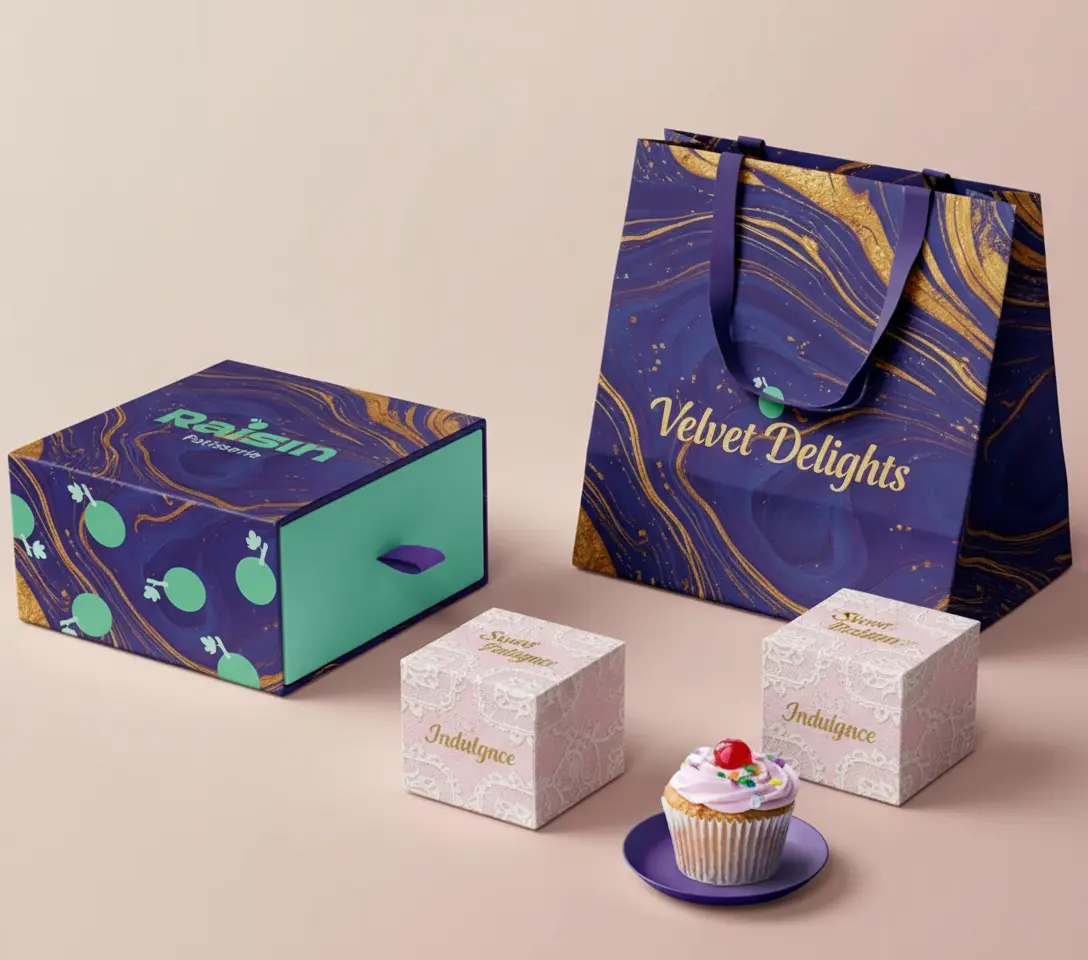
A coordinated patisserie packaging set including a blue and gold marble gift bag, a slide box, and small pink cupcake boxes.

Get Your Custom Quote

Have a design ready or just an idea? Tell us about your project. Our team will get in touch to discuss the details and guide you from concept to delivery.

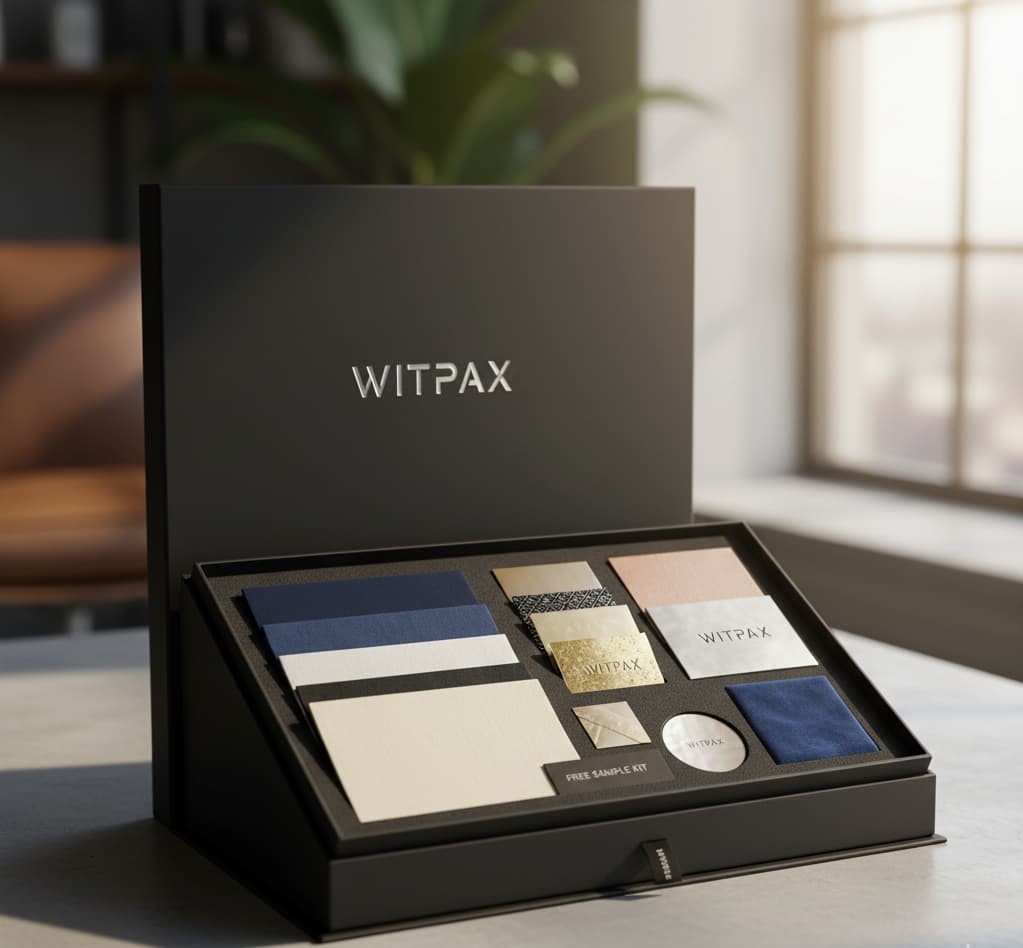
witpax free sample kit

Request Your Free WITPAX Sample Kit

Experience WITPAX quality before you buy. Get our complete material and finish sample kit sent directly to your office. For qualified B2B clients.